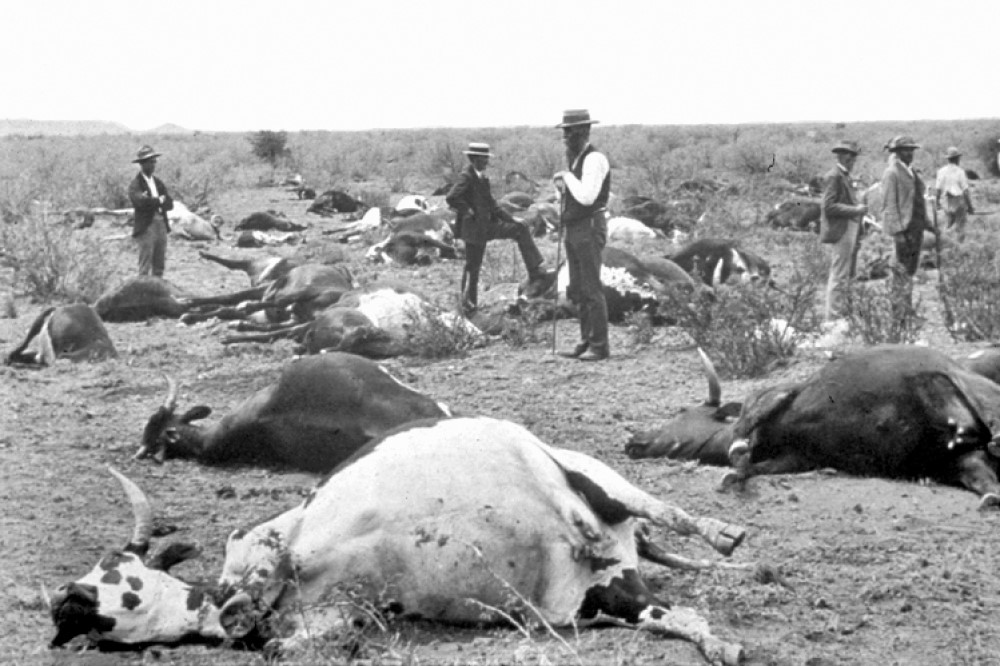
the largest stock of the rinderpest virus was destroyed at the Pirbright Institute
On Jun. 14, 2019, the Pirbright Institute announced that it had destroyed the last samples of rinderpest virus held in the World Reference Laboratory for rinderpest. This completed a major milestone in the World Organisation for Animal Health (OIE) and Food and Agriculture Organization of the United Nations (FAO) programme to eradicate the virus.
Rinderpest virus caused the most lethal cattle disease ever known but after a huge global campaign, in which Pirbright played an essential role, it officially became the second disease to be eradicated, after smallpox, in 2011. However, at the time, more than 40 laboratories across 36 countries still held samples of rinderpest, making the world still vulnerable to a reoccurrence of the disease.
In a bid to protect the world from this devastating virus FAO and OIE designated some high containment laboratories Rinderpest Holding Facilities (RHF); including Pirbright to hold virus stocks, and encouraged other laboratories to send their rinderpest samples to these designated holding facilities.
Samples were sequenced and destroyed in The BBSRC National Virology Centre: The Plowright Building, the UK’s flagship high containment facility for livestock diseases that houses the latest genetic sequencing capability. The building is named after Walter Plowright, who developed the rinderpest vaccine that was used to eradicate the disease. “It is very appropriate this is where the stocks of rinderpest virus are destroyed”, said Dr Bryan Charleston, Director of The Pirbright Institute.
The destruction of the last archived virus stocks held by Pirbright is a highly significant step in securing global freedom from rinderpest, which is imperative considering the FAO estimates that its eradication has avoided losses of 920 million USD every year in Africa alone.
Tags:
Source: The Pirbright Institute
Credit: Photo: Courtesy Wikipedia.