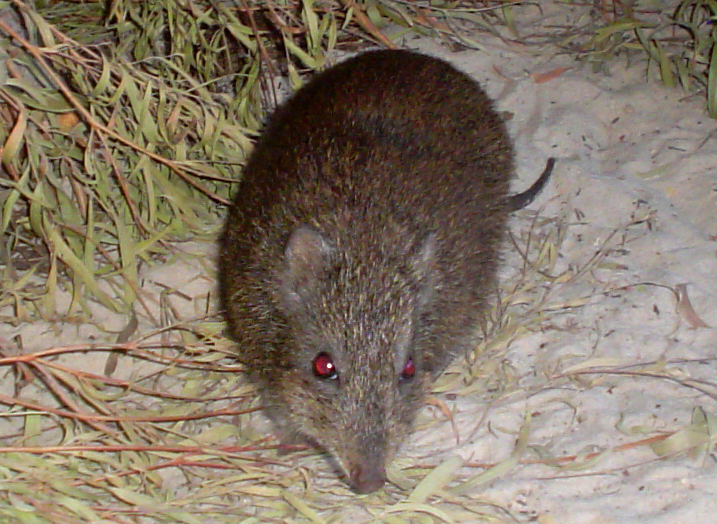
study Uses DNA from Scat to help conserve the world’s rarest marsupial
On Dec. 9, 2025, research from Edith Cowan University (ECU) published in Springer Nature use co-existing mycophagous mammals as indicators of potentially available fungal food resources, and could help to protect the world’s rarest marsupial. The critically endangered Gilbert’s potoroo, which is native to Western Australia, has less than 150 individuals remaining in the wild.
“We are looking to recover the species through translocations, which is moving organisms from one location to another to create an insurance population in case anything was to happen in their existing populations,” School of Science PhD student Rebecca Quah explains. Ms. Quah said environmental DNA (eDNA) metabarcoding techniques were applied to scat (faeces) samples, a technique that is increasingly being used for dietary studies in wildlife.
Researchers from ECU along with the Department of Biodiversity, Conservation and Attractions (DBCA) have been working together to better understand their diet, in a bid to ensure their population. This research focused on whether the diets of more common fungi-eating mammals overlapped with the Gilbert’s potoroo, on the basis that these mammals historically co-existed. Once thought to be extinct, several methods to boost numbers of Gilbert’s potoroos have been attempted since they were rediscovered in 1994.
DBCA Research Associate Dr Tony Friend said with the critically endangered population scattered across four sites, two of which are islands off the Western Australian coast, researchers are hoping to find another mainland site for a translocation.
“The search for new translocation sites is an important next step in the recovery of Gilbert’s potoroo from near extinction. This publication shows that examining the fungal diet of mammals that occur with the potoroo can help in deciding where to establish new populations,” Dr Friend said.
Tags:
Source: Edith Cowan University
Credit: