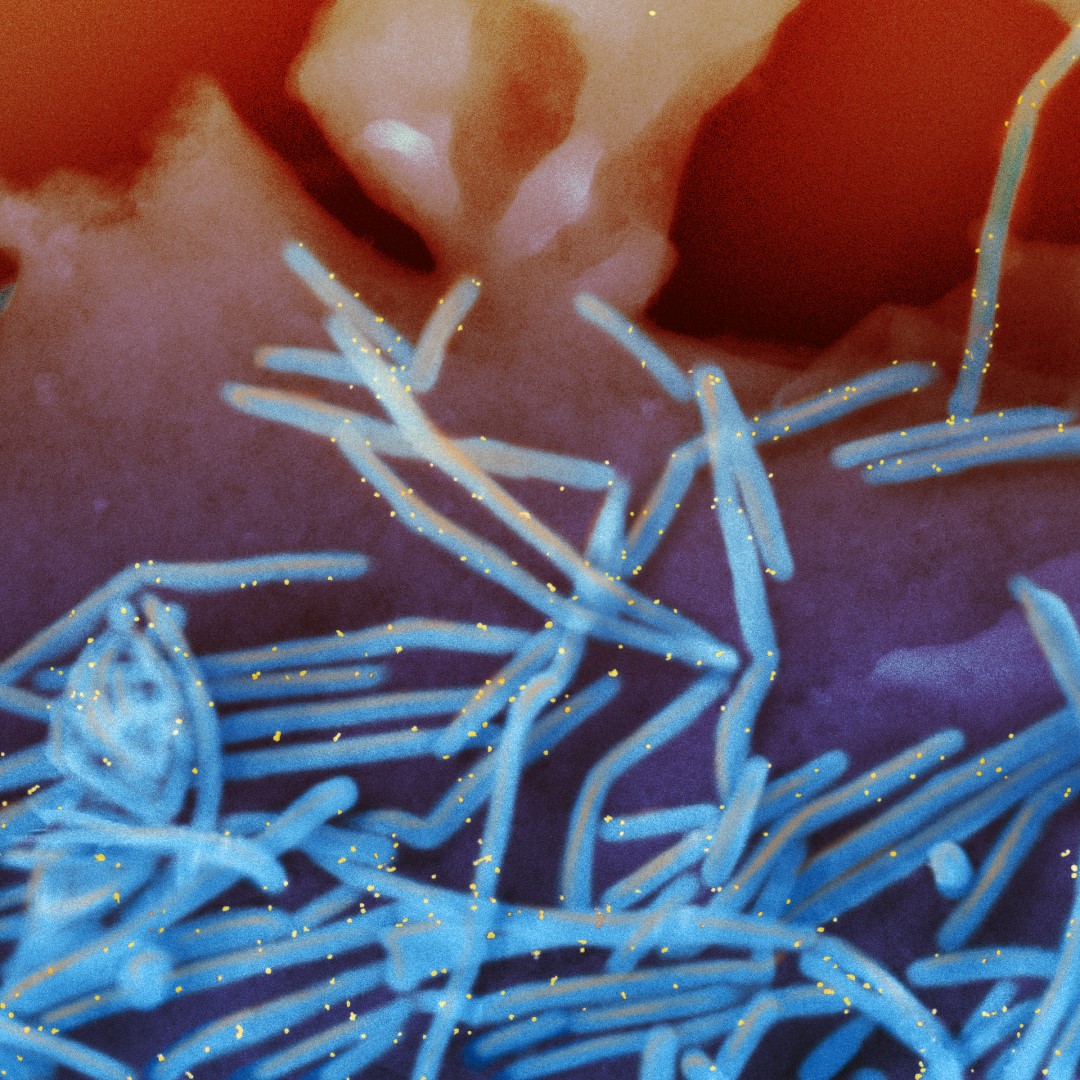
Study supports effectiveness of RSV preventive antibody treatments for infants
On Sept. 16, 2026, an analysis of more than 60,000 respiratory syncytial virus (RSV) sequences from around the world found that viral variants associated with resistance to current RSV prevention tools remain rare, according to a study published in Nature.
The findings support the continued effectiveness of preventive antibodies and vaccines used to protect infants and other vulnerable populations from severe RSV infections, while providing new insights that could help guide the development of future prevention strategies.
“It’s so incredible as a pediatrician, and as a mom, that we now have these prevention tools for RSV,” said first author Cassandra Simonich, MD, PhD, a research associate at Fred Hutch Cancer Center and a pediatric infectious diseases physician at Seattle Children’s. “We know these tools work really well in reducing severe RSV infections in babies. We want to ensure that these tools stay effective, and this study is a step toward ensuring our prevention methods keep working.”
RSV prevention tools include monoclonal antibodies for infants and vaccines for adults, which when given in advance of infection can prevent and reduce severity of the infection. Infants, older adults with weakened immune systems and people who are immunocompromised – such as when undergoing cancer treatment – are considered vulnerable to RSV and recommended to receive RSV prevention therapeutics.
The other prevention tool is to give an RSV vaccine to people who are in their third trimester of pregnancy, which then leads to anti RSV antibodies in the fetus. Those antibodies persist after birth to prevent RSV infection. While prevention strategies have been successful so far, infectious disease experts have been on the lookout for signs that the RSV virus could adapt to resist the biological blockades created by preventive antibodies. Such signs of resistance would appear in mutations in new sequences of RSV.
Using a lab method called deep mutational scanning, Simonich and the study coauthors created a detailed library of possible RSV mutations that could indicate that the virus is changing in ways that could make preventive tools less effective. The team looked at 60,000 RSV sequences from public databases. The viral sequences were from cases around the world of people with RSV and included subtypes RSV A and RSV B, which circulate together. The researchers used deep mutational scanning to systematically measure the effect of thousands of possible mutations to the RSV fusion protein on antibody neutralization, and then used that information to score the sequences for their level of resistance.
“Our findings show that it was rare to find resistance to the RSV antibodies currently used for prevention,” Simonich said. “So that’s encouraging for nirsevimab and clesirovimab because for both of these antibodies, it doesn’t seem like there’s any sort of sustained spread of resistance mutations.” Simonich estimated that less than 1% of RSV sequences contain resistance mutations. The team hopes the findings will help with ongoing real-time surveillance to monitor for resistance in RSV and examine if any RSV strains that are resistant become more common over time.
Tags:
Source: Fred Hutchinson Cancer Center
Credit: