Study Reveals How Toilet Aerosols Reach the Breathing Zone
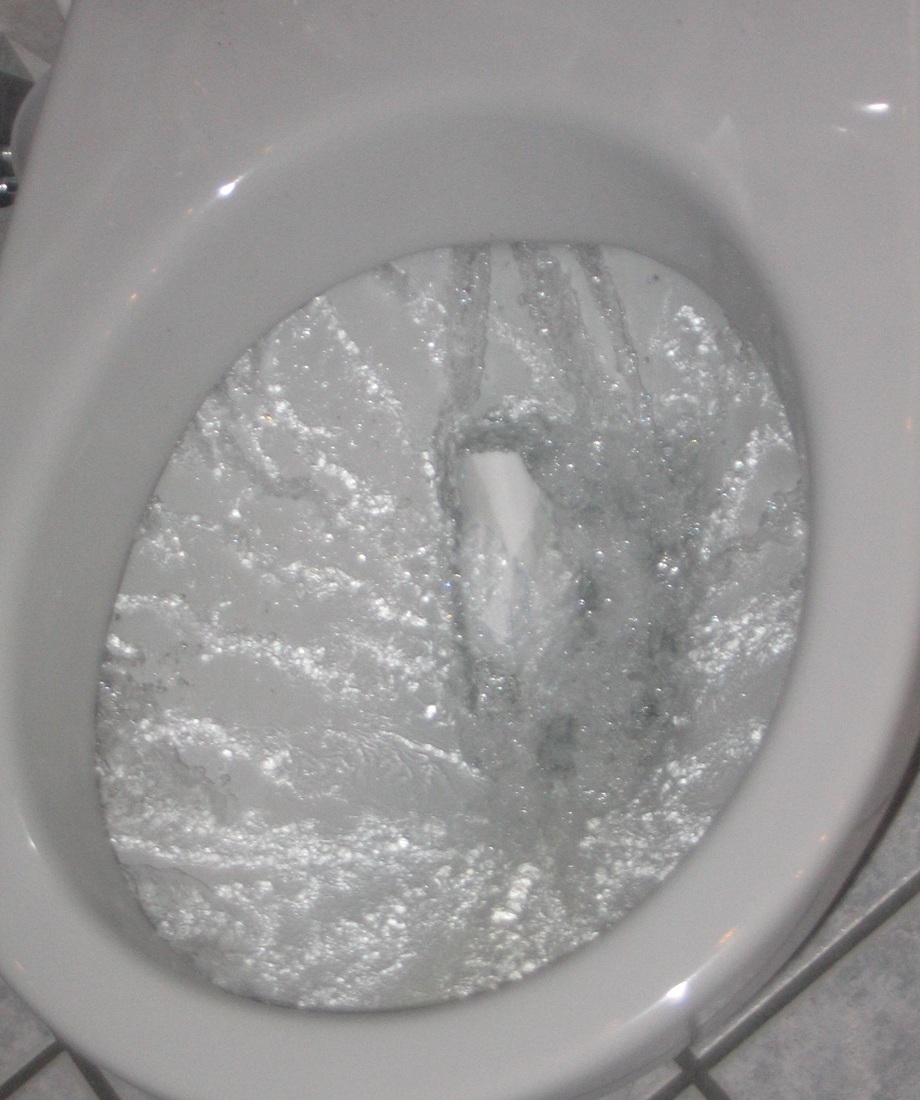
On Sept. 8, 2026, researchers from Flinders University have found that flushing toilets can release aerosols and bioaerosols into the surrounding air, with some studies detecting particles at heights corresponding to the breathing zone of adults. The new study, published in Science of the Total Environment, systematically reviewed research into aerosol and bioaerosol that is generated during toilet flushing, and examined the factors that influence how much aerosol is produced and how it disperses.
Lead author Lira Adiyani, a PhD student at Flinders University, says the findings highlight the potential for exposure to disease-causing microbes contained in toilet-generated aerosols.
The review analysed 22 studies of toilet-generated aerosols, including studies using microorganisms or surrogate organisms seeded into toilet water as well as studies conducted under normal, unseeded conditions. The researchers found that aerosol concentrations varied considerably between studies, depending on experimental conditions, toilet characteristics and sampling methods.
Among experiments where microorganisms were deliberately introduced into toilet water, higher microbial concentrations in the water were associated with higher concentrations detected in aerosols. Higher aerosol concentrations were also commonly reported closer to the toilet, particularly around seat height.
Together, these findings suggest that maintaining good toilet hygiene, including regular cleaning of the toilet and surrounding surfaces, and handwashing after use may help minimise microbial contamination and potential exposure to microbial disease. Flush volume was also identified as an important factor influencing aerosol generation, suggesting that choosing toilets designed with lower flush volumes, or using the lower-volume option on dual-flush toilets where appropriate, may help minimise aerosol production.
Aerosols were also reported to remain suspended in the air for at least 20 seconds after flushing. Although ventilation and lid position were not significantly associated with aerosol concentrations in the review, they may still influence how aerosols disperse within the bathroom. Adequate ventilation may help disperse and remove suspended airborne particles, while evidence from individual studies suggests that closing the lid can alter the direction of aerosol dispersion, with aerosols escaping through gaps between the lid and toilet bowl rather than travelling directly upwards.
Adequate bathroom ventilation and closing the toilet lid before flushing may be simple precautionary measures to help minimise potential exposure. However, further research is needed to determine how effectively these measures reduce aerosol dispersion and inhalation exposure.
Tags:
Source: Flinders University
Credit: