Study confirmed safety of shingles vaccine
On Oct. 20, 2022, published results supported previous findings that the recombinant zoster vaccine Shingrix, recommended by the Centers for Disease Control and Prevention (CDC) for preventing shingles and its complications, is safe and unlikely to cause a serious reaction in healthy adults. The study, led by Kaiser Permanente Washington Health Research Institute (KPWHRI) Senior Investigator Jen Nelson, PhD, with Senior Investigator Lisa Jackson, MD, MPH, was published in the American Journal of Epidemiology.
The findings bolster safety data from efficacy trials done before the vaccine was licensed and unsolicited reports from clinicians or people who received a vaccination shortly after the vaccine was rolled out in 2018.
Researchers used electronic health record data from sites in the Vaccine Safety Datalink (VSD), a collaborative project between the CDC and 9 health care organizations that have capacity to conduct vaccine safety studies in large populations. Sites in the VSD first began to use the Shingrix vaccine in January 2018. The study monitored vaccine doses given to adults over age 50 at 7 VSD sites through December 2019 — a total of 647,833 doses — to better understand risk of adverse outcomes.
Researchers used electronic health record data to calculate relative risk of 10 different primary outcomes and 11 secondary outcomes. They compared the Shingrix group to 2 different comparison groups: people who did not receive the Shingrix vaccine who had a well care visit at the VSD sites during the study period and people who had received the earlier shingles vaccine, Zostavax.
The primary outcomes were chosen based on observations from the pre-licensure clinical trials of the vaccine and from known possible outcomes traditionally followed during vaccine safety studies, such as allergic reactions. The list of primary outcomes included stroke, convulsions, severe allergic reactions (anaphylaxis), irregular heartbeat, and Guillain-Barre syndrome, a rare disorder where the body’s immune system attacks the nerves.
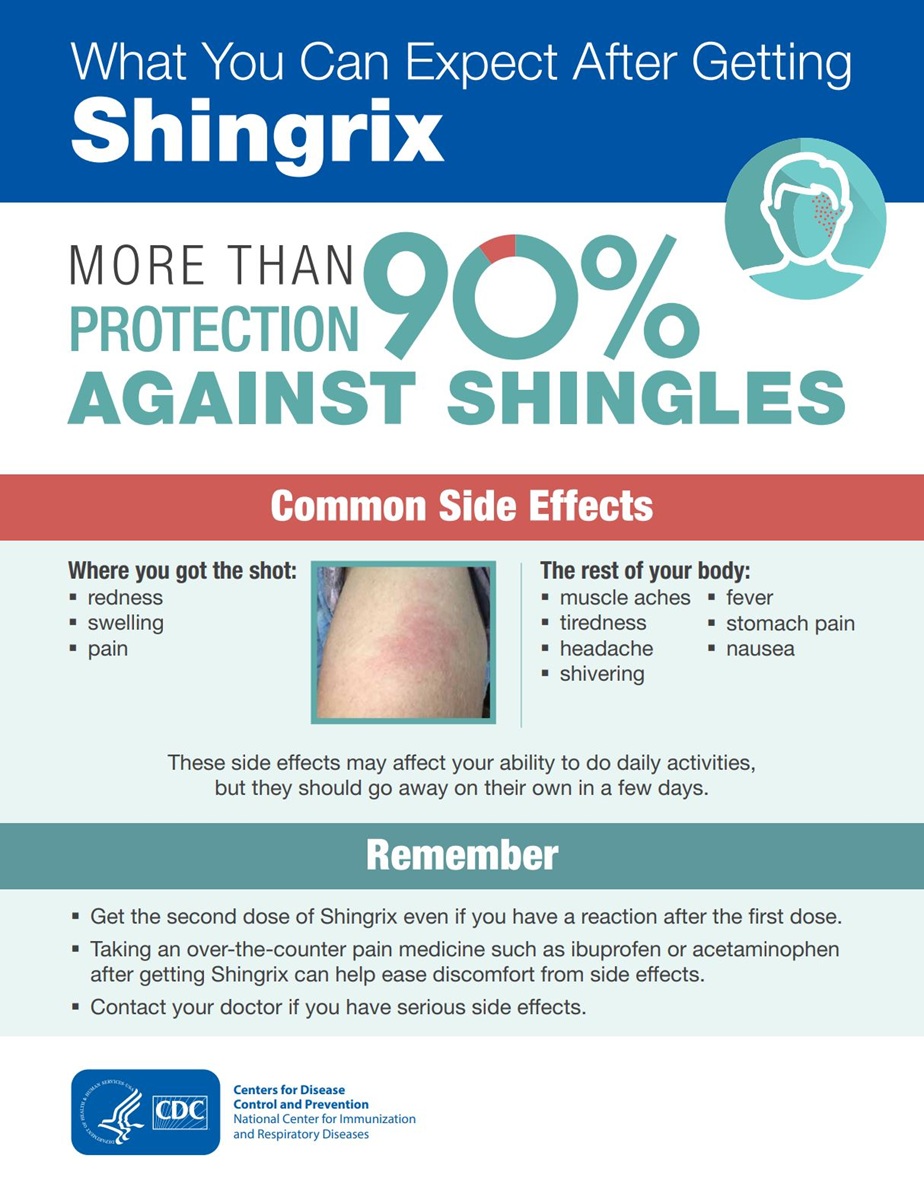
Secondary outcomes included local reactions such as pain or swelling at the injection site, systemic reactions like fever or muscle pain, gout, and inflammation of the heart muscle or lining.
The researchers recommended that future studies look at non-acute events on a longer timeline, up to a year after vaccination. They plan to publish another study that examines the impact of healthy user bias on some of the associations they observed during this research. For example, the results showed that recipients of the Shingrix vaccine had a lower risk of getting pneumonia than the group that did not receive a vaccine. However, this could be due to the fact that people seeking out the vaccine were healthier overall.
Tags:
Source: Kaiser Permanente Washington Health Research Institute
Credit: