Source of Marburg virus outbreak in Rwanda remains unknown
On Oct. 25, 2024, the World Health Organization reported that a total of 64 Marburg virus disease (MVD) cases, including 15 deaths, had been reported in Rwanda. MVD is a highly virulent disease that can cause haemorrhagic fever and is clinically similar to Ebola virus disease. Among the initial 62 confirmed cases with available data, 70% were males, and 48% were aged between 30 to 39 years. Contact tracing was ongoing, with 1,146 contacts under follow-up as of October 20, 2024. Based on available updates from the outbreak investigation, the index case was a male between 20 and 30 years old with a history of exposure to bats in a cave.
Since the last Disease Outbreak News on this event was published on 18 October 2024, two additional laboratory-confirmed cases of Marburg virus disease (MVD) were reported in Rwanda on 23 and 24 October. The new cases include a healthcare worker who had been treating MVD cases since the start of the outbreak and a case linked to the site where the index case was exposed. Both cases are currently in isolation and receiving treatment. As of 24 October 2024, a total of 64 confirmed cases, including 15 deaths (CFR: 23.4%), have been reported. Excluding the recently confirmed cases, 70% of the 62 initially confirmed cases were among males, and 48% were among adults between 30 and 39 years of age. Health workers from two health facilities in Kigali account for over 82% of confirmed cases. Most of the cases have been reported from the three districts in Kigali city.
The highest number of new confirmed cases were reported in the first two epidemiological weeks of the outbreak with 26 cases reported in the epidemiological week 39 (23 to 29 September 2024) and 23 cases in week 40 (30 September to 6 October). This was followed by a sharp decline in epi weeks 41 (7 to 13 October) and 42 (14 to 20 October), with 12 and one cases reported respectively.
Since the declaration of the outbreak by the Government of Rwanda on 27 September and as of 23 October, 46 confirmed cases have recovered, and three cases are under care at the designated Marburg treatment center. The 62 confirmed cases reported since the start of the outbreak have been part of one major cluster with three branches. As of 24 October 2024, a total of 5074 tests for Marburg virus have been conducted, with approximately 100-300 samples being tested daily at the Rwanda Biomedical Center.
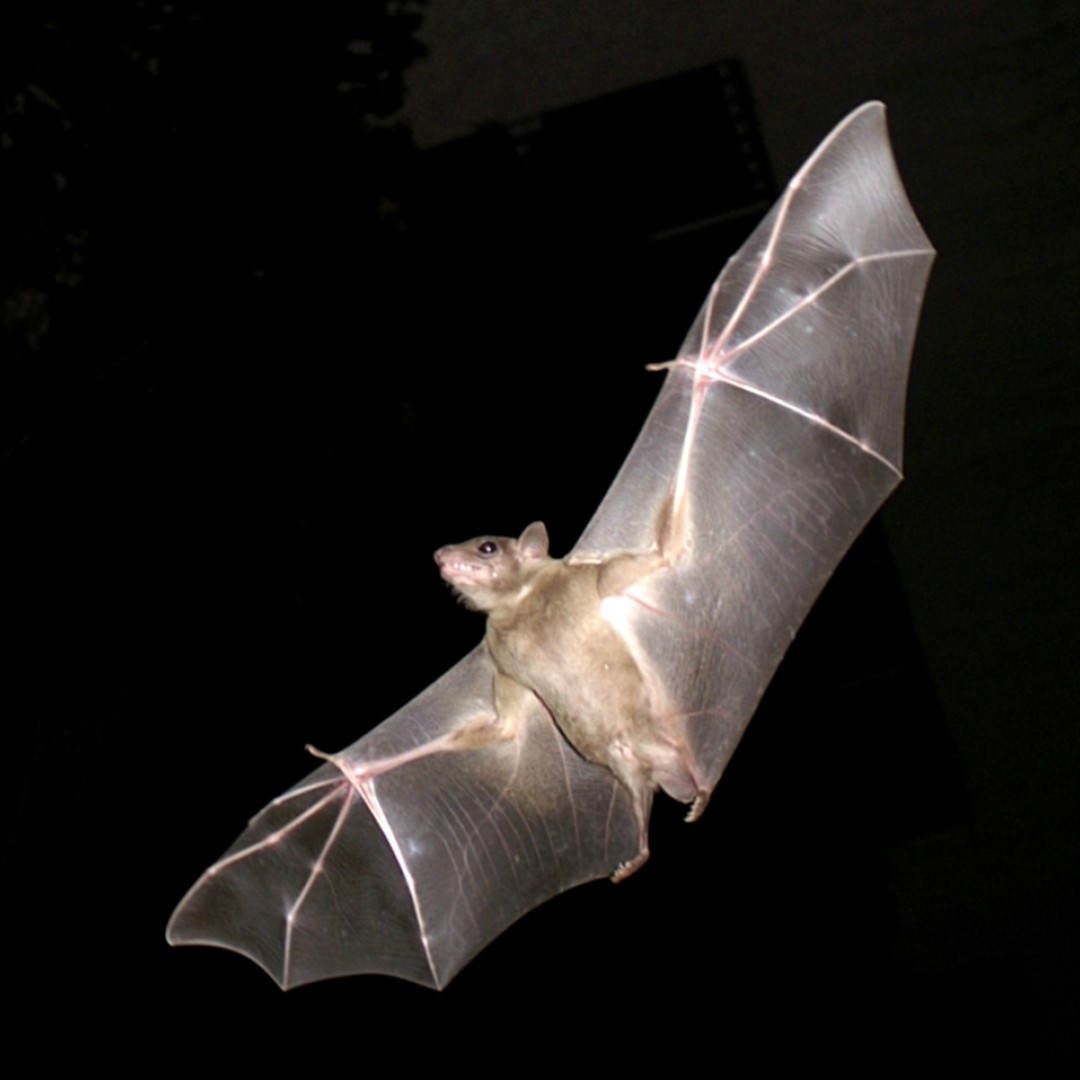
MVD is a highly virulent disease that can cause haemorrhagic fever and is clinically similar to Ebola virus disease. Marburg and Ebola viruses are both members of the Filoviridae family (filovirus). People are infected with Marburg virus when they come into close contact with Rousettus bats, a type of fruit bat, that can carry the Marburg virus and are often found in mines or caves. Marburg virus then spreads between people via direct contact (through broken skin or mucous membranes) with the blood, secretions, organs or other bodily fluids of infected people, and with surfaces and materials (e.g. bedding, clothing) contaminated with these fluids. Health workers have previously been infected while treating patients with suspected or confirmed MVD. Burial ceremonies that involve direct contact with the body of the deceased can also contribute to the transmission of Marburg virus.
The incubation period varies from two to 21 days. Illness caused by Marburg virus begins abruptly, with high fever, severe headache and severe malaise. Severe watery diarrhoea, abdominal pain and cramping, nausea and vomiting can begin on the third day. Although not all cases present with haemorrhagic signs, severe haemorrhagic manifestations may appear between five and seven days from symptoms onset, and fatal cases usually have some form of bleeding, often from multiple areas. In fatal cases, death occurs most often between eight and nine days after symptom onset, usually preceded by severe blood loss and shock. There is currently no approved treatment or vaccine for MVD. Some candidate vaccines and therapeutics are currently under investigation.
Seventeen outbreaks of MVD have previously been reported globally. The most recent outbreaks were reported in Equatorial Guinea and the United Republic of Tanzania between February and June 2023. Additional countries that previously reported outbreaks of MVD in the African Region include Angola, the Democratic Republic of the Congo, Ghana, Guinea, Kenya, South Africa, and Uganda.
Tags:
Source: World Health Organization
Credit: