Siteman Cancer Center received $15 million grant to support personalized leukemia therapies
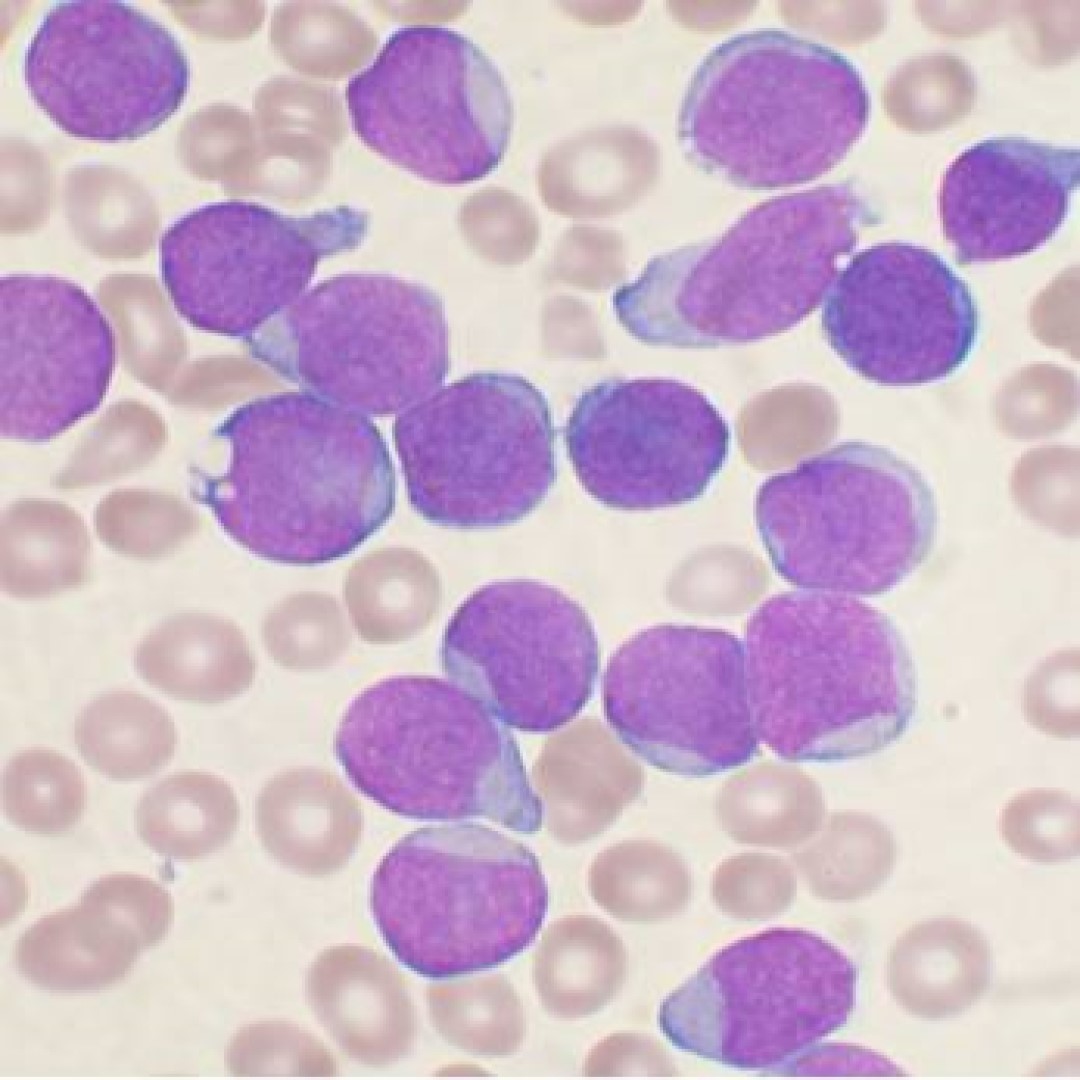
On Aug. 21, 2019, Washington University investigators at Siteman Cancer Center at Barnes-Jewish Hospital and Washington University School of Medicine in St. Louis have been awarded a $15 million grant to better understand the genetic changes that drive acute myeloid leukemia (AML), a deadly blood cancer, and predict patients’ responses to therapy. The findings also may enable investigators to develop more effective therapies tailored to patients, based on the genetic characteristics of their cancer cells.
The grant, funded by the National Cancer Institute of the National Institutes of Health (NIH), allows for the continuation of work by a team of researchers with complementary expertise in AML, drawing on their unique strengths in basic and translational research.
The funding mechanism is called a program project grant, which supports integrated research projects around a single type of cancer. Funding for the “Genomics of AML” program project grant originally was awarded to this group of investigators in 2003 and has now been renewed for the third time. It is the only program project grant in the country focused on AML genomics.
Funding from this grant, and from a direct gift from Alvin Siteman, allowed this group to sequence the first human cancer genomes (from AML patients) in 2008 and 2009, setting the stage for the entire field of cancer genomics. Separately in 2018, the School of Medicine also was awarded a $11.5 million grant for leukemia – a Specialized Program of Research Excellence (SPORE) grant, making Washington University a national hub for innovative leukemia research and leadership in developing new therapies for leukemia patients.
One of the biggest challenges in treating AML is that even when patients achieve remission, the cancer usually returns. The five-year survival rate is low, about 28 percent — but even lower for older patients with the disease. Research by Washington University investigators has shown that certain mutations in a patient’s AML cells — and whether they are cleared with initial therapy — can help to predict the aggressiveness of leukemia and response to treatment. The new grant will help researchers better understand the interplay of mutations and the gene expression patterns that they alter, which will help them understand why some patients relapse and others don’t.
Tags:
Source: Siteman Cancer Center
Credit: