Roche launched laboratory SARS-CoV-2 antigen test to support high-volume testing of suspected COVID-19 patients
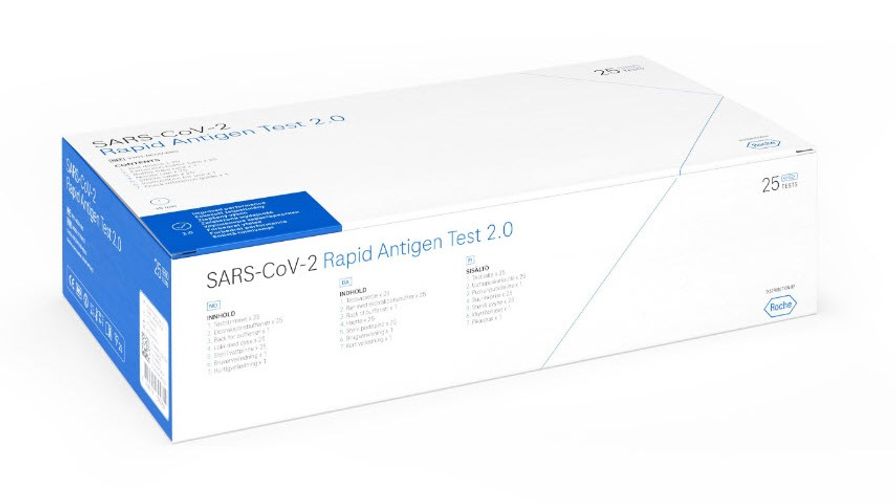
On Oct. 13, 2020, Roche announced that it intended to launch a high-volume SARS-CoV-2 Antigen test as an aid in the diagnosis of Severe Acute Respiratory Syndrome Coronavirus 2 (SARS-CoV-2) infection. The test was planned to be made available at the end of 2020 for markets accepting the CE Mark. Roche intended to file for Emergency Use Authorisation from the U.S. Food and Drug Administration (FDA).
The Elecsys® SARS-CoV-2 Antigen test is a highly accurate laboratory immunoassay for the in vitro qualitative detection of the nucleocapsid antigen of SARS‑CoV‑2. The test is performed by healthcare professionals and uses nasopharyngeal or oropharyngeal swab samples from patients with signs and symptoms suggestive of COVID-19, or people with either known or suspected exposure to SARS-CoV-2.
The Elecsys SARS-CoV-2 Antigen immunoassay runs on all cobas e immunochemistry analysers which are widely available around the world. These fully automated systems can provide test results in 18 minutes for a single test (excluding time for sample collection, transport, and preparation), with a throughput of up to 300 tests per hour from a single analyser, depending on the analyser1. A laboratory based automated antigen assay allows for cost and error reduction due to removal of manual handling as well as fast turn-around times and high test throughput.
Thomas Schinecker, CEO Roche Diagnostics, stated, “We are aware that governments and healthcare systems are under intense pressure to increase SARS-CoV-2 testing capacity to effectively manage the spread of the virus. A high-volume antigen test is a valuable addition to the testing portfolio for helping diagnose SARS-CoV-2 infection. Being able to quickly and correctly identify if someone has a SARS-CoV-2 infection is critical to informing patient management decisions and containing the spread of COVID-19. Roche remains committed to supporting governments, healthcare professionals and patients to fight this pandemic with the help of our diagnostics solutions.”
The test will be another addition to the comprehensive Roche diagnostic portfolio of solutions to help healthcare systems combat COVID-19 through testing in the laboratory and at the point of care. These solutions include both tests to detect an acute SARS-CoV-2 infection and tests measuring the body’s immune response upon infection or vaccination.
An antigen test detects proteins which are structural or functional components of a pathogen and are thus very specific to that pathogen. In this case, the test would provide a qualitative “yes/no” answer on the presence of the pathogen in the patient sample. If the target antigen is present in sufficient concentrations in the sample, it will bind to specific antibodies and generate a positive result.3
In general, antigen tests have a high specificity, though are not as sensitive as PCR tests that amplify the target viral DNA or RNA sequence in order to generate a quantifiable signal to indicate the presence of the virus in a sample. Therefore, to make up for the potential decrease in sensitivity of an antigen test, negative results should be analysed together with additional patient factors, such as COVID-19 exposure history, clinical symptoms, additional test results to help guide the diagnosis and subsequent treatment of the patient.
Tags:
Source: Roche
Credit: