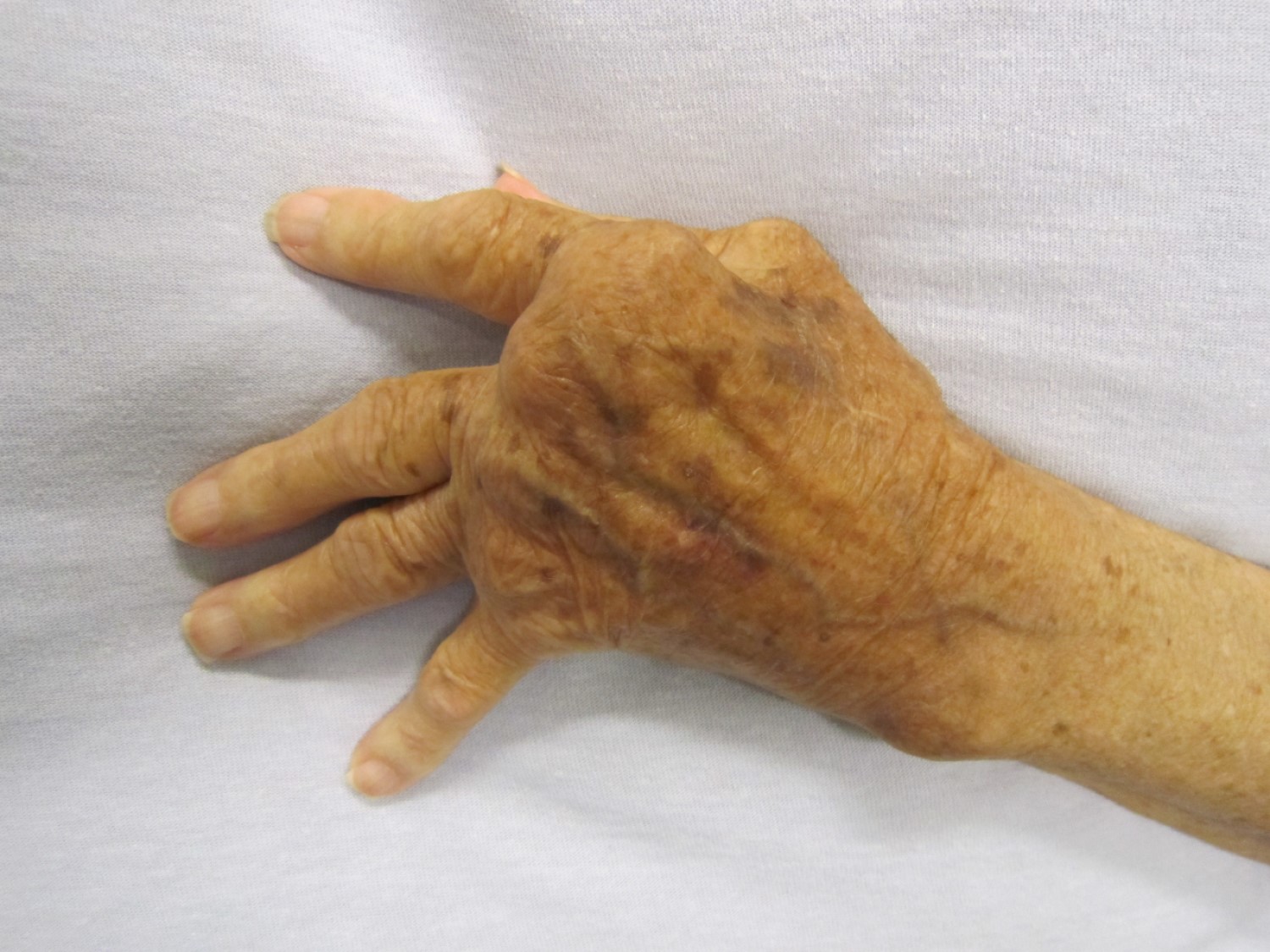
Rheumatoid Arthritis gene was discovered
On Nov. 8, 2007, researchers at Brigham and Women’s Hospital and the Broad Institute of MIT and Harvard have discovered a gene involved in rheumatoid arthritis, a painful inflammation that affects 2.1 million Americans and which can destroy cartilage and bone within the afflicted joint.
In a study led by Robert Plenge, an instructor in medicine at Harvard Medical School and physician at Harvard-affiliated Brigham and Women’s Hospital, researchers used gene chip technology to screen the genomes of 397 rheumatoid arthritis sufferers for DNA sequences different from those in the broader population.
Gene chip technology has revolutionized genetic studies by allowing researchers to examine hundreds of thousands of bits of DNA at a time, screening vast numbers of genes that previously had to be examined one at a time in slow, painstaking laboratory work.
Researchers compared the genomes of rheumatoid arthritis sufferers with a sample of the general population, in this case, 1,211 participants in the Framingham Heart Study. Thirty-eight researchers from 13 institutions examined 116,204 places in the genome that prior studies had identified as varying from person to person. The examination of these sites, called single nucleotide polymorphisms, turned up one place on chromosome six that differed significantly in the rheumatoid arthritis sufferers from the general population.
Plenge said the location, given the technical name of 6q23, isn’t within a known gene, but it is near a gene known to be involved in inflammation. It is likely, Plenge said, that the 6q23 genetic variants interact with the inflammation gene in some way. The study, published in the journal Nature Genetics, is part of an ongoing effort at Brigham and Women’s Hospital focused on rheumatoid arthritis. Called the Brigham and Women’s Hospital Rheumatoid Arthritis Sequential Study (BRASS), the effort is a multi-pronged program to gather genetic, clinical, and demographic data in order to better understand and develop new treatments for the condition.
Rheumatoid arthritis is an autoimmune disease in which the body’s own defenses attack a person’s joints, causing pain, swelling, and stiffness. It typically begins in middle age and afflicts women more than men. It can vary considerably in severity, from occasional flare-ups to serious joint damage. One difficulty in fighting the disease is its complexity. Genetics, environment, and lifestyle are all known to play a role among the factors that determine who gets the disease and who doesn’t.
The find is a significant advance in science’s knowledge of the disease’s genetic roots. Despite decades of study, only two genes were known to be involved in rheumatoid arthritis before this year. Including this most recent discovery, three new genes have been identified as playing some role, Plenge said. Identifying 6q23 is just the start of the work, however. The next step is to discover whether and how it interacts with the nearby inflammation gene, called TNFAIP3. Once they understand what it does, researchers will be better able to evaluate whether it’s a good target for drug treatment or for a test to identify those at risk for rheumatoid arthritis.
Tags:
Source: Harvard Gazette
Credit: