Researchers Identify Proteins that Spread Parkinson’s Pathology in the Brain
On Jan. 5, 2026, Yale School of Medicine (YSM) research report that two proteins found on the surface of motor neurons in the brain may be essential in the progression of Parkinson’s disease.
Parkinson’s disease is a neurodegenerative condition where neurons in the brain slowly break down and die. Cell death is caused by the accumulation of a misfolded protein called α-synuclein, which spreads from neuron to neuron. The mechanism by which α-synuclein spreads among cells, however, remains unknown. Now, a study published in Nature Communications suggests that two membrane proteins—mGluR4 and NPDC1—are major players in transporting misfolded α-synuclein into healthy neurons after it escapes from dying neurons.
The finding could help develop more effective treatments for Parkinson’s disease, says senior author Stephen Strittmatter, MD, PhD, Vincent Coates Professor of Neurology and chair of the Department of Neuroscience at YSM. Misfolded α-synuclein is “the pathologic hallmark of Parkinson’s disease,” he says. “If we understood how it gets into neurons, we could perhaps block or slow down the progression of the disease,” he adds. But to do that, “we need to understand the molecular mechanism of how it spreads.”
Neurodegenerative diseases like Alzheimer’s and Parkinson’s are a growing health concern in the United States. The Parkinson’s Foundation currently estimates that around 1.1 million Americans are diagnosed with Parkinson’s disease, and nearly 90,000 more people join their ranks every year. People with Parkinson’s disease often experience motor issues, such as tremors, trouble with balance, and slowed movement. These symptoms are caused by the accumulation of misfolded α-synuclein in motor cells in the brain. As α-synuclein spreads between neurons, symptoms worsen.
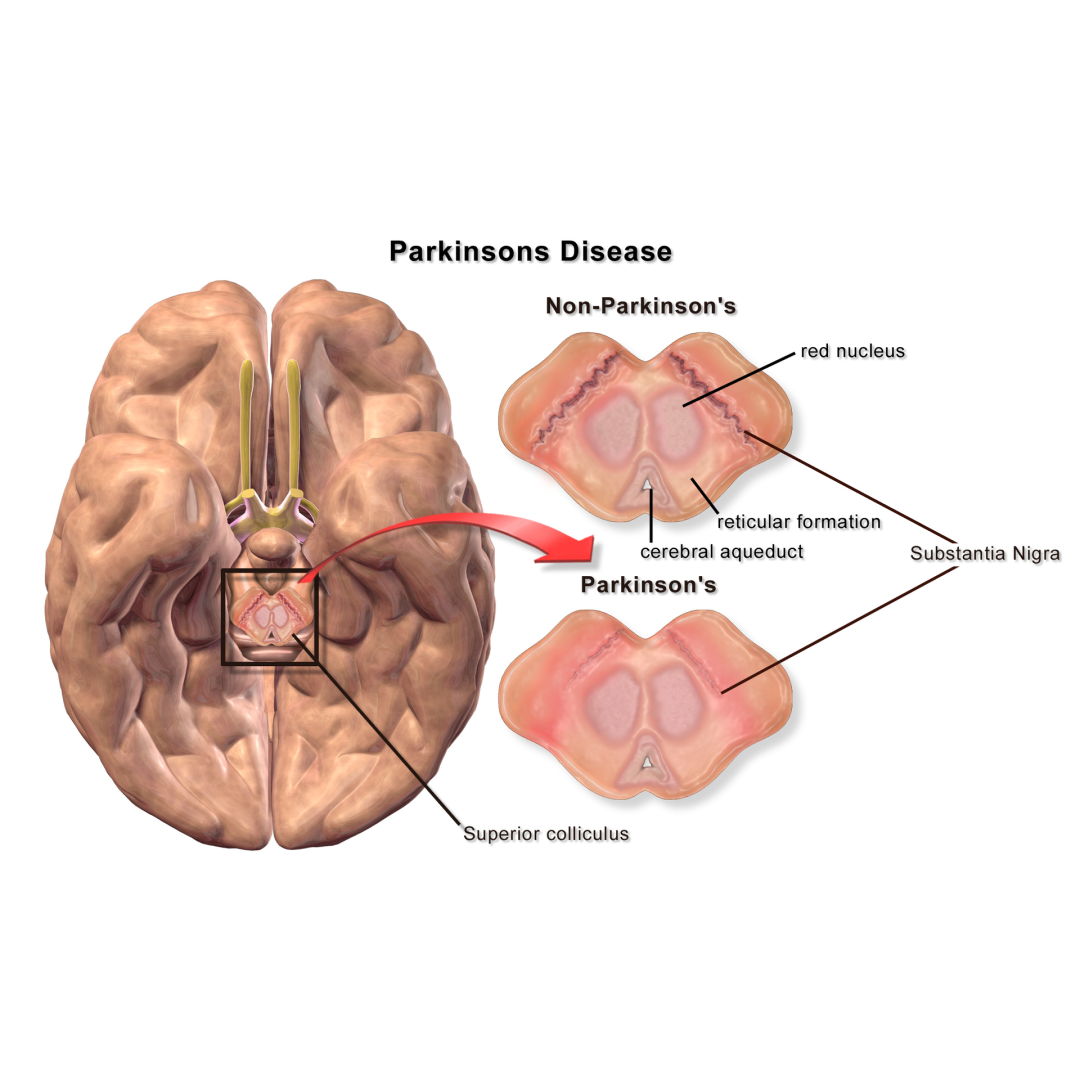
One way α-synuclein could enter new cells is by binding to surface proteins. To determine whether this was the case, Strittmatter and his colleagues created 4,400 batches of cells, each expressing different cell surface proteins, and observed whether they bound to misfolded α-synuclein. Most cell surface proteins did not. But 16 did, including two found in the human dopamine neurons of the substantia nigra, a region of the brain that degenerates in Parkinson’s disease. The researchers found that these two, called mGluR4 and NPDC1, transported misfolded α-synuclein into the cell.
The findings offer a potential avenue for treating Parkinson’s disease, Strittmatter says. Current Parkinson’s disease interventions focus on reducing symptoms but do not effectively prevent progression of the disease. Going directly after the spread of α-synuclein could provide treatments to slow or halt the course of Parkinson’s disease, he says.
New, effective treatments will be especially important in the coming decades. Parkinson’s and other neurodegenerative diseases largely impact older people. The number of Americans over the age of 65 is expected to increase over the next few decades—meaning that more people will be at risk of developing Parkinson’s disease.
Tags:
Source: Yale School of Medicine
Credit: