Researchers developed COVID-19 severity screening method based on the Agilent Cary 630 FTIR spectrometer
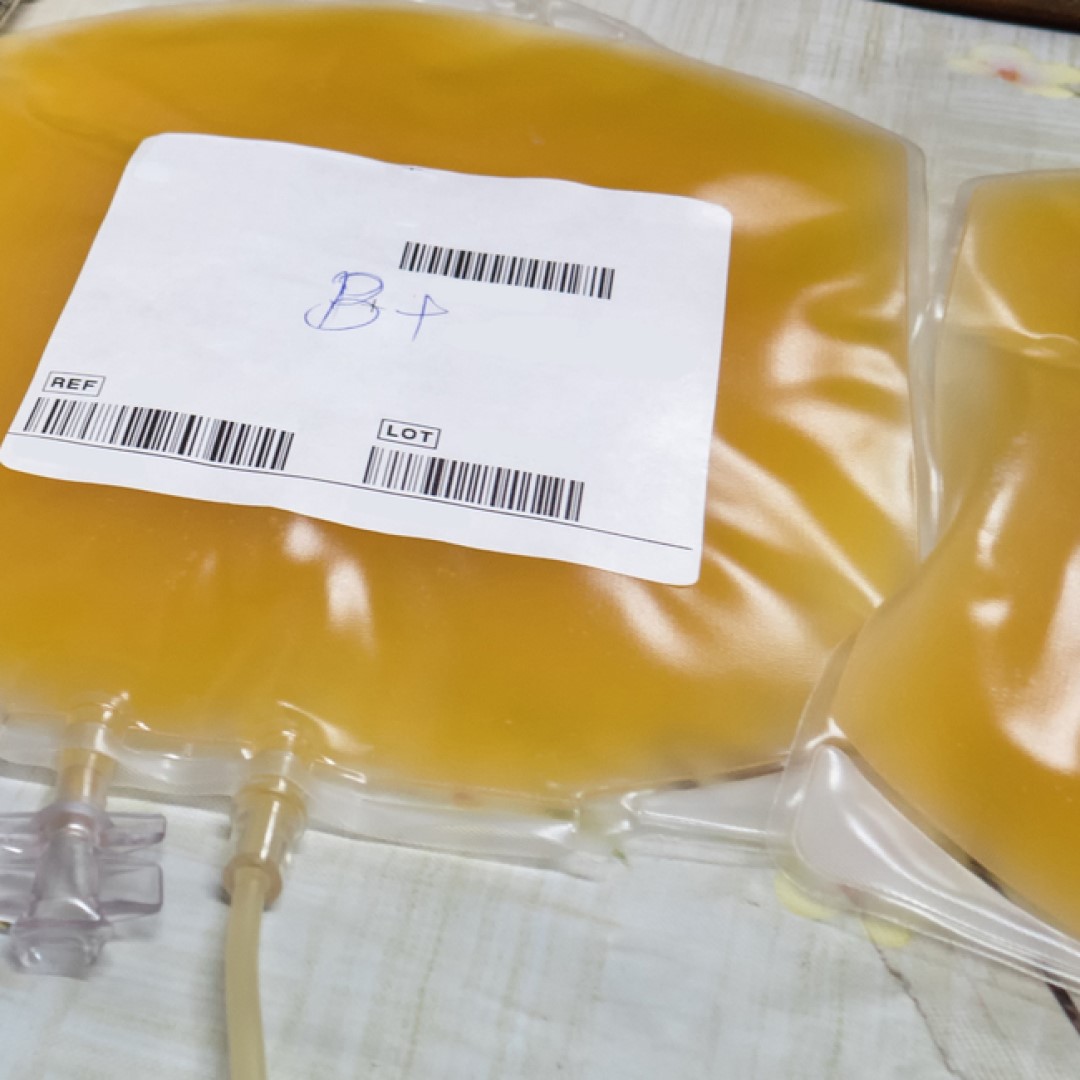
On Aug. 19, 2021, Agilent Technologies announced that researchers at the Indian Institute of Technology Bombay in India and the QIMR Berghofer Medical Research Institute in Australia had developed a rapid method for differentiating COVID-19-positive patients expected to show severe symptoms from those likely to experience only mild symptoms. The classification algorithm, published in the journal Analytical Chemistry, is based on infrared spectra of blood plasma, acquired on an Agilent Cary 630 FTIR Spectrometer.
The COVID-19 virus infected over 200 million people in 220 countries and territories in less than 18 months, overwhelming many healthcare systems.i Resources such as ventilators and hospital beds remain in extremely high demand, and shortages risk the lives of severely ill patients. However, not all COVID-19 patients experience symptoms requiring intensive care. Early identification and prioritization (triage) of patients based on severity can help free up resources and improve patient outcomes.ii This research has the potential to provide significant support to healthcare workers facing critical resource decisions.
In the study, the researchers collected infrared spectra of blood plasma from 160 COVID-positive patients from Mumbai (130 as a training set for model development and 30 as a blind test set for model validation). The spectra, collected on a Cary 630 FTIR spectrometer equipped with a diamond-attenuated total reflectance (ATR) sampling module, revealed slight but observable differences between severe and non-severe COVID-19 patient samples.
Tags:
Source: Agilent Technologies
Credit: