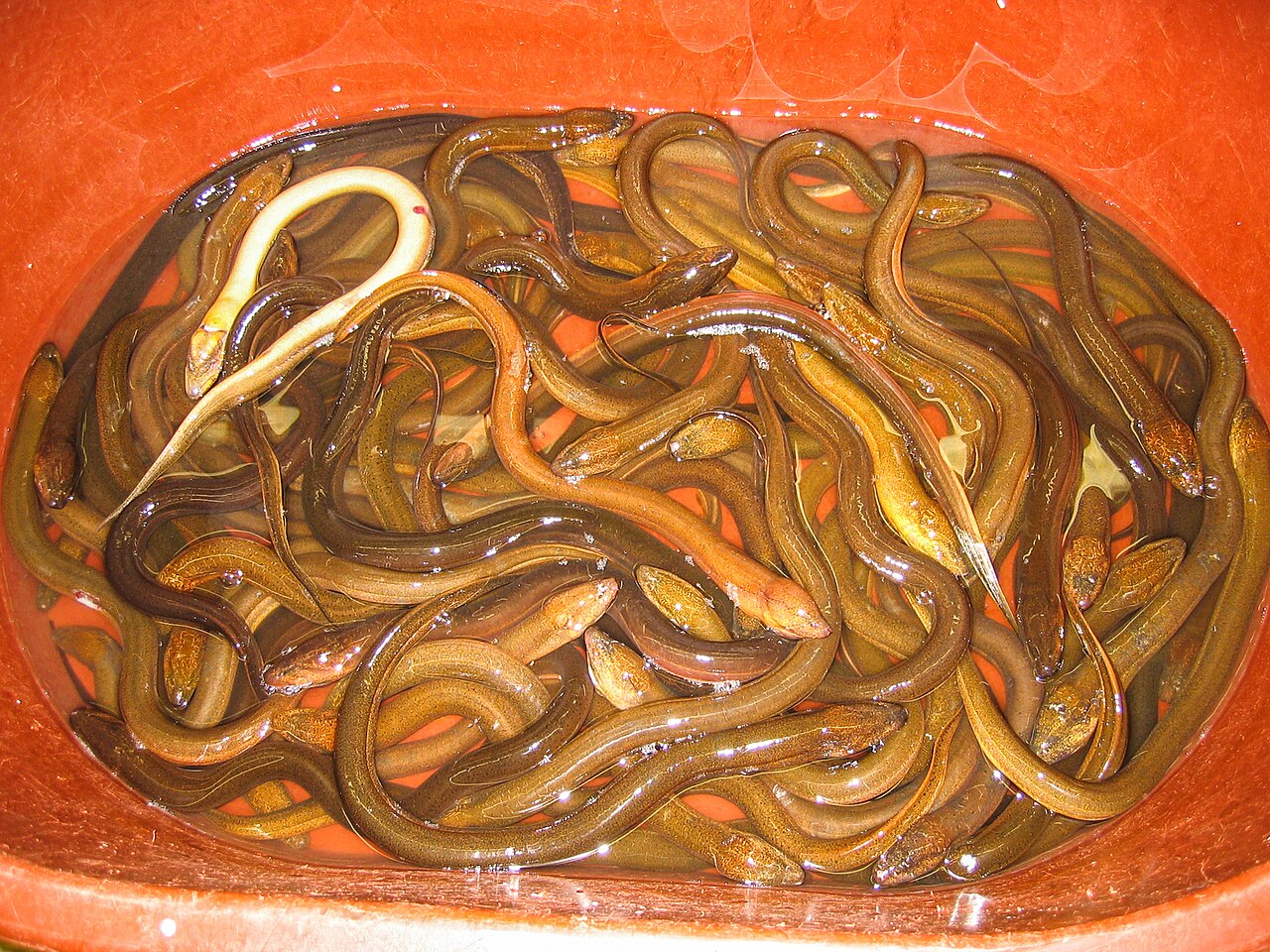
Researchers create DNA detection tool to stop spread of invasive Asian swamp eels, and bullseye snakeheads
On Feb. 24, 2026, University of Florida researchers announced they have developed a DNA-based test that detects invasive species using only the genetic traces left behind in water.
The newly published breakthrough gives wildlife conservationists a powerful early warning tool to address a major ecological threat, as species such as Asian swamp eels are already established in several Florida waterways and are disrupting native ecosystems.
The team’s digital genetic approach works as a fast, cost-effective and reliable way to spot hidden invaders before they spread.
In the canals, marshes and swamps of the Florida Everglades, invasive fish are silently slipping into new waterways. Among them are the Asian swamp eel and the bullseye snakehead, two air-breathing predators that live in the region and pose growing risks to native wildlife and fragile ecosystems like the Everglades.
To uncover these elusive invaders, scientists at the University of Florida Institute of Food and Agricultural Sciences (UF/IFAS) have developed a breakthrough approach to detect the cryptic species before they spread farther. The findings, published in the journal of Ecology and Evolution, have broad implications for wildlife conservationists.
The research team used a DNA-based environmental monitoring test that can pinpoint where they’ve been, aiding eradication efforts. Known as a tetraplex digital PCR assay, this method of testing allows researchers to use water or soil samples for rapid and precise identification of Burmese pythons, northern African pythons, boa constrictors and rainbow boas from environmental DNA — which scientists refer to as eDNA — collected in the wild. The test can identify four invasive snake species simultaneously.
Tags:
Source: University of Florida
Credit: Photo: Asian swamp eels in Georgia. Courtesy: U.S. Geological Survey, Reston, VA,