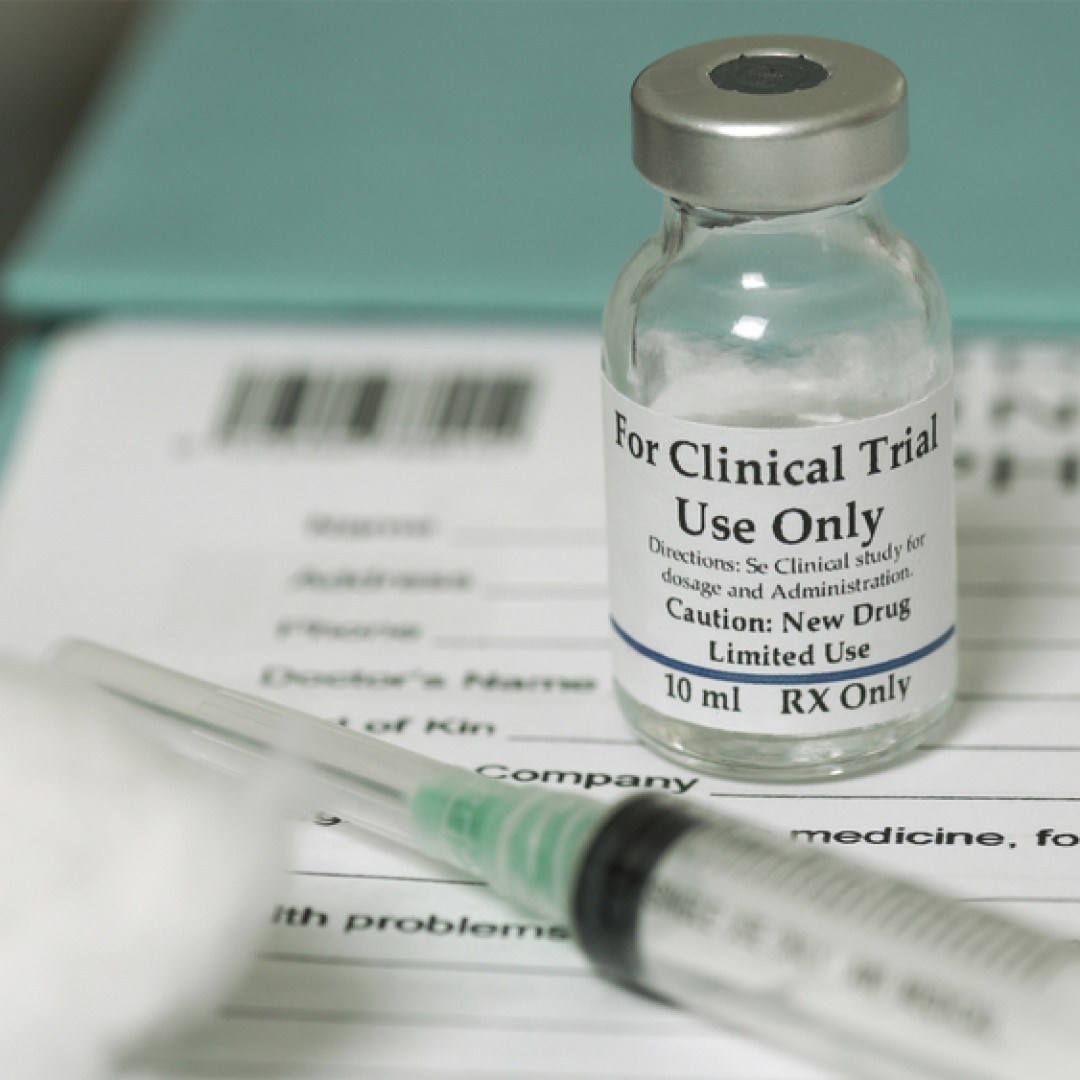
Regeneron’s COVID-19 outpatient trial demonstrated that REGN-COV2 antibody significantly reduced virus levels
On Oct. 28, 2020, Regeneron announced positive, prospective results from an ongoing Phase 2/3 seamless trial in the COVID-19 outpatient setting showing its investigational antibody cocktail, REGN-COV2, met the primary and key secondary endpoints. REGN-COV2 significantly reduced viral load and patient medical visits (hospitalizations, emergency room, urgent care visits and/or physician office/telemedicine visits).
The randomized, double-blind trial is measuring the effect of adding REGN-COV2 to usual standard-of-care, compared to adding placebo to standard-of-care. A descriptive analysis from the first 275 patients was previously reported. Today’s data, involving an additional 524 patients, show the trial met all of the first nine endpoints in the statistical hierarchy, which assessed virologic endpoints based on viral load, seronegative status and dose group, as well as the key clinical endpoint of COVID-19 related medically-attended visits, in patients who had laboratory-confirmed COVID-19 at baseline. Results showed no significant difference in virologic or clinical efficacy between the REGN-COV2 high dose (8 grams) and low dose (2.4 grams). Based on this finding, Regeneron is reviewing potential changes to dosing in the ongoing outpatient clinical trial given the current limited supply of REGN-COV2.
There was no planned formal statistical analysis of symptom alleviation in this analysis; descriptive analyses did not reveal robust associations with viral load, serology status or treatment. REGN-COV2 was well tolerated in the trial. Serious adverse events were numerically more frequent with placebo than REGN-COV2 treatment (0.8% high dose, 1.6% low dose; 2.3% placebo). Numerically more infusion reactions occurred with the REGN-COV2 high dose compared to placebo (1.5% high dose; 0% low dose; 0.4% placebo).
In the overall patient population (n=799), patients were prospectively characterized prior to treatment by serology tests to see if they had already generated antiviral antibodies on their own and were thus classified as seronegative (no measurable antiviral antibodies) or seropositive (measurable antiviral antibodies). Approximately 38% of patients were seropositive, 51% were seronegative and 11% were categorized as “other” due to unclear or unknown serology status. Approximately 50% of patients were Hispanic, 9% were African American and 60.5% had one or more underlying risk factors for severe COVID-19, including obesity (37%). On average, patients were 42.2 years of age. In total, 47% of participants were male and 53% were female.
The Phase 3 portion of this trial continues in non-hospitalized patients. REGN-COV2 is also being studied in a Phase 2/3 clinical trial for the treatment of COVID-19 in hospitalized patients, the Phase 3 open-label RECOVERY trial of hospitalized patients in the UK and a Phase 3 trial for the prevention of COVID-19 in household contacts of infected individuals.
REGN-COV2 is a combination of two monoclonal antibodies (REGN10933 and REGN10987) and was designed specifically to block infectivity of SARS-CoV-2, the virus that causes COVID-19.
To develop REGN-COV2, Regeneron scientists evaluated thousands of fully-human antibodies produced by the company’s VelocImmune® mice, which have been genetically modified to have a human immune system, as well as antibodies identified from humans who have recovered from COVID-19. The two potent, virus-neutralizing antibodies that form REGN-COV2 bind non-competitively to the critical receptor binding domain of the virus’s spike protein, which diminishes the ability of mutant viruses to escape treatment and protects against spike variants that have arisen in the human population, as detailed in Science.
Tags:
Source: Regeneron
Credit: