Pioneering immunologist Frank Dixon and four of his colleagues joined Scripps
On Jul. 1, 1961, pioneering immunologist Frank Dixon and four of his colleagues (William Weigle, Joseph Feldman, Charles Cochrane, and Jacinto Vazquez) arrivd at the Scripps Clinic and Research Foundation from the University of Pittsburgh, and established a Division of Experimental Pathology. They were drawn to the institute by the freedom to pursue research without the administrative constraints of a typical university.
They were wrong. As part of the Scripps Clinic and Research Foundation run by Edmund Keeney, the scientists found exactly what they were looking for—a place they could do research full time, without excessive bureaucracy or burdensome requirements to teach, do rounds, or serve on committees, a place where science came first.
Once in La Jolla, the scientists got to work, conducted research, and published papers. Soon, they found that word was spreading about the high caliber of their studies and postdocs from around the world were eager to join them. Dixon also recruited other scientific talent, not only in his Division of Experimental Pathology, but also in the fields of biochemistry and microbiology.
The size of the Scripps group doubled every four to five years, said Cochrane, and new biomedical institutions, such as the Burnham Institute for Medical Research and the La Jolla Institute for Allergy and Immunology, sprang up in the region. Today, he noted, San Diego is the third largest cluster of science and biotechnology industry in the entire country, after San Francisco and Boston.
Tags:
Source: Scripps Research Institute
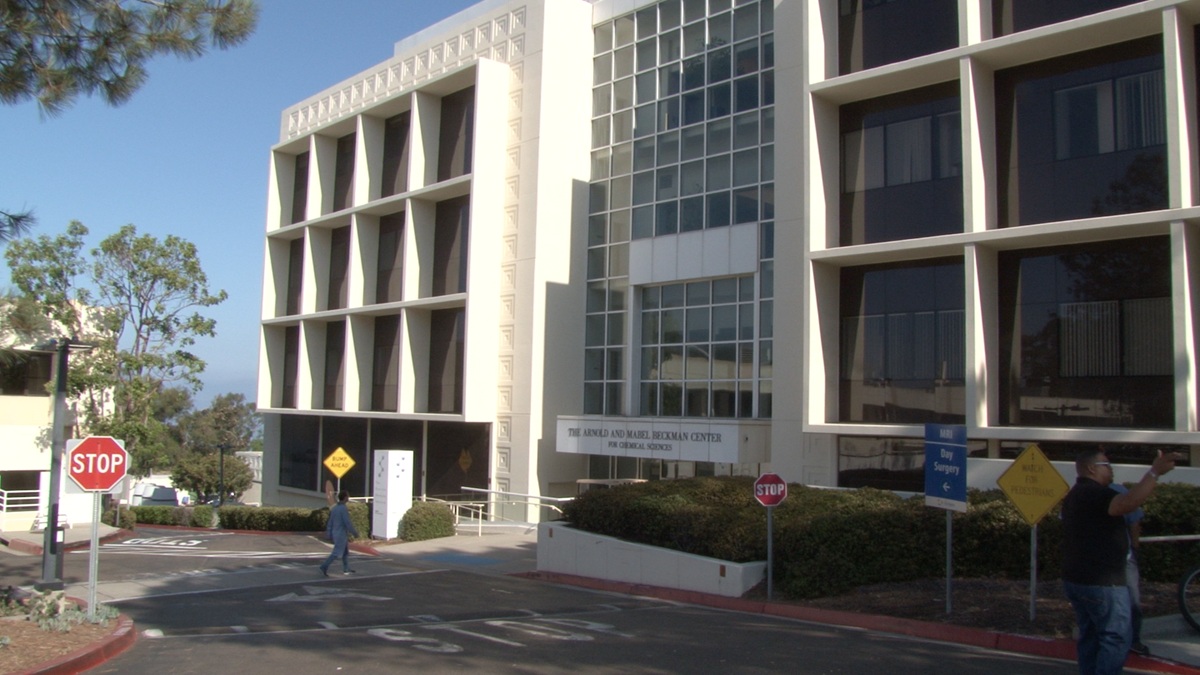
Credit: Photo: Beckman Building, Scripps Research Institute. Courtesy: Wikipedia.