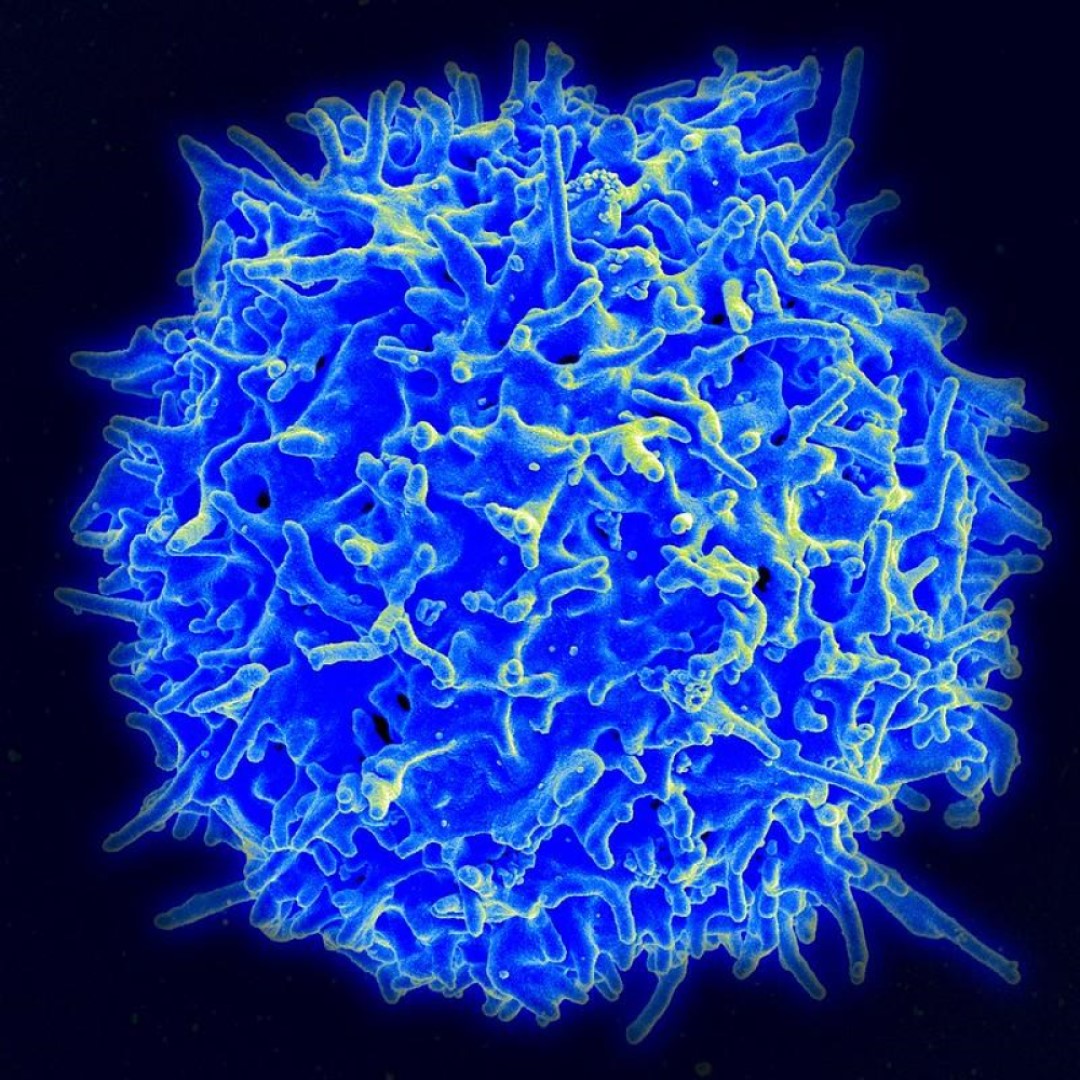
Persistent immune memory of COVID-19 found in recovered patient T cells
On Sept. 4, 2020, the University of Oxford researchers found that natural infection with COVID-19 produces a robust T cell response, including inducing T cell ムmemoryメ to potentially fight future infections. The results, published in Nature Immunology, are a joint effort from the Oxford COVID-19 immunology group, led by the Medical Research Council Human Immunology Unit at the MRC Weatherall Institute of Molecular Medicine and the Chinese Academy of Medical Science Oxford Institute at the University of Oxford.
While research has shown that COVID-19 induces a B cell antibody response, it has been less clear whether COVID-19 causes the immune system to make virus-specific T cells too, and whether they are important for recovery from the initial infection, and protection against new infections.
While antibodies latch onto and destroy disease-causing agents like viruses and bacteria, T cells latch on to diseased cells within the body, such as tumour cells or virus-infected cells. T-cells also help attract other immune cells to the area.
The research team compared blood samples from 28 mild and 14 severely ill COVID-19 patients, as well as samples from 16 healthy donors.
Study co-lead Professor Graham Ogg, Interim Director of the Medical Research Council Human Immunology Unit said: “We found that individuals with mild COVID-19 had a different pattern of T cell response when compared to those with more severe infection; this could help provide insights to the nature of immune protection.”
While research team think that a poor quality T cell response might contribute to SARS-CoV-2 viral persistence and COVID-19 mortality, recovered patients with mild as well as severe disease still had T cell memory two months after infection. Only a small number of T cells need to have a memory of the primary infection, and they can replicate to mount a robust immune response quickly.
The researchers also found that the spike protein of SARS-CoV-2 was often recognised by T-cells from recovered patients, which adds support for the approaches used by many of the current vaccines in development, including the Oxford vaccine. The research team additionally found that other parts of the virus, including its membrane and its nucleoprotein, also provoked a strong T cell immune response, potentially providing other vaccine targets too.
Tags:
Source: University of Oxford
Credit: