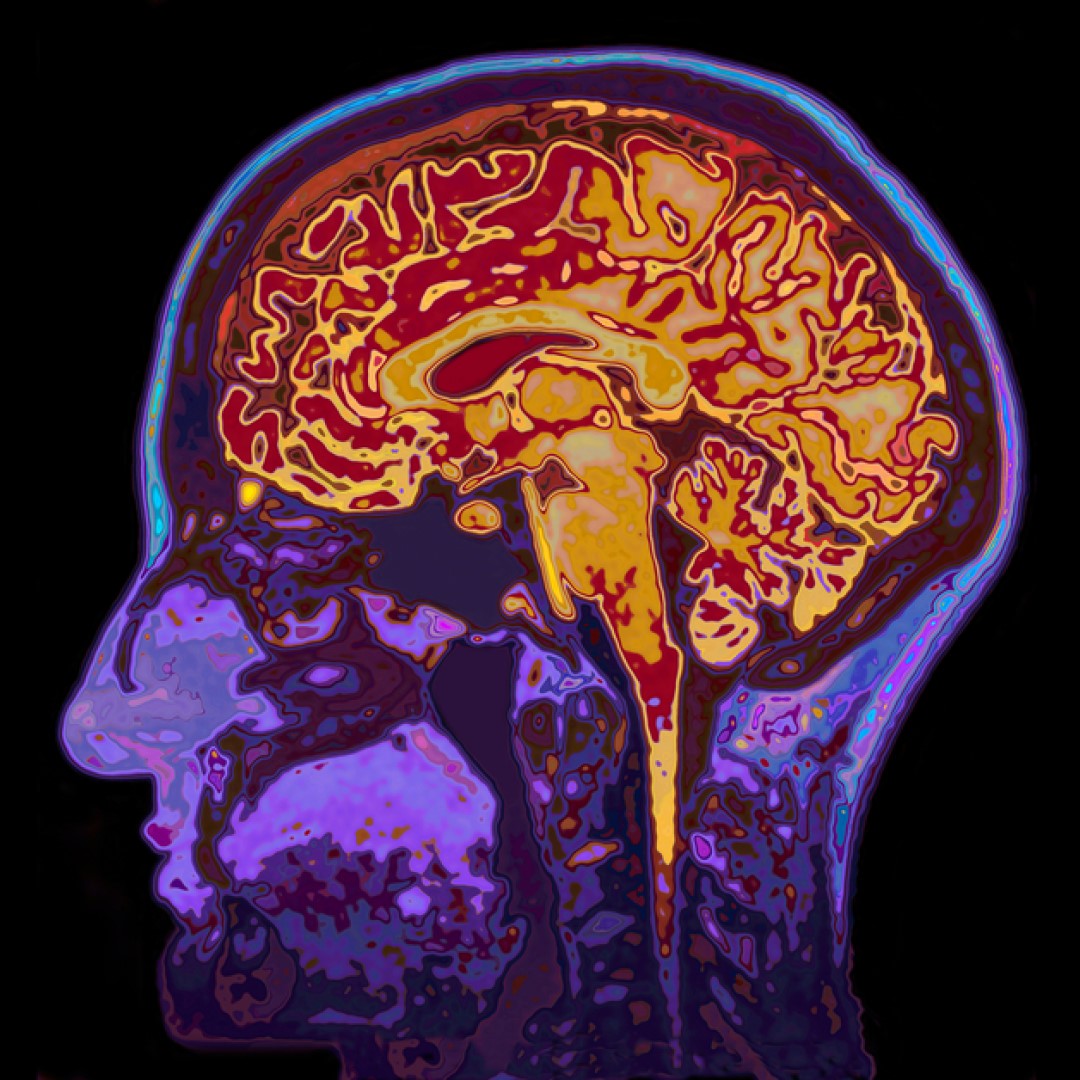
Penn Medicine researchers received $9.7 million grant from the NIH to study traumatic brain injuries and neurodegeneration
On Oct. 24, 2019, an international team of experts led by researchers in the Perelman School of Medicine at the University of Pennsylvania and University of Glasgow was awarded a $9.7 million, five-year grant from the National Institute of Neurological Disorders and Stroke (NINDS) and National Institute for Aging (NIA) to establish CONNECT-TBI—a program spanning 12 institutions that will study traumatic brain injury (TBI) and related neurodegenerative diseases.
In the past decade, there has been increased concern and awareness regarding the late effects of TBI, specifically, the association between repetitive head impacts in contact sports and the risk of chronic traumatic encephalopathy (CTE) and related dementia. However, other forms of progressive neuropathologies have been observed after TBI, prompting the CONNECT-TBI team to coin an umbrella term, TBI-related neurodegeneration, or “TReND,” of which CTE is one subtype.
The progressive changes in TReND are found in the brains of people who have suffered repeated concussions and in some individuals with a history of a single severe traumatic brain injury. Symptoms of TReND are comparable to other neurodegenerative conditions such as Alzheimer’s disease (AD) and include memory loss, confusion and depression. However, much about TReND remains unknown. While an estimated five to 10 percent of AD and AD-related dementias (ADRD) are thought to result from these types of brain injuries, the field’s understanding of the mechanisms and processes of TReND is still in its infancy.
To improve knowledge of TReND, CONNECT-TBI formed as a “center without walls”—a network of brain banks linked to comprehensive datasets of TBI and AD/ADRD cases. Penn serves as the home institution for the program, which combines expertise and archives from 12 institutions and 26 investigators.
The team analyzed the clinical data from the TBI and AD/ADRD cases, including diagnoses of amnestic mild cognitive impairment and various forms of dementia. Furthermore, the program established tissue donation protocols for ongoing sample enrollment.
Tags:
Source: Penn Medicine
Credit: