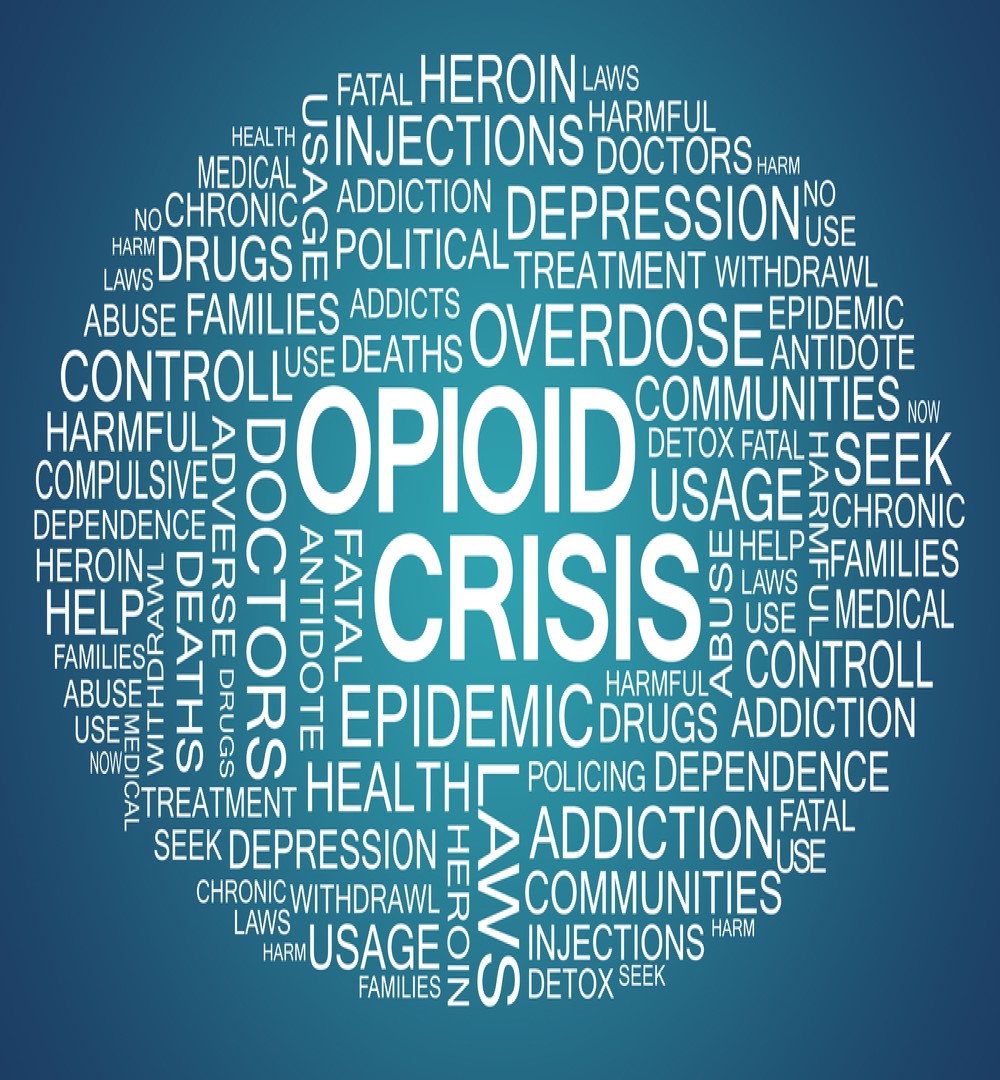
Penn Medicine received $22 million from NIH HEAL Initiative to combat the national opioid crisis
On Oct. 4, 2019, the National Institutes of Health (NIH) announced awards from the Helping to End Addiction Long-term Initiative (NIH HEAL Initiative), which was launched in April 2018 to improve prevention and treatment strategies for opioid misuse and addiction and enhance pain management. Through this initiative, Penn Medicine has been awarded five grants totaling more than $22 million to apply scientific solutions to reverse the national opioid crisis.
A team lead by David Mandell, professor of psychiatry and director of the Center for Mental Health, Kyle Kampman, professor of psychiatry and director of the Charles O’Brien Center for the Treatment of Addictions, and Hillary R. Bogner, associate professor of familymedicine and community health, is receiving a $11.2 million grant from the initiative.
Their team will study the treatment of opioid use disorder (OUD) and psychiatric disorders in the primary care setting with a collaborative care model. The collaborative care model places licensed clinical social workers specially trained in mental health care in primary care offices. These experts will work with 39 primary care practices in Philadelphia, their primary care physicians and psychiatrists to proactively identify, assess and direct patients to treatment options as needed during their appointments.
Other grant recipients include:
Laura M. Dember, professor of medicine in renal-electrolyte and hypertension and epidemiology, was awarded a $5.5 million grant from the NIH HEAL Initiative.
Dr. Farrar was also awarded a $931,000 grant from the NIH HEAL Initiative. The Hospital of the University of Pennsylvania and six additional Penn Medicine centers will serve as Specialized Clinical Centers—or “hubs”—for the NIH’s Early Phase Pain Investigation Clinical Network (EPIPIC-Net).
Drs. Kampman and George E. Woody, a professor in the department of psychiatry, have been awarded $4 million from the NIH to study a path towards improving the success of opioid detoxification, focusing on a transition to extended-release injectable naltrexone (XR-NTX), a medication that reduces opioid relapse and overdose risk.
A team led by Dylan Tisdall, research assistant professor of radiology, and Allyson Mackey, assistant professor of psychology, was awarded a $550,000 grant from the initiative.
Tags:
Source: Penn Medicine
Credit: