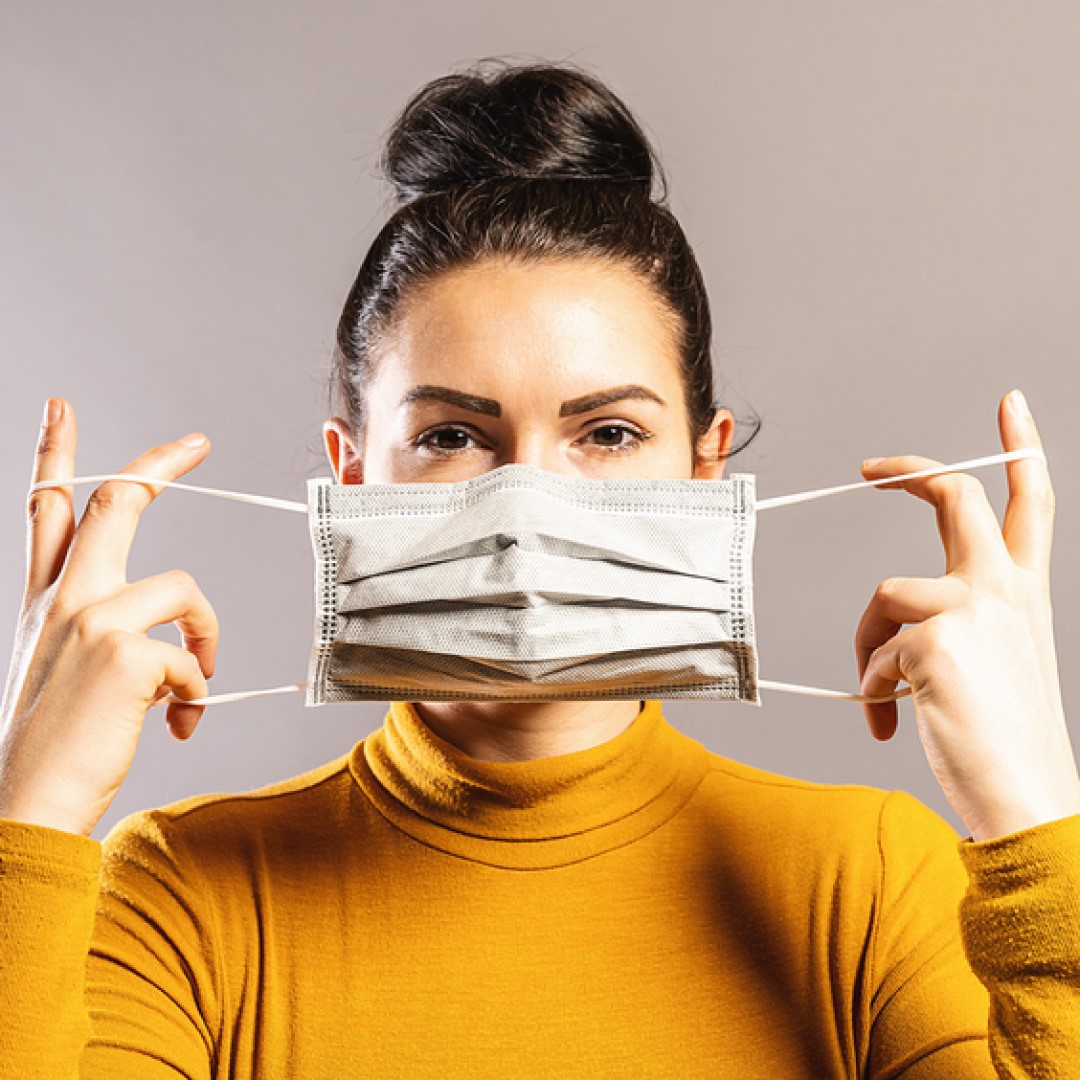
Oxford COVID-19 study reported face masks work, call for immediate adoption
On Jul. 8, 2020, a study from Oxford’s Leverhulme Centre for Demographic Science reported that cloth face coverings, even homemade masks made of the correct material, are effective in reducing the spread of COVID-19 – for the wearer and those around them.
Professor Melinda Mills, Director of the Leverhulme Centre and author of the study, says, ‘The evidence is clear that people should wear masks to reduce virus transmission and protect themselves, with most countries recommending the public to wear them. Yet clear policy recommendations that the public should broadly wear them has been unclear and inconsistent in some countries such as England.’
The evidence is clear that people should wear masks to reduce virus transmission and protect themselves, with most countries recommending the public to wear them. Yet clear policy recommendations that the public should broadly wear them has been unclear and inconsistent in some countries such as England
Professor Mills’ team found that, after the WHO announced the pandemic in mid-March, some 70 countries immediately recommended mask wearing. But more than 120 now require mask wearing – most, everywhere in public.
Asian countries that had previous experiences of the SARS outbreak experienced early and virtually universal mask usage. But, says Professor Mills, many other countries have seen a reversal of behaviour. She maintains, ‘There is a general assumption that countries such as the UK, which have no culture or history of mask wearing, will not rapidly adopt them. But this just doesn’t hold when we look at the data. As of late April, mask-wearing was up to 84% in Italy, 66% in the US and 64% in Spain, which increased almost immediately after clear policy recommendations and advice was given to the public.’
Crucially, the report also finds that wearing a cotton mask protects the mask wearer as well – combining all research on cloth masks in a new meta-analysis. But the report finds that face covering policy has been impacted by a lack of clear recommendations, likely because of an ‘over-reliance on an evidence-based approach and assertion that evidence was weak due to few conclusive RCT (randomized control trial) results in community settings, discounting high quality non-RCT evidence’.
Barriers to wearing face masks were also isolated as paramount including lack of supply of surgical masks and perceived competition with medical resources, resource constraints to obtain coverings and concerns about the comfort and fit of wearing them.
Tags:
Source: University of Oxford
Credit: