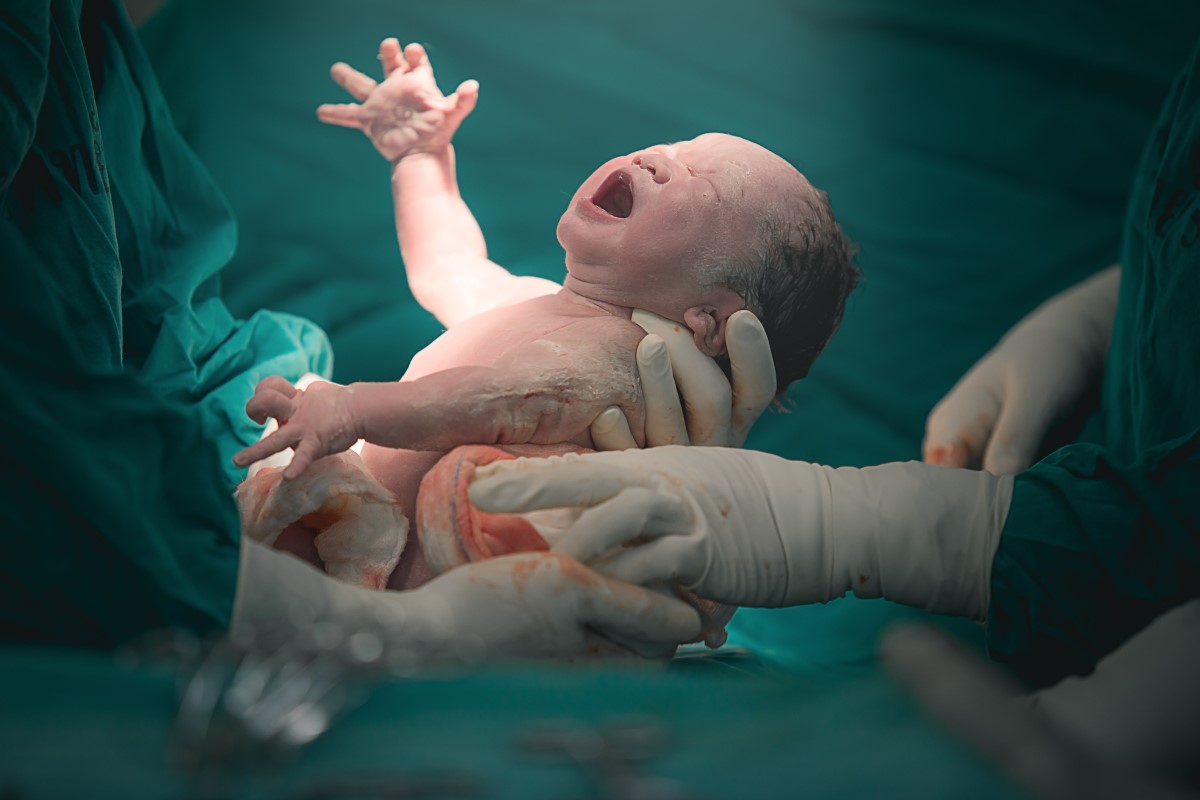
One stillbirth occurs every 16 seconds, according to first ever joint UN estimates
On Oct. 8, 2020, UNICEF, World Health Organization (WHO), the World Bank Group and the Population Division of the United Nations Department of Economic and Social Affairs reported that almost 2 million babies are stillborn every year – or 1 every 16 seconds – according to the first ever joint stillbirth estimates.
The vast majority of stillbirths, 84 per cent, occur in low- and lower-middle-income countries, according to the new report, A Neglected Tragedy: The Global Burden of Stillbirths. In 2019, 3 in 4 stillbirths occurred in sub-Saharan Africa or Southern Asia. A stillbirth is defined in the report as a baby born with no signs of life at 28 weeks of pregancy or more.
The report also notes that stillbirth is not only a challenge for poor countries. In 2019, 39 high-income countries had a higher number of stillbirths than neonatal deaths and 15 countries had a higher number of stillbirths than infant deaths. A mother’s level of education is one of the greatest drivers of inequity in high-income countries.
In both low- and high-income settings, stillbirth rates are higher in rural areas than in urban areas. Socioeconomic status is also linked to greater incidence of stillbirth. For example, in Nepal, women of minority castes had stillbirth rates between 40 to 60 per cent higher than women from upper-class castes.
Ethnic minorities in high-income countries, in particular, may lack access to enough quality health care. The report cites that Inuit populations in Canada, for example, have been observed to have stillbirth rates nearly three times higher than the rest of Canada, and African American women in the United States of America have nearly twice the risk of stillbirth compared to white women.
Tags:
Source: World Health Organization
Credit: