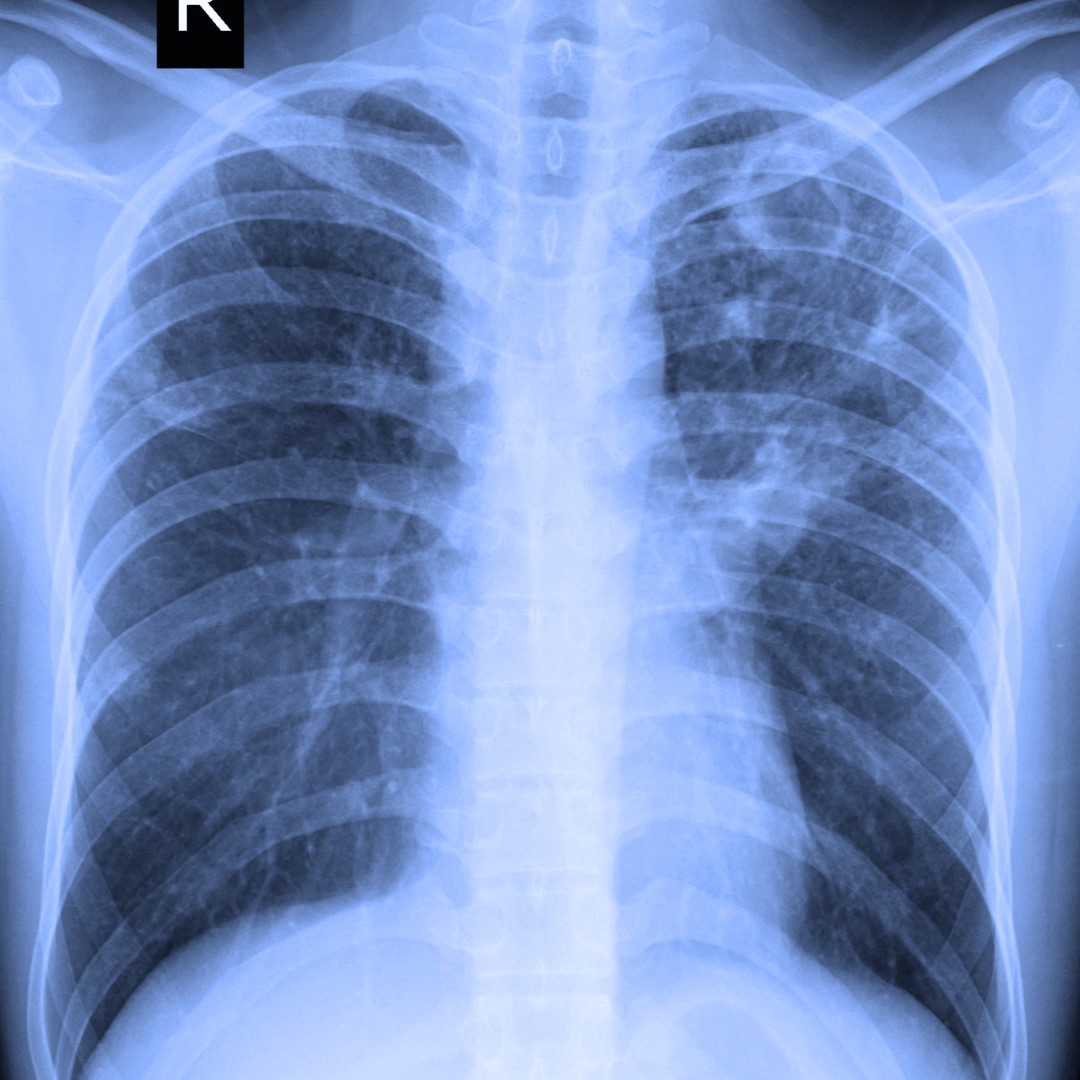
NIH study illuminated origins of lung cancer in never smokers
On Sept. 6, 2021, a genomic analysis of lung cancer in people with no history of smoking has found that a majority of these tumors arise from the accumulation of mutations caused by natural processes in the body. This study was conducted by an international team led by researchers at the National Cancer Institute and described for the first time three molecular subtypes of lung cancer in people who have never smoked.
These insights will help unlock the mystery of how lung cancer arises in people who have no history of smoking and may guide the development of more precise clinical treatments. The findings were published in Nature Genetics.
In this large epidemiologic study, the researchers used whole-genome sequencing to characterize the genomic changes in tumor tissue and matched normal tissue from 232 never smokers, predominantly of European descent, who had been diagnosed with non-small cell lung cancer. The tumors included 189 adenocarcinomas (the most common type of lung cancer), 36 carcinoids, and seven other tumors of various types. The patients had not yet undergone treatment for their cancer.
The researchers combed the tumor genomes for mutational signatures, which are patterns of mutations associated with specific mutational processes, such as damage from natural activities in the body (for example, faulty DNA repair or oxidative stress) or from exposure to carcinogens. Mutational signatures act like a tumor’s archive of activities that led up to the accumulation of mutations, providing clues into what caused the cancer to develop. A catalogue of known mutational signatures now exists, although some signatures have no known cause. In this study, the researchers discovered that a majority of the tumor genomes of never smokers bore mutational signatures associated with damage from endogenous processes, that is, natural processes that happen inside the body.
As expected, because the study was limited to never smokers, the researchers did not find any mutational signatures that have previously been associated with direct exposure to tobacco smoking. Nor did they find those signatures among the 62 patients who had been exposed to secondhand tobacco smoke. However, Dr. Landi cautioned that the sample size was small and the level of exposure highly variable.
Tags:
Source: National Institutes of Health
Credit: