New York State Department of Health Launches Measles Dashboard
On Sept. 15, 2026, the New York State Department of Health announces the launch of its new Measles Dashboard, allowing the public and healthcare officials to track local health risks and raise awareness about measles. The Department is also alerting the public and healthcare providers to an increase in measles cases in the Capital, Central and Western regions of the state, and encouraging all New Yorkers to ensure they are up to date on required immunizations.
As of September 12, there have been six confirmed cases in New York City and 51 in New York State outside of NYC (Rest of State) for 57 total cases this year, amid a global and domestic increase in measles cases. There have been a growing number of cases in upstate New York, including cases associated with both local transmission and domestic travel.
The Department is working with county health departments and local partners to closely monitor and investigate all reported cases, and provide the measles, mumps and rubella vaccine to any unvaccinated individuals who request it. Monitoring and investigation activities, such as contact tracing, are ways public health officials work to keep affected communities safe from the spread of infectious diseases. Anyone who is contacted during these activities is encouraged to be responsive so that important information can be shared to prevent more infections.
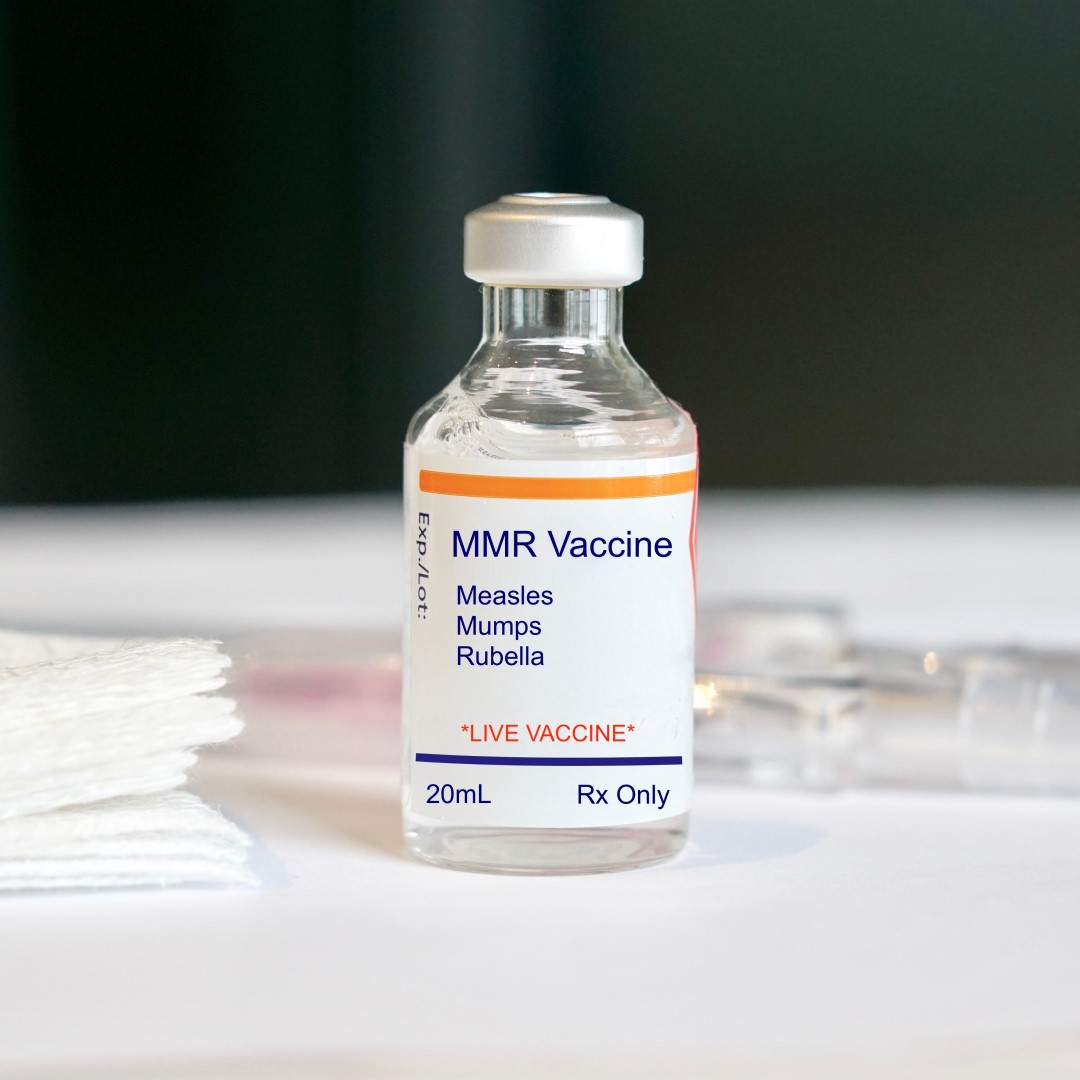
All New Yorkers are urged to protect themselves by making sure they are up to date on their measles, mumps, and rubella (MMR) vaccines and be aware of health advisories when traveling with unvaccinated individuals, especially young children. Infants 6 to 11 months old can receive an early dose of the MMR vaccine for protection before travel or if they are otherwise at risk of being exposed.
Measles is a highly contagious, serious respiratory disease that causes rash and fever. In some cases, measles can reduce the immune system’s ability to fight other infections like pneumonia.
Measles is caused by a virus that is spread by coughing or sneezing into the air. Individuals can catch the disease by breathing in the virus or, less commonly, by touching a contaminated surface, then touching the eyes, nose, or mouth.
Serious complications of measles include hospitalization, pneumonia, miscarriage, preterm birth, brain swelling, immune amnesia and death. Long-term serious complications can also include subacute sclerosing panencephalitis, a brain disease resulting from an earlier measles infection that can lead to permanent brain damage years after the initial infection.
Tags:
Source: New York State Department of Health
Credit: