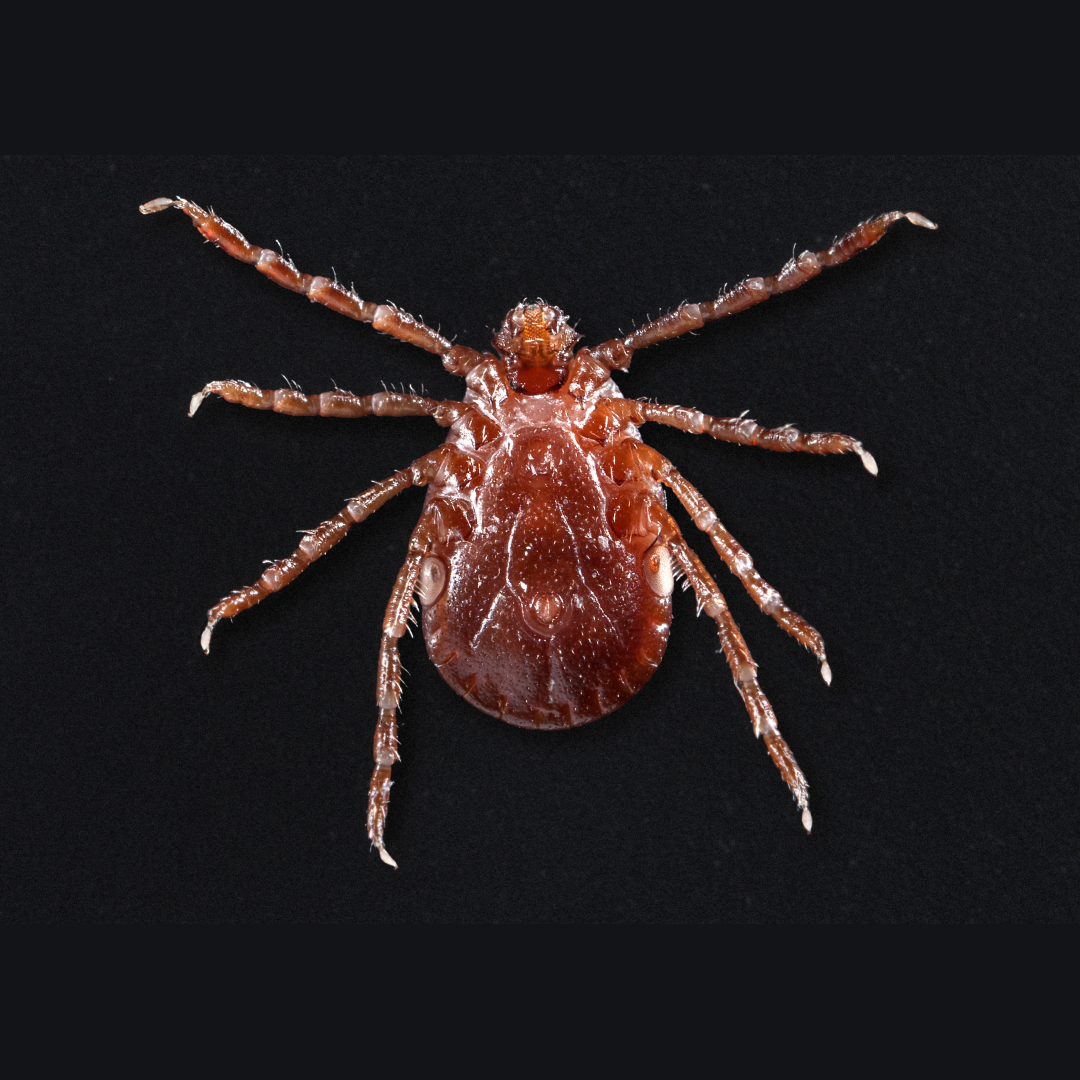
New virus uncovered in China – increased threat of tick-borne diseases
On Oct. 11, 2024, researchers in China published a study that provided details about a new wetland virus. The virus was first identified in 2019, after a patient, bitten by a tick while visiting a wetland park in Inner Mongolia, was admitted to hospital with symptoms of fever, headache and vomiting that progressed to multiple organ dysfunction.
Ticks are responsible for spreading over 25 human and animal diseases. While you may be familiar with some of these – such as Lyme disease – there are many others you’ve probably never heard of, including some that have been discovered only in the past few years, such as wetland virus.
To understand the cause of the patient’s illness, the researchers sequenced the genetic material extracted from a blood sample to find the virus responsible for the disease. They found a previously unknown virus – a close relative of other tick-transmitted viruses, including the dangerous Crimean–Congo haemorrhagic fever virus, which has a 30% mortality rate. Wetland virus is a member of the orthonairovirus genus in the Nairoviridae family.
The research team then screened other patients from across north-eastern China who had developed an acute fever within one month of a tick bite. This led to them identifying another 17 cases of wetland virus infection – confirming the virus was well established in the region. Next, the team carried out a large-scale ecological survey to understand the source of wetland virus. They looked at ticks, as well as livestock and wild animals living in the region, as animals often play an important role in the spread of tick-borne pathogens. They found some sheep, pigs and horses were infected, suggesting livestock could be reservoirs for wetland virus.
So far, wetland virus has only been found in north-eastern China. However, the tick species implicated in transmitting it has a much wider distribution across Europe and Asia, so it’s likely the virus is far more widespread. Surveys of ticks and livestock, and even patients with unexplained fever, elsewhere in Asia and in Europe could confirm this.
Tags:
Source: The Conversation
Credit: