New study explores potential cross-species spread of chronic wasting disease
On May 28, 2026, In a newly published study in Science Advances, researchers from the University of Calgary and collaborators around the world explored the zoonotic potential of CWD in controlled laboratory settings. While most animals remained asymptomatic, researchers detected low levels of prions in their tissues and transferred samples to other species that developed symptoms of CWD.
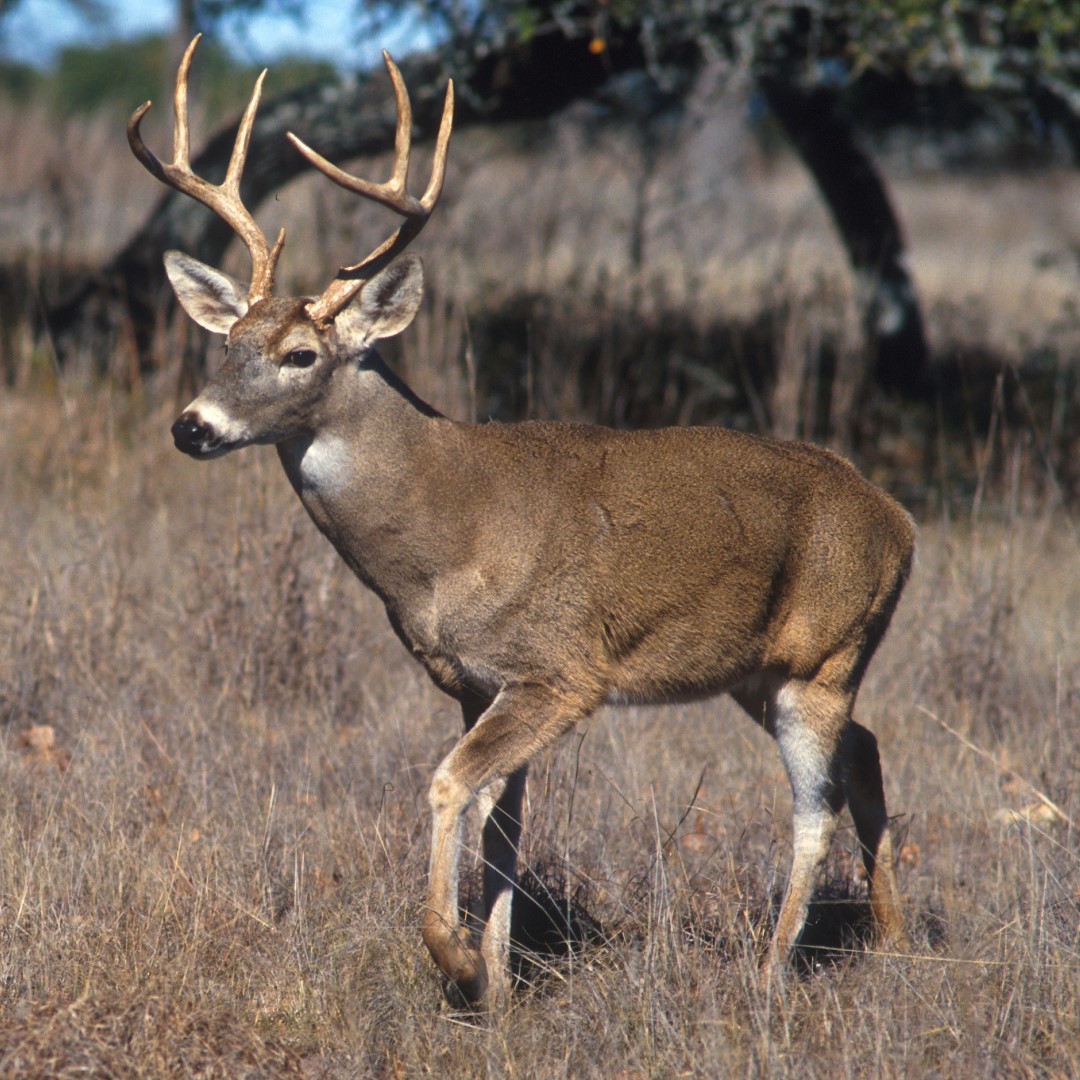
hronic wasting disease (CWD) is generally associated with animals. But a new study by researchers from the University of Calgary and international collaborators explored the potential for CWD to spread from deer, elk and other cervid (hooved, plant-eating) animals to other species.
There has never been a confirmed case of CWD in humans. However, researchers say the findings reinforce the need for continued surveillance and research as the disease expands geographically.
Caused by infectious proteins known as prions, CWD, a fatal neurological illness, continues to spread across North America, including growing regions of Alberta. Prions are unusual infectious agents because they can change and adapt as they move between hosts, potentially giving rise to new strains with different biological properties.
“We’re not dealing with a single, fixed agent,” says Dr. Hermann Schaetzl, MD, Dr. med, UCVM professor and last author on the study. “Prion strains can evolve, and that evolution can influence how the disease behaves.” Researchers say this variability makes prion diseases especially difficult to predict and control.
CWD also spreads in ways that make containment challenging. Infected animals can carry and shed infectious prions into the environment for months or even years before showing symptoms, contaminating soil and vegetation through urine and feces.
Researchers at UCalgary are also investigating ways to slow transmission in cervid populations. Recent vaccine studies in mouse models designed to mimic infection in deer and elk showed promising early results, with vaccinated animals shedding fewer infectious prions during early and late stages of disease and surviving longer after exposure.
Tags:
Source: University of Calgary
Credit: