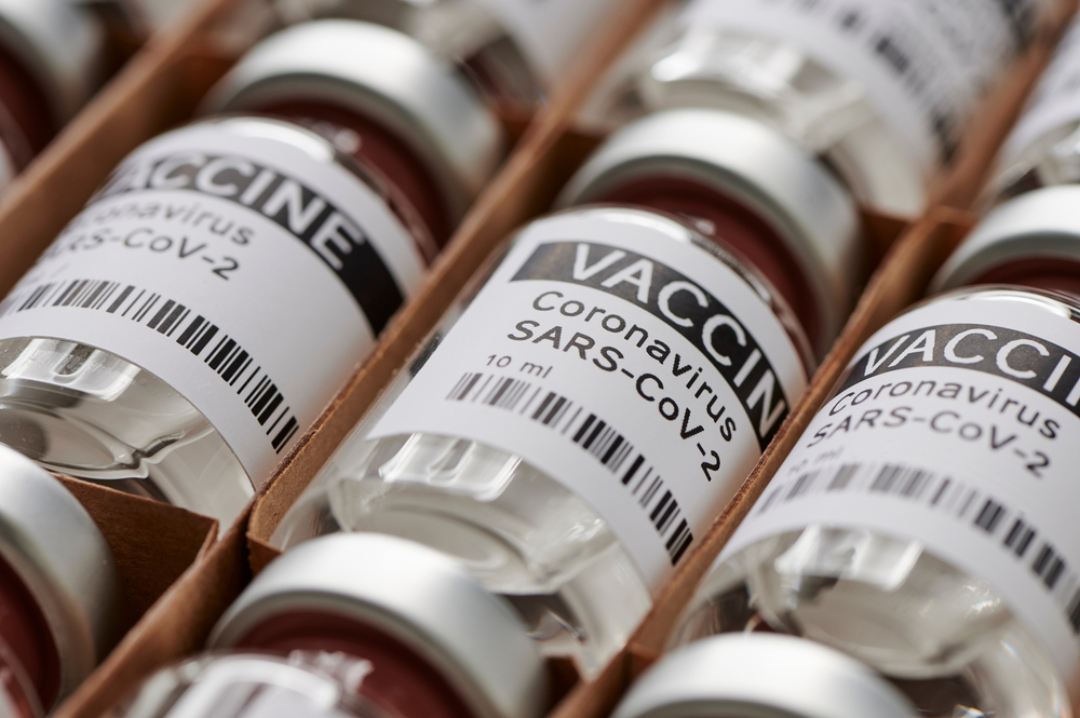
National Academies reported COVID-19 vaccines don’t cause many potential harms
On Apr. 16, 2024, the National Academies of Sciences, Engineering, and Medicine reported that the COVID-19 vaccines made by Pfizer-BioNTech and Moderna do not cause such conditions as female infertility, myocardial infarction, Bell palsy, or Guillain-Barre syndrome in adults. The study reviewed evidence for potential harms for 19 conditions associated with these vaccines. There was not enough evidence involving children to draw conclusions about possible harms.
The committee that conducted the review identified sufficient evidence to draw 20 conclusions about whether these vaccines could cause specific harms, and drew 65 conclusions where it did not find enough evidence to establish, accept, or reject a causal relationship.
The Health Resources and Services Administration requested that the National Academies convene a committee to review the evidence regarding specific potential harms related to the COVID-19 vaccines used in the United States, for which HRSA had received claims for compensation under its Countermeasures Injury Compensation Program (CICP).
As part of “Operation Warp Speed,” a rapid response by the federal government to speed vaccine development during the COVID-19 pandemic, four vaccines were developed and authorized for emergency use in the U.S., with some now fully approved by the Food and Drug Administration. COVID-19 vaccines are estimated to have prevented 14.4 million deaths worldwide in the first year they were available.
The report concludes that two messenger ribonucleic acid (mRNA) vaccines, manufactured by Pfizer-BioNTech and Moderna, can cause myocarditis — inflammation of the heart muscle. Evidence suggests the two mRNA vaccines do not cause infertility, Guillain-Barré syndrome, Bell’s palsy, thrombosis with thrombocytopenia syndrome (TTS), or myocardial infarction (heart attack). Evidence also suggests the Pfizer-BioNTech vaccine does not cause ischemic stroke.
Tags:
Source: National Academies of Sciences, Engineering, and Medicine
Credit: