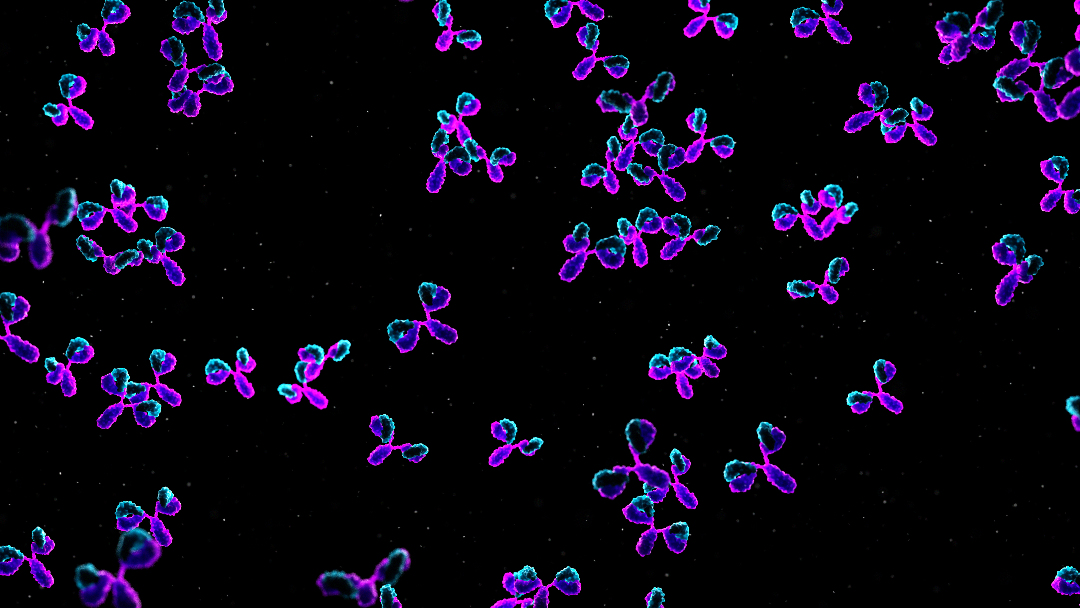
Nanoparticles sneak antibodies into cells to inhibit cancer, inflammation
On Jun. 23. 2026, scientists at Cornell University announce discovering a delivery system that uses lipid nanoparticles to sneak proteins into cells can accomplish the same feat with smuggling therapeutic antibodies.
The platform, reported in the Proceedings of the National Academy of Sciences, was demonstrated to inhibit cancer cells, lung inflammation and Parkinson’s disease. The lead author is Azmain Alamgir, Ph.D. ’24, currently a postdoctoral researcher at the Massachusetts Institute of Technology.
The initial technology grew out of a collaboration between the paper’s co-senior authors, Chris Alabi, the Fred H. Rhodes Professor of Chemical Engineering and Matt DeLisa, the William L. Lewis Professor of Engineering, both in the Cornell Duffield College of Engineering.
Alabi and DeLisa originally sought to combine their expertise in intracellular delivery of biologics and designing protein-based therapeutics, respectively. In 2024, they unveiled a generalizable technique to “cloak” proteins by remodeling their surfaces with a negatively charged ion, which enabled the proteins to electrostatically join with positively charged lipid nanoparticles – basically tiny bubbles of fat. The nanoparticles then smuggled their cumbersome cargo into living cells. Once inside, the proteins uncloak and exert their therapeutic effect, where it can have the greatest impact.
“Therapeutic antibodies have transformed medicine, with several FDA-approved antibody drugs now targeting diseases from cancer to autoimmune conditions,” Alabi said. “But nearly every one of them works on targets that sit outside the cell, primarily because a 150-kilodalton antibody simply cannot cross the cell membrane on its own. Our technology changes that equation. For the first time, we can take clinically validated antibodies and deliver them to targets that are in the cell, where many of the most compelling disease drives actually reside.”
Tags:
Source: Cornell Chronicle
Credit: