Multi-year, 1143-patient genetic study identified unique types of multiple myeloma
On Aug. 19, 2024, an international team of scientists led by researchers from the Translational Genomics Research Institute (TGen) announced an unprecedented effort to sequence the genome, exome and RNA in tumors from patients with multiple myeloma defines distinct subtypes of the disease.
The findings of the 12-year observational study provided a clearer picture of the genetic changes that may be important in each subtype of this cancer of our antibody producing plasma cells, which is treatable but incurable. This information could help guide more personalized treatments in the future. The study results were published in Nature Genetics.
The scientists identified the genetic basis for a high-risk patient population, named “PR”, that is associated with a median survival of under two years compared to the average survival in the study that exceeds eight years. About 25 percent of patients transitioned to the PR subtype during the study, and those who transitioned to PR had worse outcomes, with a median survival of 88 days after the transition.
The Multiple Myeloma Research Foundation (MMRF) Relating Clinical Outcomes in Multiple Myeloma to Personal Assessment of Genetic Profile (CoMMpass) study included 1143 patients from 84 clinical sites located in the United States, Canada, Spain and Italy, enrolled between 2011 and 2015 and followed patients for at least 8 years after diagnosis. It is the largest single sequencing study of multiple myeloma patients to date, based on the number of patients and the number of sequencing assays performed.
TGen is building on this pioneering work to bring personalized medicine to multiple myeloma patients by launching clinical-grade whole genome sequencing in the TGen Clinical Lab. This test will provide patients and their care team with a complete picture of the genetics of each tumor along with prognostic information and therapeutic recommendations within 48 hours.
Tags:
Source: Translational Genomics Research Institute (TGen)
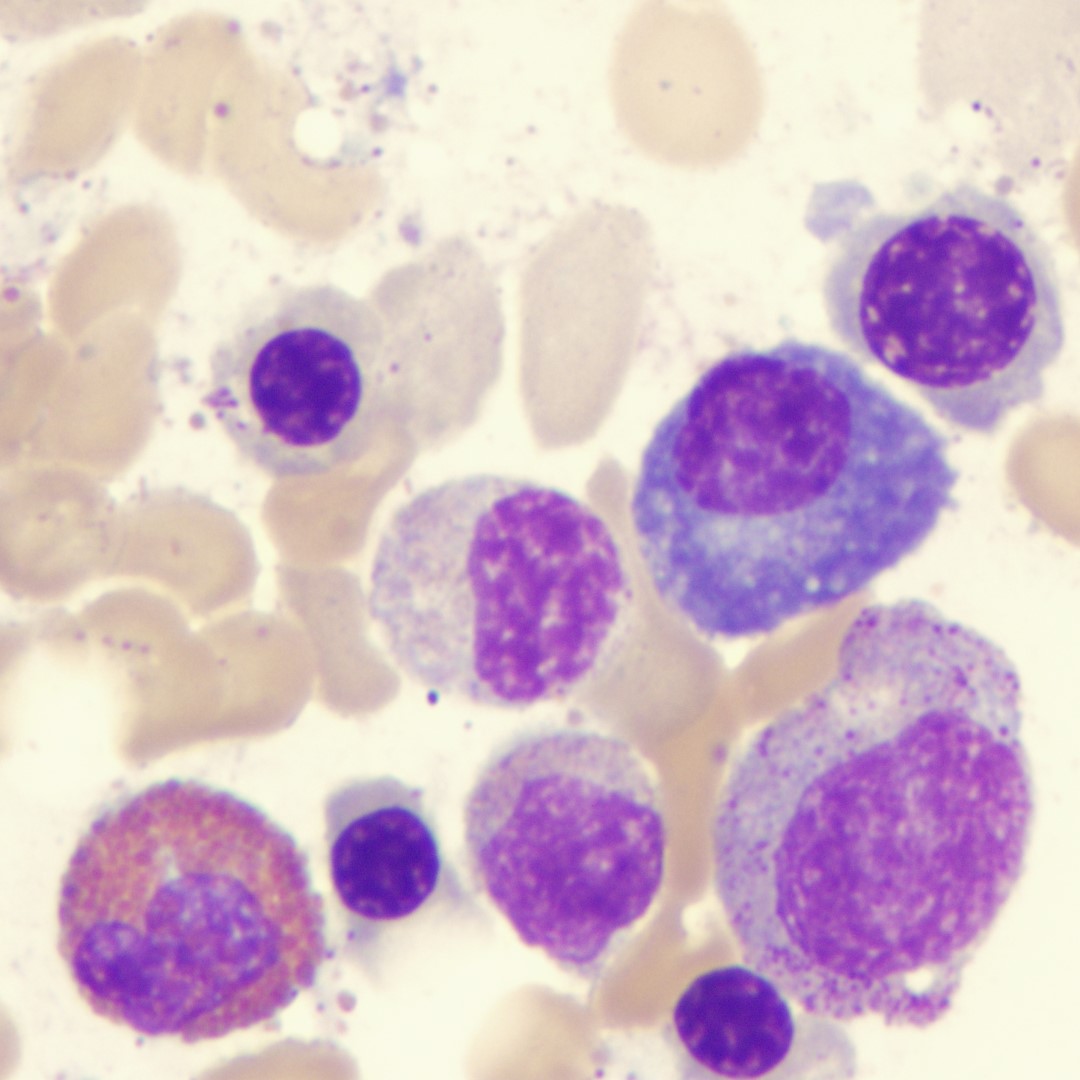
Credit: Image: Multiple myoloma smear preparation of bone marrow aspirate stained with May-Grünwald-Giemsa procedure, courtesy Wikipedia.