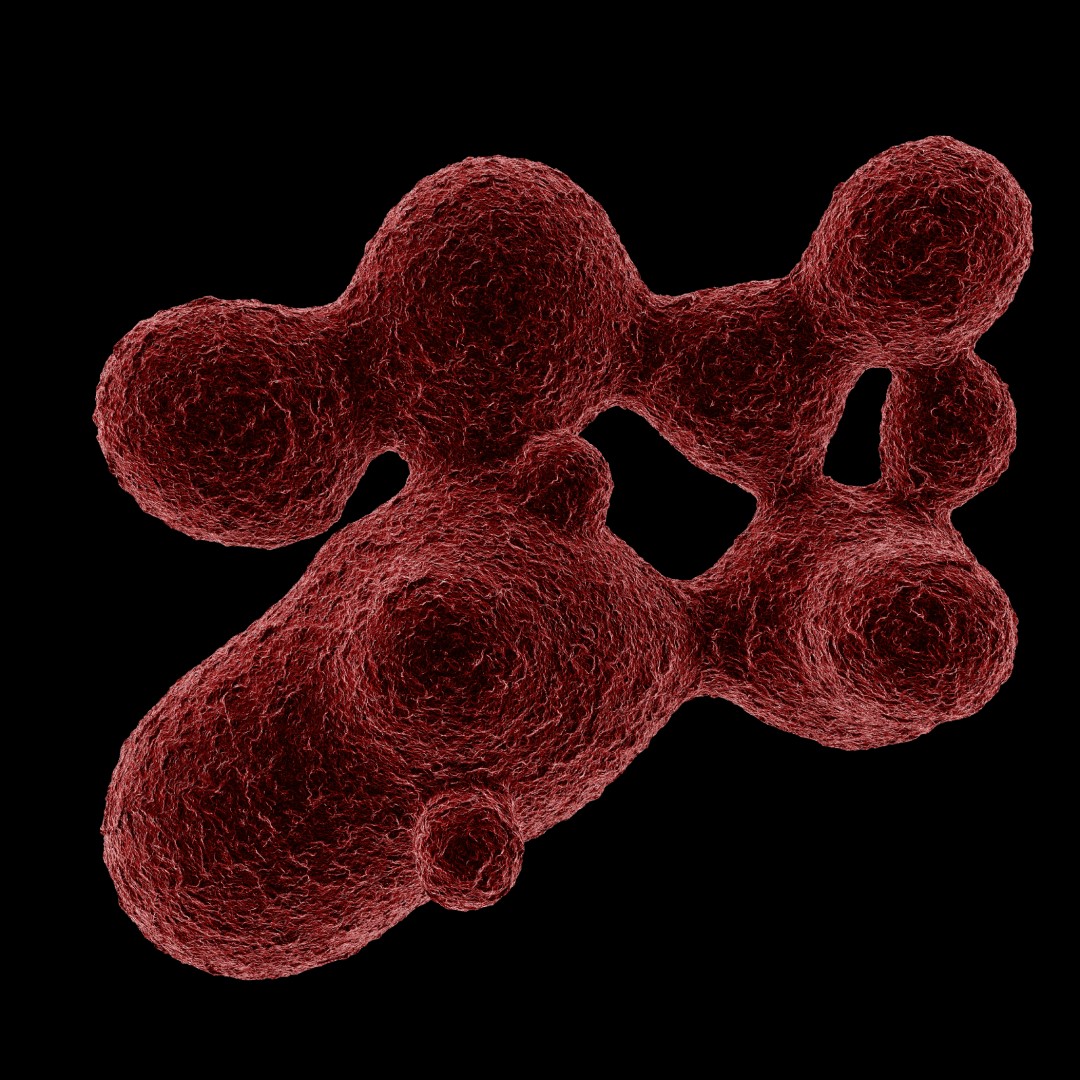
MIT engineers find a precise way to grow artificial blood vessels
On Jul. 14, 2026, Massachusetts Institute of Technology (MIT) engineers announced they have found they can engineer and control the growth of blood vessels by mechanically stretching them.
Tissue engineers are finding ways to grow living organs and tissues from cells, with the aim of replacing diseased and damaged counterparts in the body. Scientists have successfully grown artificial muscles, livers, kidneys, skin, and other tissues. But there’s been no reliable way to engineer precisely patterned networks of blood vessels, some of which can be finer than a human hair. Without a vascular network to deliver nutrients, any artificial tissues, no matter how life-like, can’t function.
Now MIT engineers have found they can engineer and control the growth of blood vessels by mechanically stretching them.
The team has built a human “blood vessel on a chip,” composed of a central artery made from human endothelial cells, that is embedded in a gel that also contains a small magnet. The researchers studied how the main artery responded as they jostled the gel back and forth using an external magnet to move the magnet embedded within the gel.
They found that the simple mechanical action of repeatedly jostling the artery stimulated the artery to sprout other, smaller capillaries. By changing the direction in which the artery is jostled or stretched, the researchers could redirect the growing new vessels. And stretching the artery by various degrees influenced how many more new vessels sprouted.
Their results, reported in the Proceedings of the National Academy of Sciences, offer scientists a new way to engineer artificial blood vessels and program the patterns in which they grow.
Now that the team has found a way to grow and control blood vessel growth, they plan to apply the protocol to grow organized networks of vessels to supply artificial organs and tissues. “We are now investigating how precisely patterning blood vessel growth can help improve muscle function,” says co-author Jessica Shah.
Tags:
Source: Massachusetts Institute of Technology
Credit: