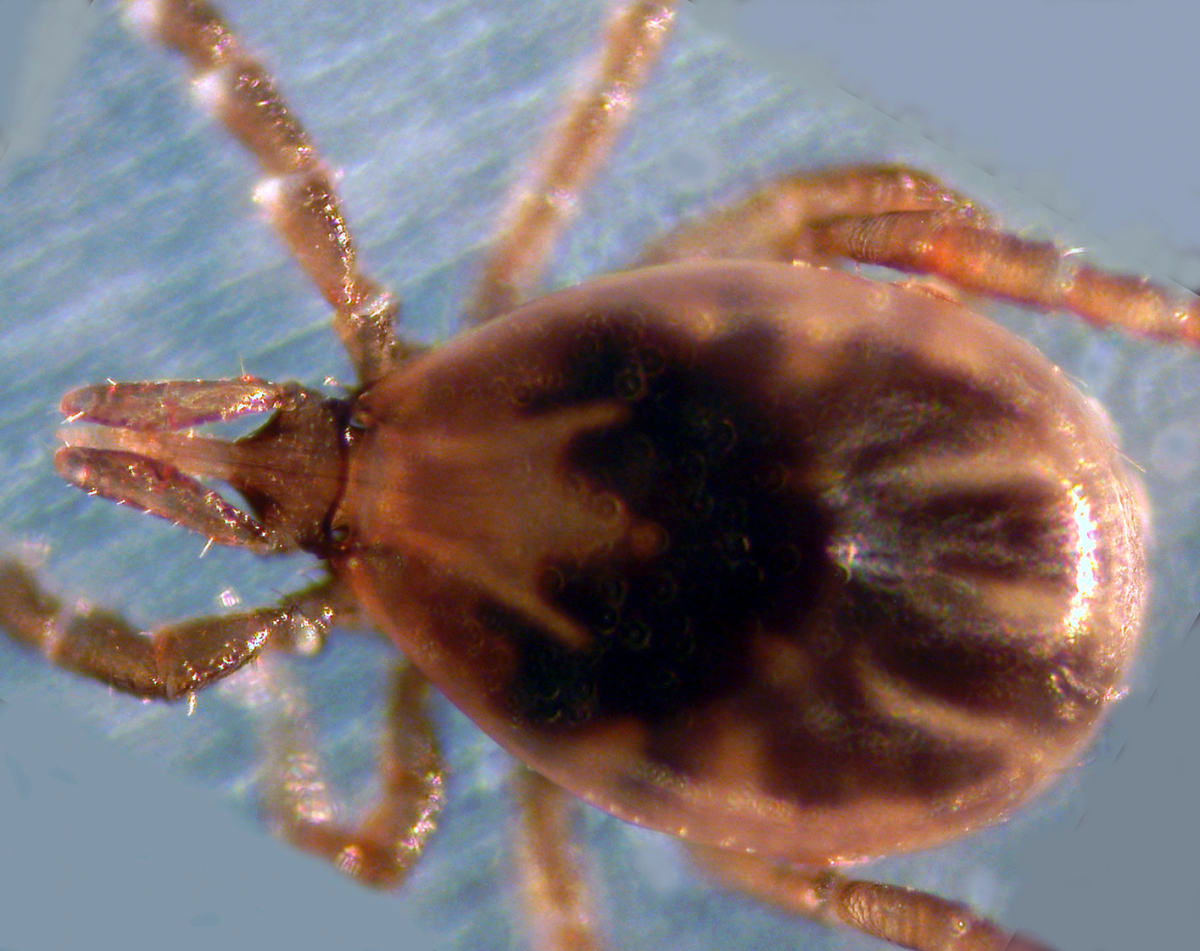
Lyme Disease Rewrites the Body’s Immune Response
On Nov. 19, 2026, new study led by researchers at Tufts University School of Medicine suggests that infection with Borrelia burgdorferi, the bacterium that causes Lyme disease, can leave lasting changes in the immune system, even after the infection is treated. The changes occur in the bone marrow, where many of the body’s immune cells are made, potentially altering how the immune system responds to future threats.
The findings, published in iScience, offer new clues into how an infection might have effects that persist after the bacteria are gone. The researchers say the work ultimately could help identify biological markers associated with prolonged symptoms after Lyme disease and point to potential treatment targets.
To investigate the long-term effects of Lyme disease, the researchers used a mouse model to examine bone marrow cells after an infection, including in mice that subsequently received antibiotics. They found that Borrelia burgdorferi infection produced distinct epigenetic changes—chemical modifications that can influence which genes are turned on or off—in bone marrow cells.
The effects were particularly apparent in macrophages, immune cells produced in the bone marrow that serve as early responders to infection. Macrophages detect potential threats, surround invading microbes, and release chemical signals that summon other immune cells to attack the invaders.
Macrophages produced by mice previously exposed to Borrelia burgdorferi showed suppressed expression of genes involved in this inflammatory response for at least 15 weeks after infection. Notably, an altered immune response also was seen in mice that received antibiotics, suggesting that some changes can occur relatively early during infection and do not require a prolonged or ongoing bacterial illness.
The findings do not establish that these immune changes occur in people with Lyme disease or that they cause persistent symptoms. To determine whether the changes are relevant to human illness, the researchers next want to examine epigenetic markers in people after a Lyme disease infection.
Petnicki-Ocwieja will collaborate with co-author Linden Hu, the Paul and Elaine Chervinsky Professor of Immunology at the School of Medicine, to analyze immune cells circulating in blood from a large multi-institution study led by Tufts that follows patients for up to 15 months after a Lyme disease diagnosis. The researchers hope this work will help determine whether people who develop prolonged symptoms have different epigenetic patterns from those who recover without lasting symptoms.
Tags:
Source: TustsNow
Credit: