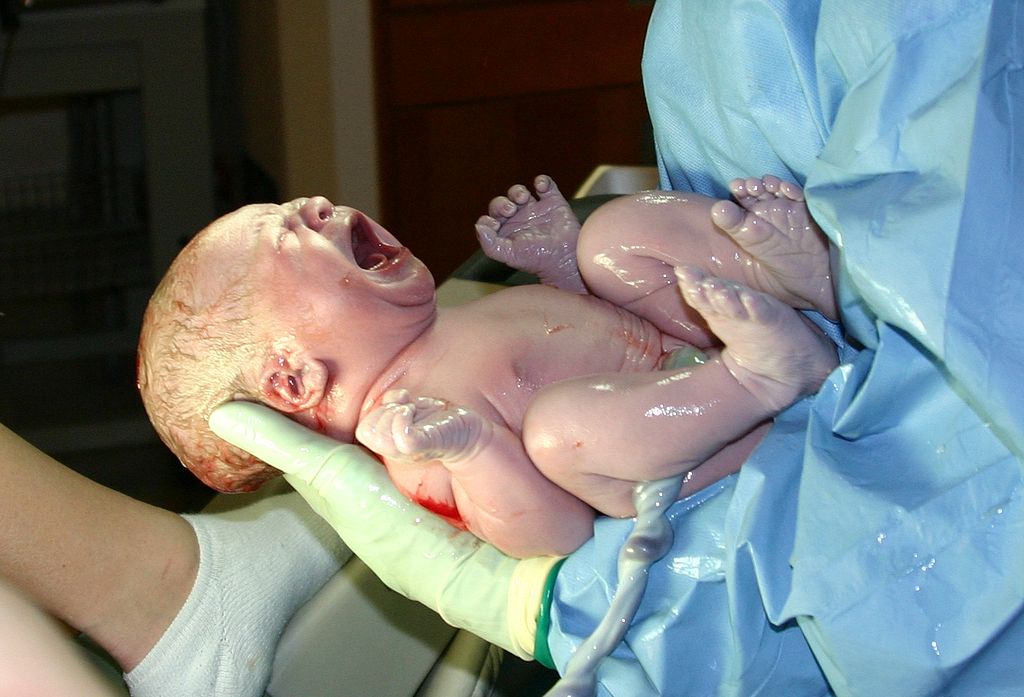
Late-pregnancy RSV vaccination not associated with poor birth outcomes
On Jul. 8, 2024, a study reported that babies exposed to maternal RSV (respiratory syncytial virus) vaccination in the third trimester are not at an increased risk of preterm birth or other poor birth outcomes. The study results were published in JAMA Network Open.
The US Food and Drug Administration approved Pfizer’s Abrysvo vaccine for use in women 32 to 36 weeks pregnant last August based on clinical trial results. Maternal vaccination in late pregnancy is meant to pass protective antibodies on to the newborn, but clinical trial results showing an increased risk in preterm birth shortened the recommended vaccination window from 24 to 36 weeks to 32 to 36 weeks.
Each year, RSV causes 80,000 hospitalizations and up to 300 deaths in children under age 5 in the United States. The Centers for Disease Control and Prevention recommends that pregnant women receive one RSV vaccine dose from September to January to protect infants against the virus.
The study found the vaccine to be safe and protective in a real-world setting, which included 1,026 vaccinated and 1,947 unvaccinated patients who received care at two New York City hospitals from September 22, 2023, to January 31, 2024. Preterm birth was defined as birth before 37 weeks’ gestation.
Sixty patients who had evidence of prenatal vaccination (5.9%) experienced preterm birth, compared with 6.7% of those who did not. There were no significant differences in rates of small-for-gestational-age (SGA) births or stillbirth, but there was an increased risk of overall hypertension disorders in pregnancy with RSV vaccination in a time-dependent model (hazard ratio, 1.43; 95% confidence interval, 1.16 to 1.77).
Tags:
Source: Center for Infectious Disease Research & Policy, University of Minnesota
Credit: