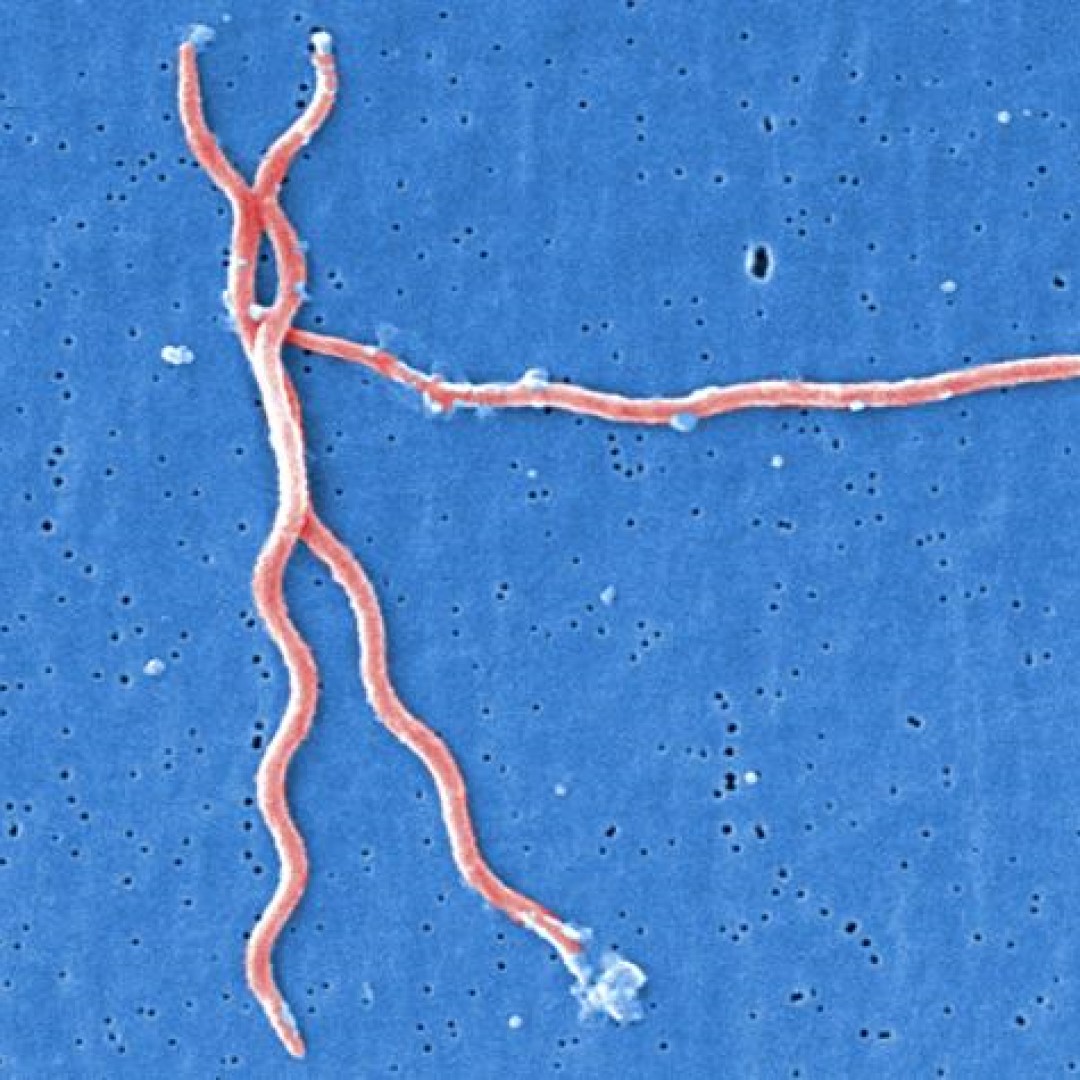
international team of scientists announced mapping complete genetic makeup of Lyme disease-causing bacteria
On Aug. 14, 2024, an international team of scientists announced they had sequenced the complete genomes of the Lyme disease bacteria – Borrelia. A genetic analysis of Lyme disease bacteria may pave the way for improved diagnosis, treatment and prevention of the tick-borne ailment.
By mapping the complete genetic makeup of 47 strains of Lyme disease-causing bacteria from around the world, the international team has created a powerful resource for identifying the specific bacterial strains that infect patients. Researchers said this could enable more accurate diagnostic tests and treatments tailored to the exact type or types of bacteria causing each patient’s illness.
Researchers said the genetic information uncovered in this study — which explains how the bacteria evolves and spreads and the genes are essential for survival — may help scientists develop more effective vaccines against Lyme disease.
Lyme disease is the most common tick-borne illness in North America and Europe, affecting hundreds of thousands of people a year. The disease arises from bacteria belonging to the Borrelia burgdorferi sensu lato group, which infect humans through the bite of infected ticks. Symptoms can include fever, headache, fatigue and a characteristic skin rash. If left untreated, the infection can spread to joints, the heart and the nervous system, causing more severe complications.
Case numbers are increasing steadily, with 476,000 new cases each year in the US, and may grow faster with climate change, the study authors said.
The research team sequenced the complete genomes of Lyme disease bacteria representing all 23 known species in the group. Most of these hadn’t been sequenced before this effort. The National Institutes of Health-funded project included multiple strains of the bacteria most commonly associated with human infections and species not previously known to cause disease in humans. By comparing these genomes, the researchers reconstructed the evolutionary history of Lyme disease bacteria, tracing the origins back millions of years. They discovered the bacteria likely originated before the breakup of the ancient supercontinent Pangea, explaining the current worldwide distribution.
The study also revealed how these bacteria exchange genetic material within and between species. This process, known as recombination, allows the bacteria to evolve rapidly and adapt to new environments. The researchers identified specific hot spots in the bacterial genomes where this genetic exchange occurs most frequently, often involving genes that help the bacteria interact with their tick vectors and animal hosts.
Tags:
Source: Rutgers University
Credit: