International team created first complete fruit fly cell atlas
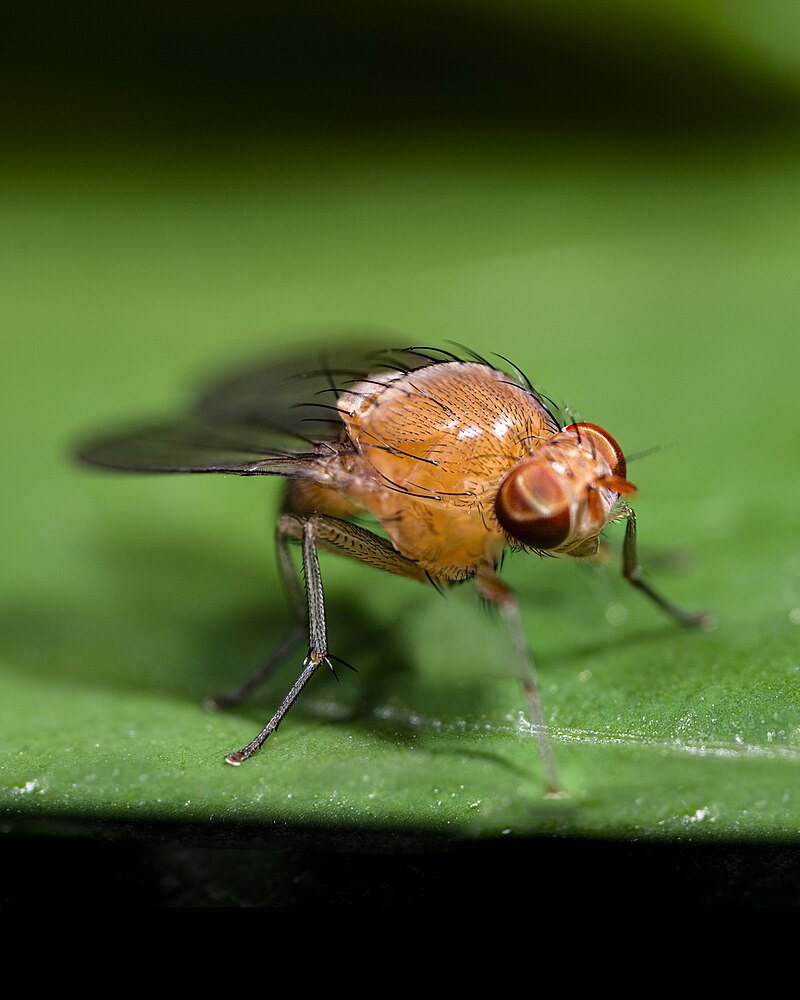
On Mar. 9, 2022, Harvard Medical School announced that an international research team had completed an atlas of every cell found in adult fruit flies, one of the most important animal models in science and medicine.
The vast dataset, named Tabula Drosophilae—for Drosophila melanogaster, the Latin name of the fruit fly—should help scientists uncover new insights into biology, genetics, and disease by delving deeper into how cells differ from one another, interact with their neighbors, form during embryonic development, and function in various tissues.
Described online Mar. 4 in Science, the atlas contains more than 580,000 cells representing more than 250 distinct cell types. Many of the cell types are characterized for the first time. Fruit flies have played a leading role in biological research for over a century, providing key insights into the basic workings of biological mechanisms such as genetics and developmental biology and playing vital roles in the development of treatments for cancer, immune diseases, diabetes, and more.
Fruit flies have played a leading role in biological research for over a century, providing key insights into the basic workings of biological mechanisms such as genetics and developmental biology and playing vital roles in the development of treatments for cancer, immune diseases, diabetes, and more.
The usefulness of fruit flies has grown even further with the advent of single-cell genomic technology, which allows scientists to study the expression of all genes simultaneously in thousands of individual cells. The atlas should allow researchers to systematically compare gene expression across fly tissues, examine differences in gene expression between male and female flies, and identify markers that distinguish cell types across the entire organism.
It took 158 experts from 40 different laboratories across the world, all members of the Fly Cell Atlas Consortium, four years to complete the map. Perrimon and Aerts co-led the effort with Liqun Luo at Stanford University, Stephen Quake at Stanford and the Chan Zuckerberg Biohub, and Bart Deplancke at the Swiss Federal Institute of Technology Lausanne (EPFL).
The consortium has made its data freely available online for further analysis through multiple portals or for custom analyses using other single-cell tools.
Tags:
Source: Harvard Medical School
Credit: