International consortium published third-generation map of human genetic variation
On Sept. 13, 2010, an international consortium published the largest survey of human genetic variation thus far: a third-generation map that includes data from 11 global populations. The accomplishment will help in the ongoing search for genetic variants associated with complex diseases.
Any 2 people are more than 99% the same at the genetic level. The small variations between people can help explain differences in susceptibility to disease, response to drugs or reaction to environmental factors.
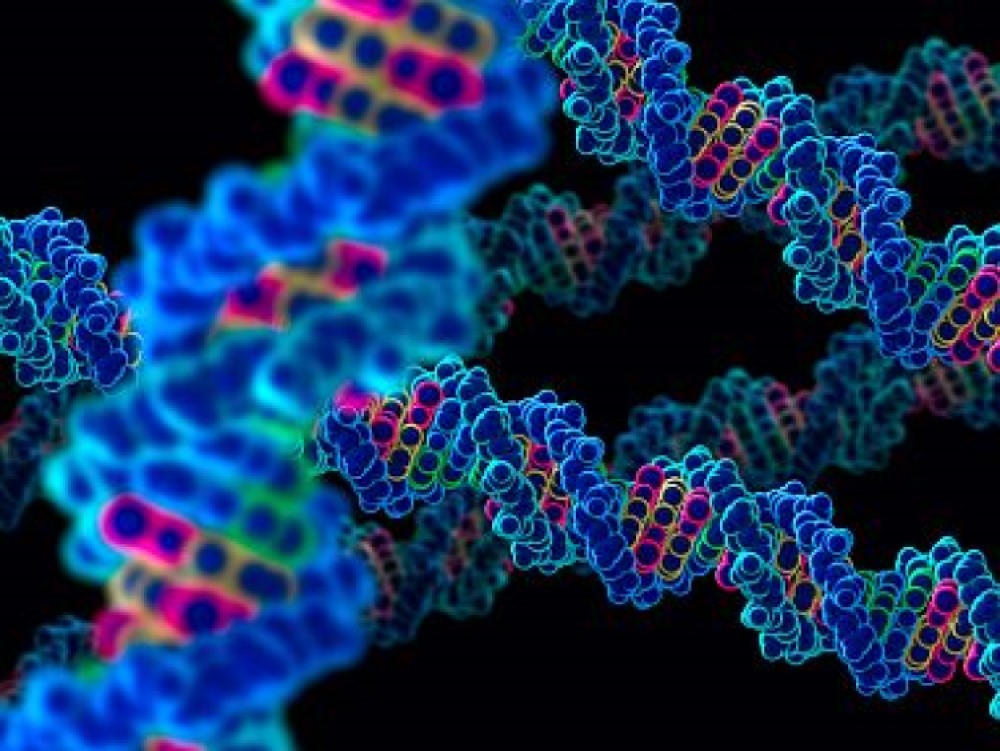
Stretches of DNA sequence tend to be inherited together. Thus, sets of small genetic variations called single nucleotide polymorphisms (SNPs) tend to be grouped. These clusters are called haplotypes. The map of human genetic variation is called a haplotype map, or HapMap.
Previous versions of the HapMap were built on the analysis of DNA collected from 270 volunteers from 4 geographically diverse populations. The first version contained approximately 1 million SNPs. The second-generation map brought that total to more than 3.1 million SNPs.
Over the last few years, researchers conducting genome-wide association studies have relied on data from the HapMap to discover hundreds of common genetic variants associated with complex human diseases, such as cardiovascular disease, diabetes, cancer and many other health conditions. Funding to create the third-generation HapMap was provided by NIH’s National Human Genome Research Institute (NHGRI), National Institute on Deafness and Other Communication Disorders (NIDCD) and the Wellcome Trust.
For the latest version, researchers analyzed about 1.6 million SNPs in a much broader range of samples from around the world. As reported in the September 2, 2010, issue of Nature, the HapMap now includes data from an additional 7 global populations, bringing the total number of volunteers to almost 1,200.
The consortium also carefully sequenced 10 regions totaling about 1 million base pairs in 692 samples. The scientists found that 77% of the SNPs they detected were new. This result shows that many more variants remain to be found, especially rare variants. In addition, the scientists added more than 800 copy-number variants to the resource. These reflect differences in the number of copies of specific DNA regions people harbor.
Tags:
Source: National Institutes of Health
Credit: