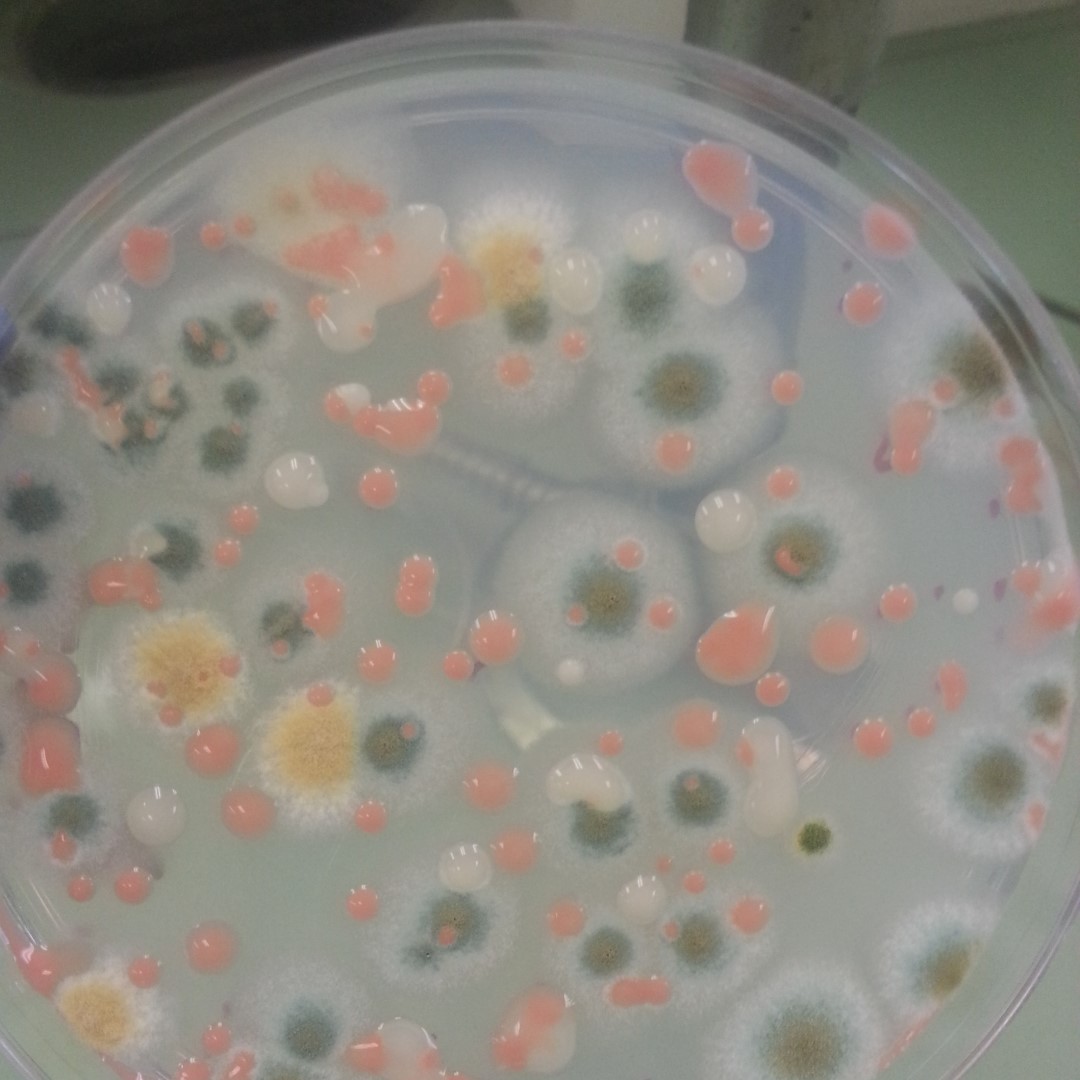
study finds Indoor air contains greater diversity of airborne fungi than previously thought
On Jun. 5, 2026, researchers from Imperial College London have conducted the UK’s largest-ever longitudinal study of indoor fungal air pollution, revealing that homes are active fungal ecosystems rather than passive recipients of outdoor air.
The West London Healthy Home and Environment Study (WellHome), led by researchers from Imperial’s School of Public Health, analysed the air in 118 households over a two-year period. The study focuses on children with asthma or allergies and families from ethnic minority groups and lower socio-economic backgrounds.
Using DNA sequencing and molecular profiling, the team identified an extraordinary diversity of over 2,000 fungal genera, discovering that indoor air in urban environments can be significantly more complex and diverse than the air outside.
The findings show that homes are not simply passive recipients of outdoor air. Instead, they function as unique fungal ecosystems. Several fungal groups associated with asthma and respiratory disease, including Aspergillus and Penicillium, were consistently enriched indoors, while fungal communities also changed significantly with the seasons.
Crucially, the study highlights that these health risks cannot always be identified using current housing inspection methods. Researchers found that clinically significant levels of fungal bioaerosols can exist in homes with no visible signs of severe damp or mould.
In one household, researchers detected persistently elevated levels of Aspergillus despite mould not being clearly evident at the property by sight alone. A child living in the home, who had a confirmed Aspergillus allergy, experienced repeated asthma-related hospitalisations during the study period. The finding raises important questions about how many vulnerable people may currently be exposed to hidden fungal risks, that routine housing inspections fail to identify.
The research follows the introduction of Awaab’s Law, a landmark piece of legislation prompted by the tragic death of two-year-old Awaab Ishak due to mould exposure in social housing. While the law marks a major shift in recognising mould as a serious hazard, the researchers point to a significant regulatory gap: there are currently no quantitative legal standards defining safe or unsafe levels of airborne fungal exposure.
Tags:
Source:
Credit: