Immune modulator drugs improved survival for people hospitalized with COVID-19
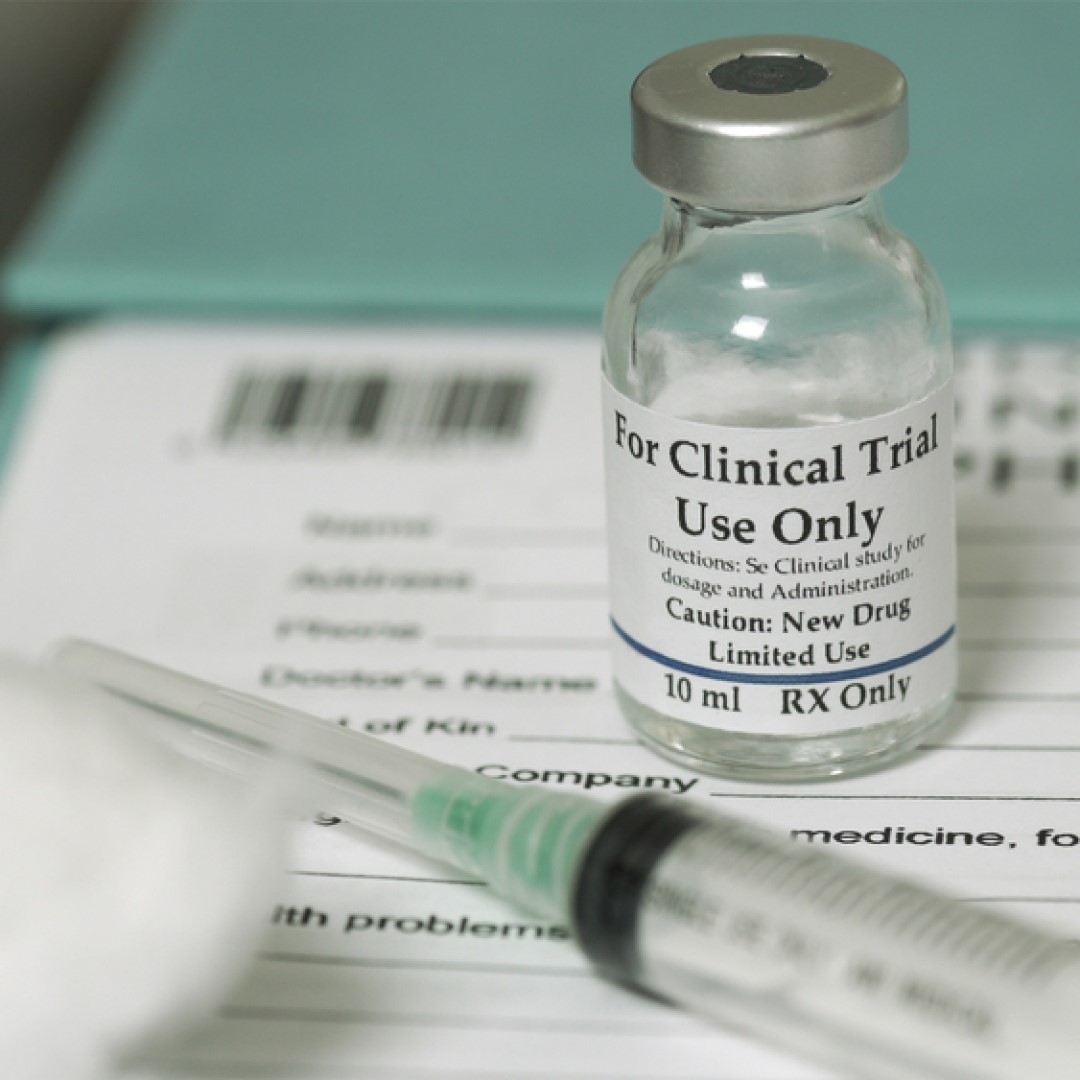
On Jun. 2, 2022, the U.S. National Institutes of Health (NIH) announced that a large randomized, placebo-controlled clinical trial showed that treating adults hospitalized with COVID-19 with infliximab or abatacept – drugs widely used to treat certain autoimmune diseases – did not significantly shorten time to recovery but did substantially improved clinical status and reduced deaths.
Some COVID-19 patients experience an immune response in which the immune system unleashes excessive amounts of proteins that trigger inflammation that can lead to acute respiratory distress syndrome, multiple organ failure and other life-threatening complications. As part of the Accelerating COVID-19 Therapeutic Interventions and Vaccines (ACTIV) public-private initiative, NIH launched the ACTIV-1 Immune Modulators clinical trial to determine if certain drugs that help minimize the effects of an overactive immune response could speed recovery and reduce deaths in adults hospitalized with moderate to severe COVID-19. The ACTIV-1 master protocol included three sub-studies; each one tested an immune modulator drug as compared to a placebo. This approach allowed for coordinated and efficient evaluation of multiple investigational agents simultaneously.
NIH’s National Center for Advancing Translational Sciences (NCATS) coordinated and oversaw the trial with funding from the Biomedical Advanced Research and Development Authority (BARDA) of the U.S. Department of Health and Human Services Office of the Assistant Secretary for Preparedness and Response.
ACTIV-1 participants were randomly assigned to one of the immune modulator drugs or placebo in addition to the standard of care, which may include remdesivir (Veklury) supplied by Gilead Sciences, Inc. About 90% received remdesivir, and about 85% received dexamethasone.
Investigators monitored participants and recorded their clinical status daily while hospitalized according to an eight-point scale ranging from not hospitalized with no limitations on activities to death. The full report on these data in a peer-reviewed scientific journal was expected in fall of 2022.
Tags:
Source: National Institutes of Health
Credit: