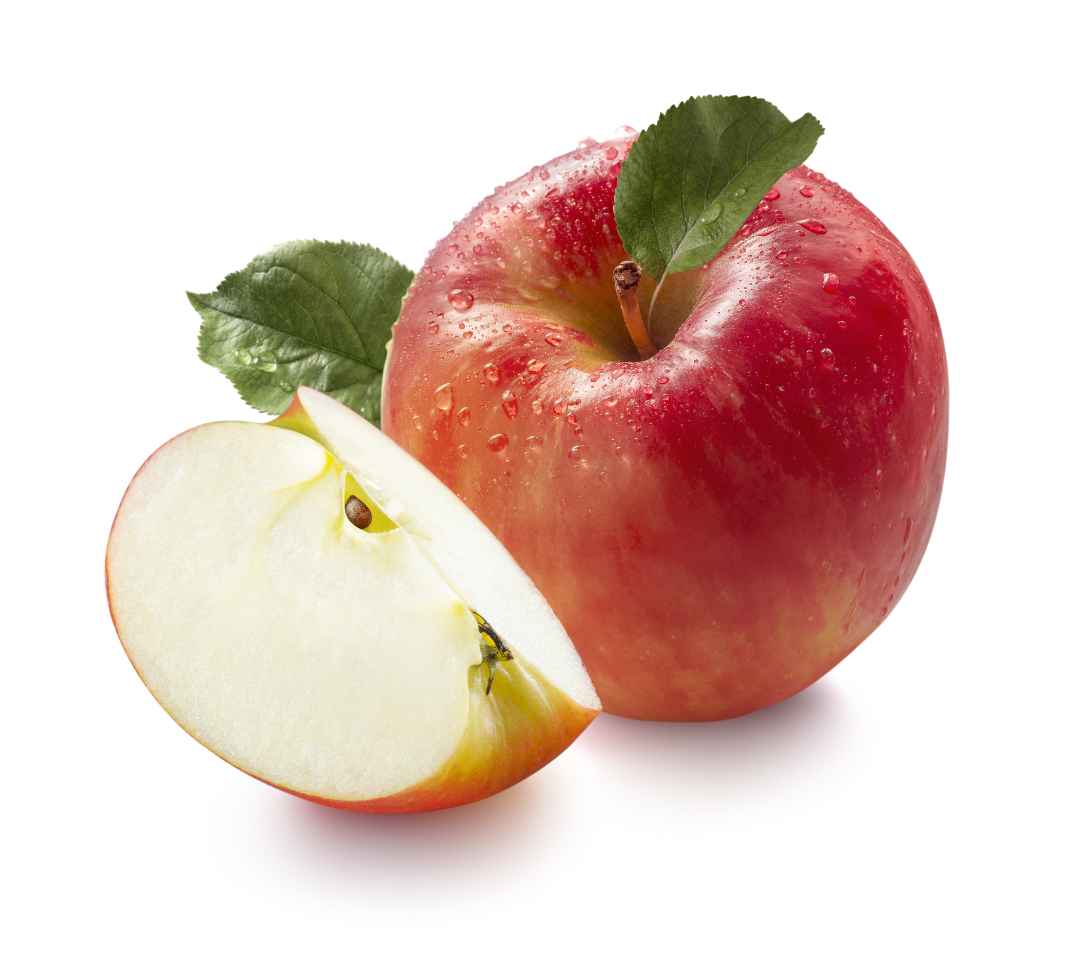
Honeycrisp apple genome was completed
On Oct. 13, 2022, a team of researchers led by Cornell University announced they had sequenced the Honeycrisp apple genome, a boon for scientists and breeders working with this popular and economically important cultivar.
Sequenced with state-of-the-art technologies, the genome – available open-sourced for anyone to access – provides a valuable resource for understanding the genetic basis of important traits in apples and other tree fruit species, which can be used to enhance breeding efforts, according to the paper.
The U.S. apple industry is worth $23 billion annually, and Honeycrisp is its most valuable cultivar, bringing growers roughly twice the value per pound than the second-most valuable cultivar, Fuji. Due to its favorable traits, including crispness, flavor, cold-hardiness and resistance to apple scab fungal disease, breeders have used Honeycrisp as a parent in nine new cultivars on the market, including the Cornell-developed Snapdragon.
At the same time, growing Honeycrisp can be challenging. For starters, Honeycrisp trees have difficulty getting enough nutrients on their own and require a specific nutrient management program for good yields and health, Khan said. Without such management, the trees commonly develop “zonal leaf chlorosis,” where leaves yellow and curl due to carbohydrate and nutrient imbalances.
Honeycrisp apples are also susceptible to disorders such as bitter pit, due to calcium imbalances, and bitter rot, a fungal infection. Such issues are fundamentally genetically controlled, though improper handling and post-harvest storage can make them worse. Advances in genetic sequencing technology made it possible to, sequence, assemble, and publish the Honeycrisp genome in a short time. In general, the apple genome, first sequenced Golden Delicious in 2010, is complex, large and heterozygous, meaning there are many versions of specific genes.
There are also a lot of repeated sequences in the apple genome. In 2010, when the first apple genome was published, technologies could read only short fragments of DNA at a time, say, 150 letters. Scientists would then overlap sequences of perhaps 50 letters, and like a puzzle, they would use computational programs and algorithms to match the end of one reading with the start of another. This allowed them to piece together longer strings of DNA to identify entire genes and eventually the genome. But one problem with this method is that repeated elements can confuse the process.
The long-read sequencing also helped them tease apart the apple’s diploid genome; like humans, apples have two sets of chromosomes, one from each parent. The new technologies allowed the researchers to sequence two single sets of chromosomes, which in future work may be used to differentiate between specific genetic contributions of each parent. Using these advanced methods, the Honeycrisp genome covered 97% of all the protein-coding genes. By comparison, the 2010 Golden Delicious genome assembly only covered 68% of the genes.
Tags:
Source: Cornell University
Credit: