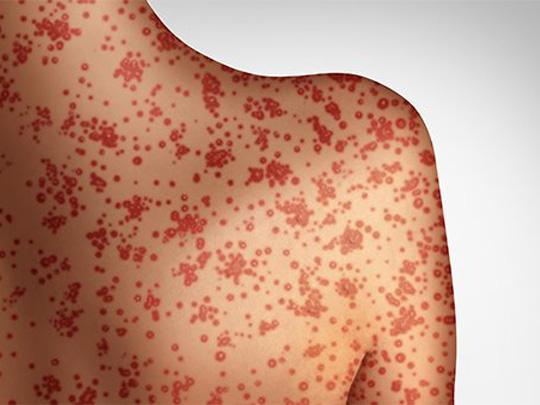
historic measles outbreak hits Pennsylvania Amish, Worst in 35 years
On Oct. 30, 2026, the Associated Press reported that Lancaster County in central Pennsylvania, home to the largest Amish population in the U.S. — is the epicenter of the nation’s worst measles outbreak in 35 years. While they avoid many types of civic engagement for religious reasons, the Amish — like many other groups vulnerable to measles across the nation — are not truly separate.
Robust vaccination rates once protected Americans much better. But rates among the general public are now falling, and rates have long been low among the Amish, creating the perfect conditions for the contagious virus — officially considered “eliminated” from the U.S. since 2000 — to spread here and beyond.
Pennsylvania has the most U.S. cases, with over 1,350 this year, more than a third in Lancaster County alone, according to state figures. That’s a big undercount, community leaders say, since many people with measles never see a doctor. The state has recorded three measles-associated deaths in Lancaster and two in other counties.
The outbreak has especially hit the “Plain communities” of Amish and conservative Mennonites — so named for their modest dress and limited use of technology. Vaccination rates, and attitudes about vaccines, range widely. But overall, they are less likely to be vaccinated than the general population, due more to culture and habit than doctrine.
“Measles is really the lion king of infectious diseases when it comes to transmission,” said Michael Osterholm, who directs the University of Minnesota’s Center for Infectious Disease Research and Policy. “No one in the United States of America who is susceptible to the measles virus, either having not been vaccinated or not having previously had it, should feel safe from measles. No one.”
The risk grows as vaccination rates decline. According to the Centers for Disease Control and Prevention, 92.4% of U.S. kindergarteners in 2025-26 received the required MMR shots. That’s down from 95.2% in 2019-20.
Vaccine hesitancy that rose across populations during the pandemic still lingers. That’s eroded “herd immunity,” which occurs when enough people in an area have immunity to measles that it no longer spreads easily. Although nothing short of 100% immunity guarantees the virus won’t spread, an outbreak is considered unlikely if a community has a 95% MMR rate. Pennsylvania’s kindergarten MMR vaccination rate fell to 93.2% last year. Lancaster County’s rate is 88%, with rates lower in the county’s religious and other private schools than in public schools, according to an AP review of state data.
Tags:
Source: Associated Press
Credit: