Guinea declared end of Marburg virus disease outbreak
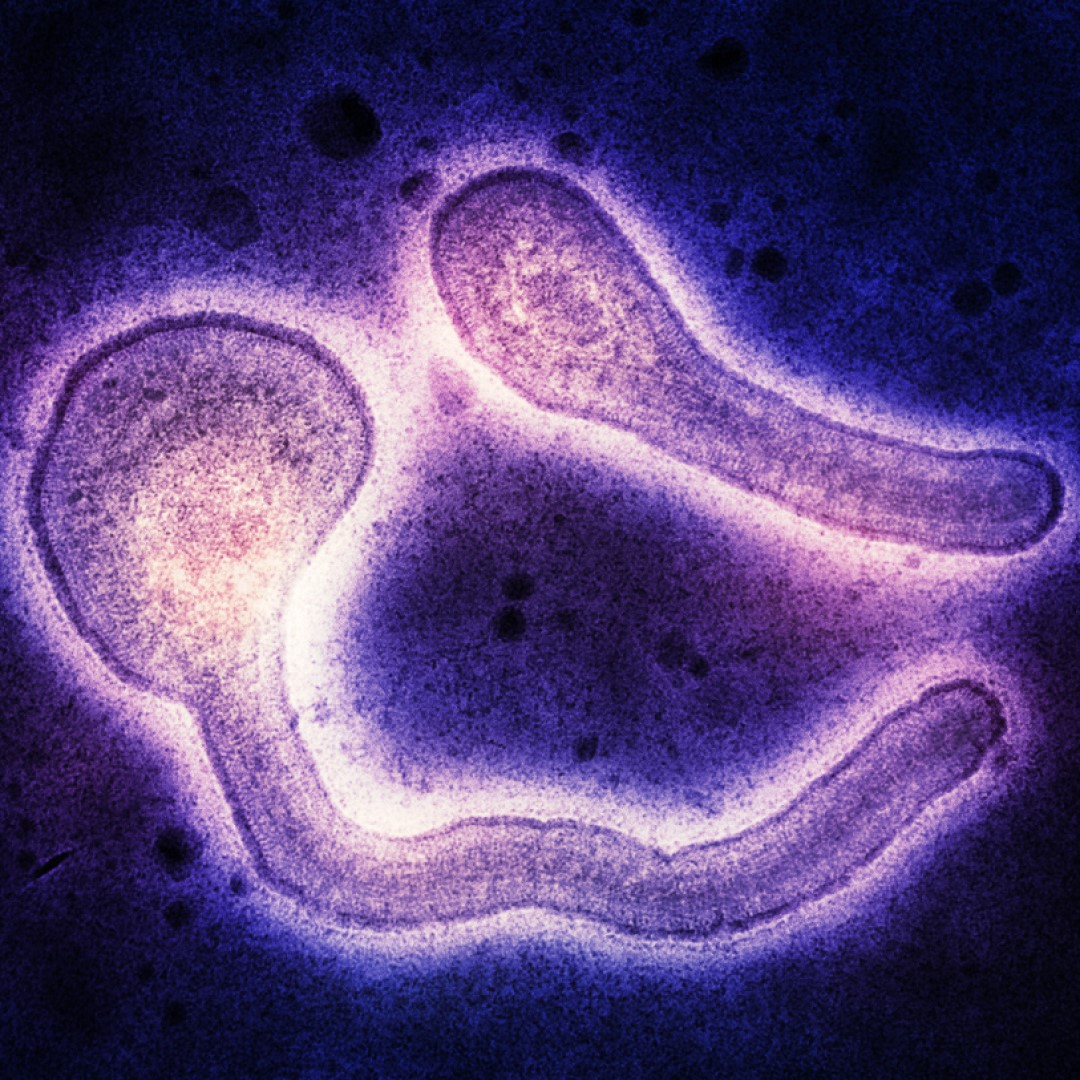
On Sept. 15, 2021, Guinea declared the end of the Marburg virus disease outbreak having recorded no new cases over the past 42 days – two incubation periods, or the time between infection and the onset of symptoms. The virus was confirmed on August 9, marking the first time the disease emerged in the country and in West Africa.
Only one case—the index patient who was diagnosed with the virus posthumously—was recorded and more than 170 high-risk contacts monitored for 21 days. The disease, a highly infectious virus that causes haemorrhagic fever, was detected in southern Guinea, the same region where the initial cases of the February—June Ebola 2021 outbreak as well as the 2014—2016 West Africa Ebola outbreak were detected.
Guinea’s health authorities, with support from World Health Organization (WHO), promptly mounted emergency response, deploying expert teams to carry out further investigations, step up disease surveillance, assess the risks and bolster community mobilization, testing, clinical care as well as infection prevention and control measures.
Guinea’s health authorities, WHO experts and scientists are deepening investigations into the source of the Marburg outbreak, including analysis on bats as well as undertaking serological surveys to not only help understand how the virus emerged, but also help prevent potential future outbreaks.
Marburg, which is in the same family as Ebola, is transmitted to people from fruit bats and spreads among humans through direct contact with the bodily fluids of infected people, surfaces and materials.
Tags:
Source: World Health Organization
Credit: