Genentech successfully cloned the gene encoding human insulin in E. coli Bacteria
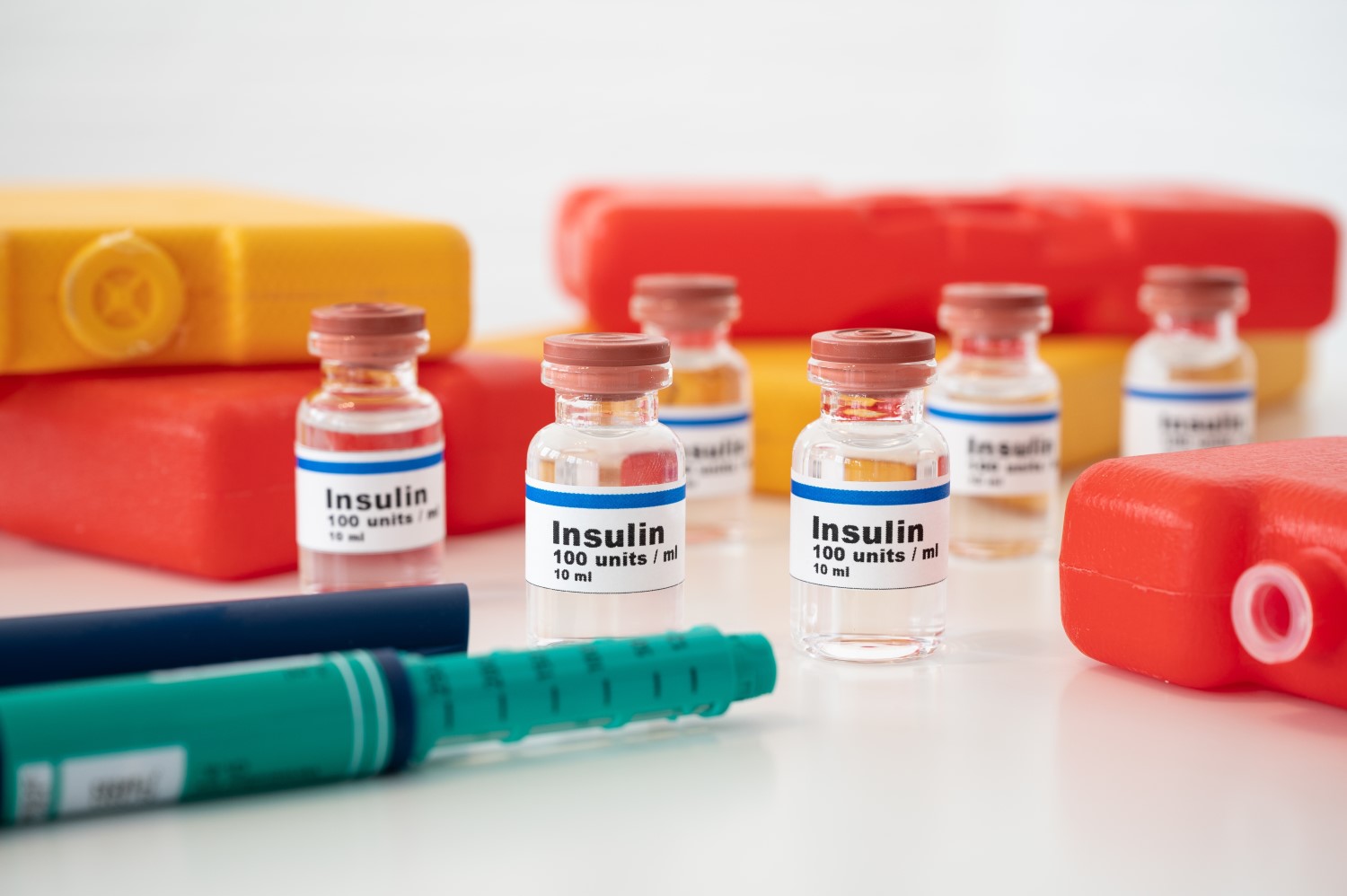
On Sept. 6, 1978, Genentech, the most successful of the new biotech start-up companies, announced that scientists at the firm had successfully cloned the gene encoding human insulin in Escherichia coli bacteria (E. Coli). Earlier that year, Genentech scientist Dennis Kleid toured a factory in Indiana where insulin was being made from pigs and cattle. “There was a line of train cars filled with frozen pancreases,” he says. At the time, it took 8,000 pounds of pancreas glands from 23,500 animals to make one pound of insulin. Diabetics lack this hormone, which regulates the amount of glucose in the blood. The manufacturer, Eli Lilly, needed 56 million animals per year to meet the increasing U.S. demand for the drug. They had to find a new insulin alternative, fast.
Genentech had the expertise to make synthetic human insulin—in laboratories, from bacteria, using their recently-proven recombinant DNA technology. But could they make enough of the miniscule insulin molecules to replace these trainloads of pancreases and provide an alternative option for people living with diabetes? The scientists would have to coax the bacteria to produce insulin from the synthetic DNA at high enough concentrations to make an economically viable product. This meant that each bacteria needed to churn out so much of the protein per cell that if they could do it, they’d look like stuffed olives under a microscope. If not, Genentech’s work would have ended as a scientific curiosity, with no new option for diabetics.
In 1982, the U.S. Food and Drug Administration (FDA) approved human insulin and it was on the market by 1983. Since then, millions of people have used the medicine, and it has almost completely replaced insulin created from animals.
Tags:
Source: Genentech
Credit: