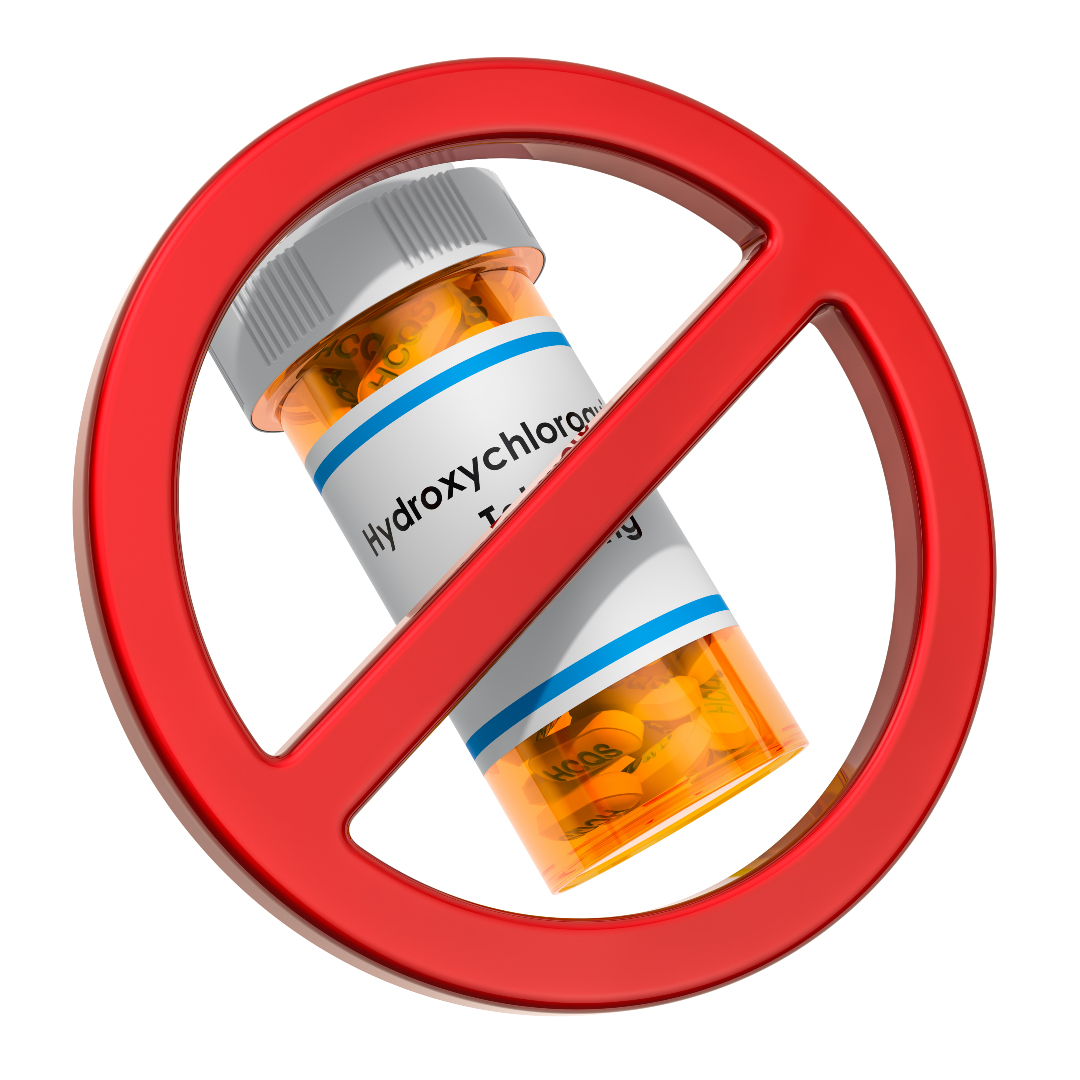
First large study of hydroxychloroquine does not support routine use in COVID-19 patients
On May 7, 2020, a study of nearly 1,400 patients with moderate to severe COVID-19 disease at a single New York hospital found that patients who received the drug fared no better than patients who did not receive the drug. Recent laboratory studies suggested that hydroxychloroquine may prevent the SARS-CoV-2 virus from replicating in mammalian cells.
Data from small clinical studies have been difficult to interpret. The study included nearly 1,400 patients and is currently the largest published study of hydroxychloroquine in COVID-19 patients. Previous studies have included no more than 100 patients.
The study included the first 1,376 patients hospitalized with COVID-19 at a large medical center in New York City (excluding patients who were discharged, intubated, or died within 24 hours of arriving at the emergency department).
Among these patients, 811 (58.9%) received hydroxychloroquine and 565 patients (41.1%) did not. The researchers examined the relationship between hydroxychloroquine use and the development of respiratory failure that led to intubation or death. Overall, 346 patients developed respiratory failure, 180 were intubated, and 166 died without intubation.
After using established and sophisticated statistical techniques to account for known differences between patients in the two groups, including age, sex, and initial vital signs, the researchers found that patients who received hydroxychloroquine had the same risk of intubation or death as patients who did not receive the drug. The study was published in the New England Journal of Medicine.
Tags:
Source: Columbia University
Credit: