Second clone of endangered Przewalski’s horse born in conservation effort to save the species
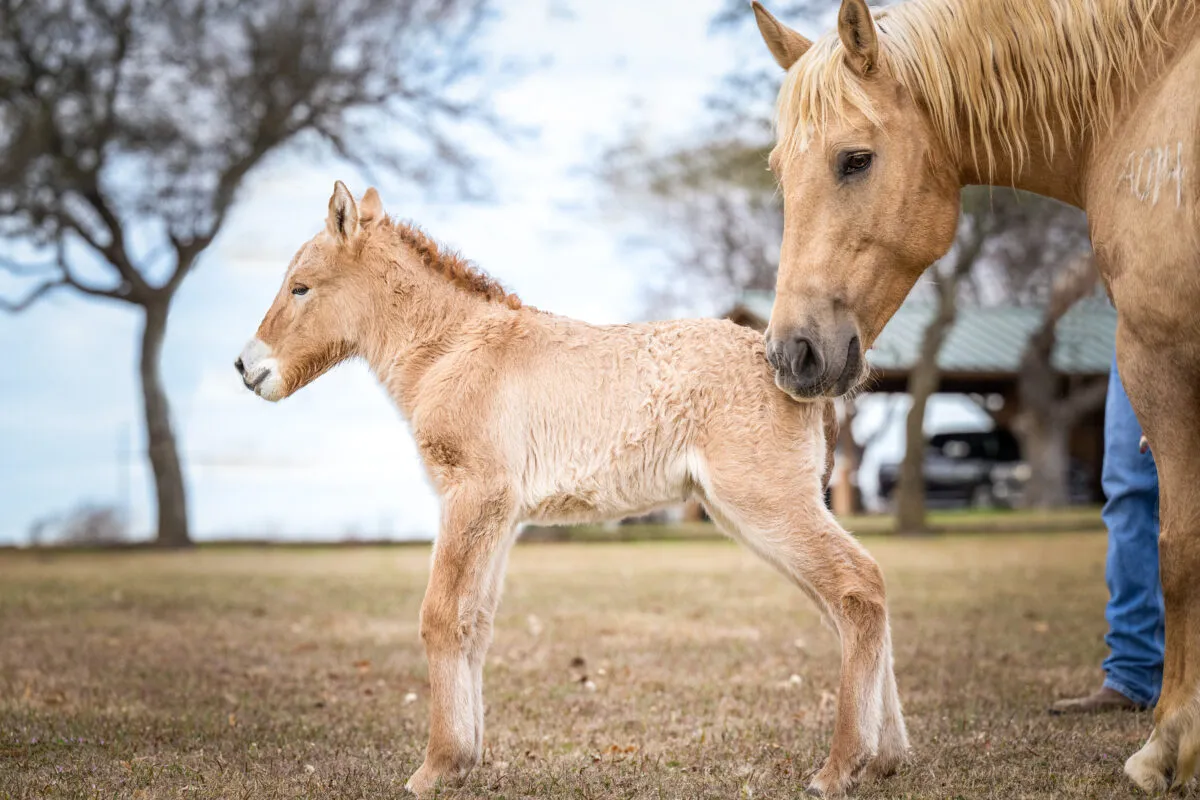
On Feb. 17. 2023, Revive & Restore, the San Diego Zoo Wildlife Alliance, and ViaGen Pets and Equine in Texas announced a second cloned Przewalski’s horse was born from the same cell line. The foal, named “Ollie” in honor of Dr. Oliver Ryder, Director of Conservation Genetics at San Diego Zoo Wildlife Alliance, is Kurt’s genetic twin.
In 2018, Revive & Restore, the San Diego Zoo Wildlife Alliance, and ViaGen Pets and Equine launched a collaboration to clone the world’s first Przewalski’s horse from a cell line that had been cryopreserved since 1980 at the San Diego Zoo Wildlife Alliance Frozen Zoo. The foal, named Kurt, was born on August 6, 2020 and carries precious genetic variation lost from the living gene pool. Both Kurt and Ollie may become the first cloned animals to restore lost genetic variation to their species.
Until the recent birth of this Przewalski’s horse foal, cloning had only successfully produced a single individual of any endangered species. The foal’s birth provides evidence that cloning is an increasingly viable means for species conservation and that the objectives of using cloning for population management can be more fully assured.
Formerly extinct in the wild, the Przewalski’s horse has survived for the past 40 years almost entirely in zoos around the world, and nearly all of the surviving horses are related to just 12 Przewalski’s horses born in native habitats. Ongoing reintroductions of Przewalski’s horses into their native habitats have established several herds in grasslands in China and Mongolia. To maintain genetic variation, however, scientists believe more work needs to be done to ensure the species’ future survival. Advanced reproductive technologies are relatively standard for domestic horses and cattle. However, there have been few attempts to work with endangered species.
Przewalski’s horses normally live in groups, where a youngster secures their place in the herd from their mother. Because the foal and Kurt were not born into a herd, San Diego Zoo Safari Park wildlife care experts are working to ensure that these horses gain the unique behavioral language they will need to interact and thrive among the larger herd of Przewalski’s horses at the Safari Park. Kurt is currently learning the language of being a wild horse from his companion, Holly, a young female of his own species. The plan is for Kurt and the new foal to become breeding stallions when they reach maturity at about 3 to 4 years of age.
Tags:
Source: Revive & Restore
Credit: Photo: Cloned Przewalski’s foal, Courtesy Scott Stine, Viagen.