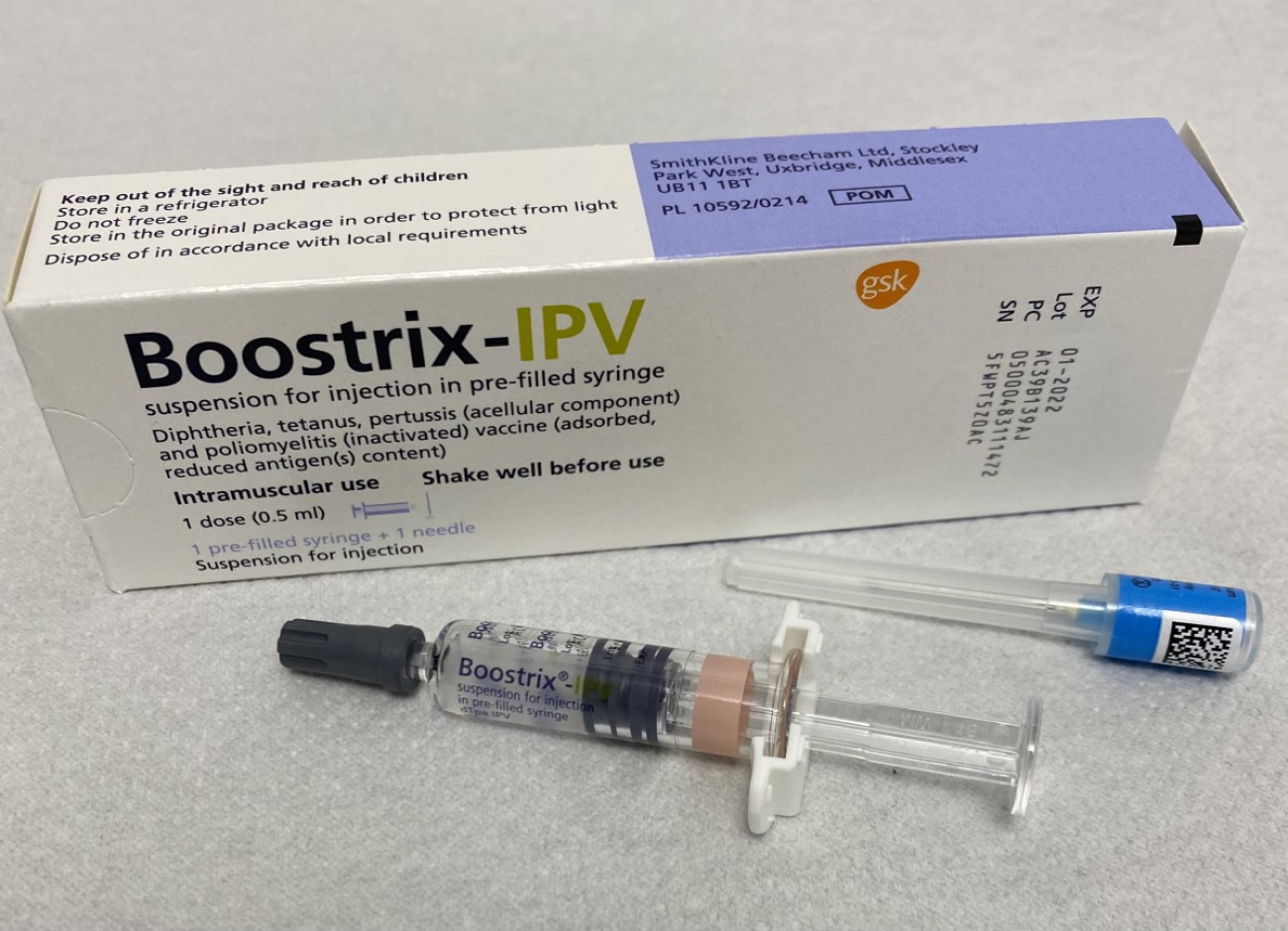
FDA approved Boostrix to prevent tetanus, diphtheria, and pertussis in older people
On Jul. 8, 2011, the Food and Drug Administration (FDA) approved an expanded age indication for the tetanus toxoid, reduced diphtheria toxoid and acellular pertussis vaccine (Tdap) Boostrix (GlaxoSmithKline Biologicals, Rixensart, Belgium). Originally, Boostrix was licensed in 2005 for persons aged 10 through 18 years, but in 2008, FDA approved an expanded age indication for Boostrix to include persons aged 19 through 64 years (1). FDA has now expanded the age indication to include persons aged 65 years and older. Boostrix is now licensed for use in persons aged 10 years and older as a single-dose booster vaccination (2). This notice summarizes the indications for use of Boostrix. Recommendations of the Advisory Committee on Immunization Practices (ACIP) for Tdap vaccines have been published previously (3—6). Publication of revised Tdap recommendations within the next year is anticipated.
On October 27, 2010, ACIP was presented data on the safety and immunogenicity of Boostrix in adults aged 65 years and older (6). Data were reviewed by ACIP from two clinical trials on the safety and immunogenicity of Boostrix in adults in this age group. The safety and reactogenicity profiles of Boostrix generally were similar to currently available tetanus and diphtheria toxoids (Td) vaccine. Immunogenicity of pertussis vaccine components was inferred using a serologic bridge to infants vaccinated with pediatric diphtheria and tetanus toxoids and acellular pertussis vaccine (DTaP), as defined by the Vaccines and Related Biological Products Advisory Committee (7).
For diphtheria and tetanus, immune responses to Boostrix were noninferior to the immune responses elicited by a comparator Td vaccine licensed in the United States (2). Immune responses to pertussis antigens (pertussis toxin [PT], filamentous haemagglutinin [FHA], and pertactin [PRN]) were noninferior to those observed following a 3-dose primary DTaP series with Infanrix (GlaxoSmithKline Biologicals) in a clinical trial in which clinical efficacy of DTaP also was demonstrated (2,8,9). Boostrix contains the same three pertussis antigens as Infanrix but in reduced quantities. The geometric mean concentrations for pertussis antibodies (PT, FHA, and PRN) after Boostrix administration increased 7.4 to 13.7-fold.* There are no contraindications to the co-administration of Tdap and influenza vaccine (2). No data on the administration of Tdap with other vaccines recommended for persons aged 65 years and older (e.g., zoster and pneumococcal polysaccharide vaccines) are available. However, Tdap can be administered with other indicated vaccines during the same visit.
Tags:
Source: U.S. Centers for Disease Control and Prevention
Credit: