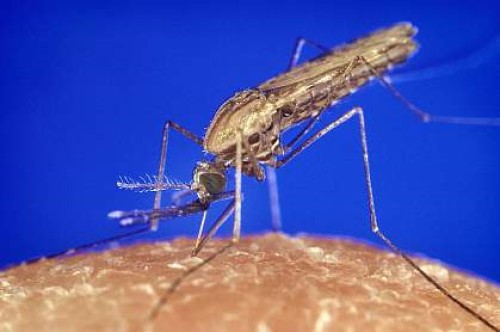
Debug by Google expands Singapore site to accelerate AI and automation inglobal fight against mosquito-borne diseases
On May 12, 2026, Debug, a Google initiative to reduce mosquito-borne diseases,
announced the expansion of its research and development (R&D) and mosquito production
capabilities in Singapore. This investment marks the establishment of Debug’s first international R&D hub and its largest facility for adult mosquito production.
For over a decade, Debug has developed end-to-end technologies to help protect the 4 billion people worldwide at risk of dengue by integrating custom software, hardware automation, scientific innovation, and AI in its mosquito suppression programme. At the core of this approach is Wolbachia, a naturally occurring bacterium that serves a precise, chemical-free method to prevent mosquitoes from spreading diseases.
To scale its impact, Debug is growing its team of software and hardware engineers alongside mosquito scientists in Singapore to accelerate the deployment of next-generation AI and robotics. These advancements will enhance the scaled production of Wolbachia-carrying male mosquitoes, and additional innovations to offer more effective ways to manage mosquito-borne diseases in Singapore, Southeast Asia, and beyond.
This expansion builds on its years of production and releases in communities across countries like Singapore, Italy, Australia, and the US, and comes as the initiative crosses a milestone of releasing more than 1 billion male mosquitoes globally since inception.
Debug has been supporting the National Environment Agency (NEA) on Project Wolbachia since 2018 and opened its first end-to-end mosquito production facility in 2022. By 2024, Debug released 6 million male Wolbachia mosquitoes per week to suppress the dengue vector population in the community and reduce the risks of dengue among residents. Today, over 10 million are released weekly. Rigorous and extensive trials by NEA have shown that Project Wolbachia – Singapore has achieved 80-90% suppression of the Aedes aegypti mosquito population and more than 70% reduction in dengue incidents after 6 to 12 months of releases
While Debug’s current operations primarily focus on mosquito population suppression technology to reduce dengue cases in Singapore, the expanded facility introduces new R&D capabilities for mosquito population replacement for other markets. This approach involves releasing mosquitoes that pass on Wolbachia to the next generation, eventually replacing the disease-carrying population with harmless ones as Wolbachia naturally blocks the transmission of dengue.
Debug, a Google initiative to reduce mosquito-borne diseases, has spent over a decade developing end-to-end technologies to help protect the 4 billion people worldwide at risk of dengue. By integrating custom software, hardware automation, scientific innovation, and AI, Debug delivers both mosquito suppression and replacement solutions at scale. At the core of this approach is Wolbachia, a naturally occurring bacterium that serves as a precise, chemical-free way to stop the mosquitoes from spreading diseases.
Tags:
Source: Debug Project
Credit: