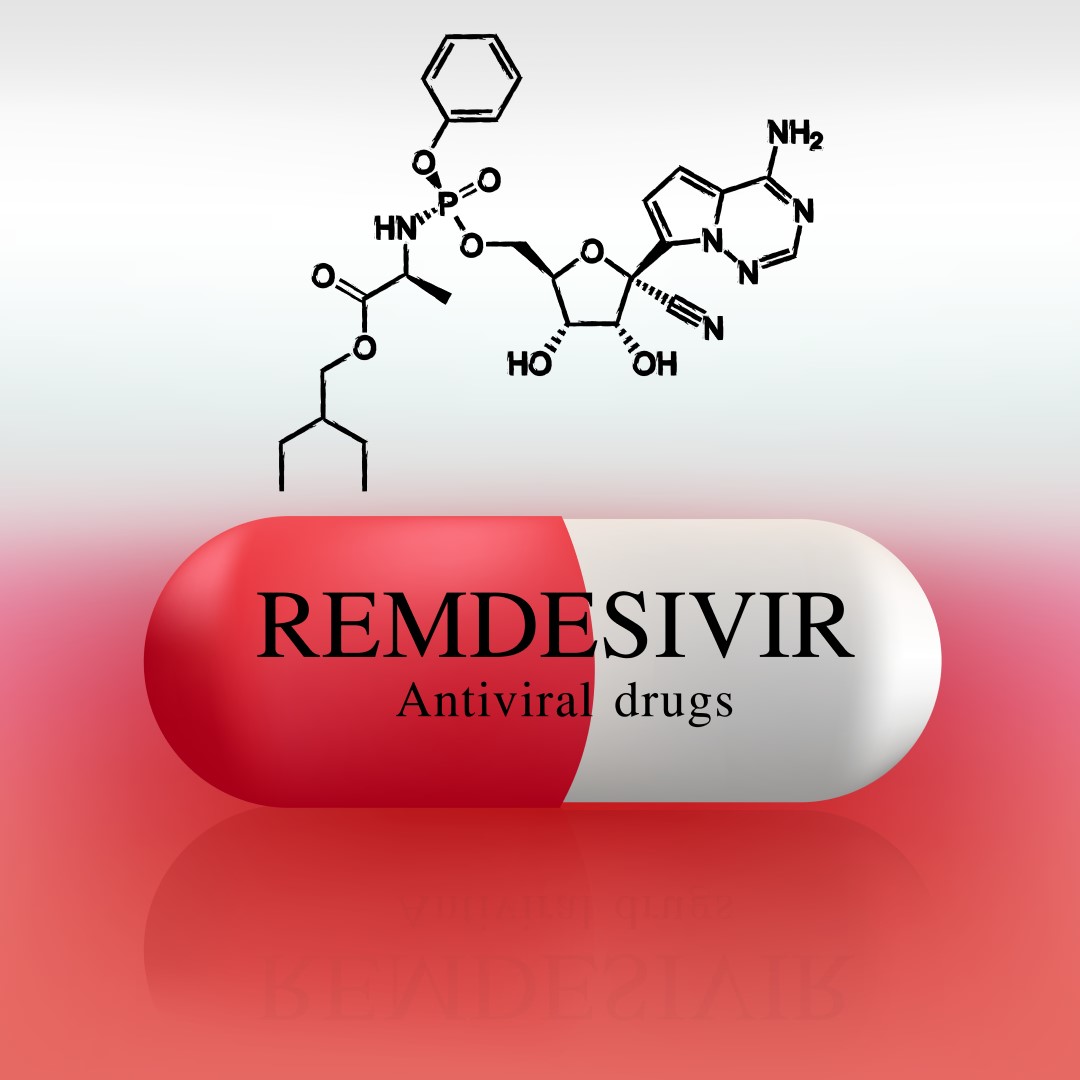
Data on 53 patients treated with investigational antiviral remdesivir through Compassionate Use Program published in NEJM
On Apr. 10, 2020, Gilead Sciences announced results from a cohort analysis of 53 patients hospitalized with severe complications of COVID-19 who were treated with the investigational antiviral remdesivir on an individual compassionate use basis. The majority of patients in this international cohort demonstrated clinical improvement and no new safety signals were identified with remdesivir treatment. Compassionate use data have limitations and multiple Phase 3 studies are ongoing to determine the safety and efficacy of remdesivir for the treatment of COVID-19. The detailed results of this analysis were published in The New England Journal of Medicine.
Remdesivir is not yet licensed or approved anywhere globally and has not been demonstrated to be safe or effective for the treatment of COVID-19.
Nearly two thirds of patients (64 percent, n=34/53) in this cohort were on mechanical ventilation at baseline, including four patients also on extracorporeal membrane oxygenation (ECMO). Treatment with remdesivir resulted in an improvement in oxygen support class for 68 percent of patients (n=36/53) over a median follow-up of 18 days from the first dose of remdesivir. More than half of patients on mechanical ventilation were extubated (57 percent, n=17/30) and nearly half of all patients (47 percent, n=25/53) were discharged from the hospital following treatment with remdesivir. After 28 days of follow-up, the cumulative incidence of clinical improvement, defined as discharge from the hospital and/or at least a two-point improvement from baseline on a predefined six-point scale, was 84 percent according to Kaplan-Meier analysis. Clinical improvement was less frequent among patients on invasive ventilation versus noninvasive ventilation (HR: 0.33 [95 percent CI 0.16, 0.68]) and among patients at least 70 years of age (HR vs < 50 years: 0.29 [95 percent CI 0.11, 0.74]). Compassionate use data have limitations due to the small size of the cohort, the relatively short duration of follow-up, potential missing data due to the nature of the program and lack of a randomized control group.
The overall mortality rate in this cohort was 13 percent (n=7/53). The mortality rate was higher in the subgroup of patients on invasive ventilation (18 percent, n=6/34), compared with patients on noninvasive oxygen support (5 percent, n=1/19). Factors associated with an increased risk of mortality included age greater than 70 years (HR vs < 70 years: 11.34 [95% CI 1.36, 94.17]) and higher baseline serum creatinine levels (HR per mg/dL: 1.91 [95% CI 1.22, 2.99]), indicating reduced kidney function.
Mild to moderate liver enzyme (ALT and/or AST) elevations (23 percent, n=12/53) were observed in this cohort. No new safety signals were detected during short-term remdesivir therapy. Given the limitations of this data set and analysis, data from ongoing, randomized clinical studies of remdesivir are needed to provide a scientifically robust understanding of the clinical impact of remdesivir treatment.
Gilead is conducting two Phase 3 clinical trials of remdesivir, the SIMPLE studies, in countries with high prevalence of COVID-19. Data from the SIMPLE study in patients with severe disease are expected this month, followed by data from the SIMPLE study in patients with moderate disease in May. In addition, Gilead is supporting multiple clinical trials led by other organizations, including two studies conducted in Hubei Province, China. Gilead has been informed that the study in China in patients with severe disease was terminated early due to low enrollment; the company awaits the publication of these data to enable an in-depth review of the results. The study in China in patients with mild-to-moderate disease is ongoing. A global study of remdesivir led by NIAID continues to enroll patients and data from this study are anticipated in May. Finally, additional studies of remdesivir and other investigational treatments for COVID-19, based on a master protocol by the World Health Organization, have also begun to enroll patients in countries around the world.
Remdesivir is an investigational nucleotide analog with broad-spectrum antiviral activity both in vitro and in vivo in animal models against multiple emerging viral pathogens, including Ebola, Marburg, MERS and SARS. In vitro testing conducted by Gilead has demonstrated that remdesivir is active against the virus that causes COVID-19. The safety and efficacy of remdesivir to treat COVID-19 are being evaluated in multiple ongoing Phase 2 and 3 clinical trials. Initial clinical trial data are expected in mid-April.
Tags:
Source: Gilead
Credit: