Countries begin large-scale screening for SARS-CoV-2 in sewage
On May 14, 2020,The Scientist reported that scientists in Spain are expecting to begin regularly analyzing sewage for traces of the coronavirus that causes COVID-19. Pending budget approval from AXA or national funds in Spain, researchers will carry out the work for at least a whole year, having signed a special agreement with authorities in the Valencian Community, a region on Spain’s eastern coast that is home to nearly 5 million people. It will involve the twice-weekly collection of samples from more than 250 wastewater treatment plants, says lead researcher Pilar Domingo-Calap, a biologist at the University of Valencia. Already, her team is sampling from 20 facilities in a preliminary phase of the project.
Previously, Domingo-Calap and colleagues had reported the discovery of SARS-CoV-2 traces circulating in Valencian wastewater that had been sampled on February 24—around the time the first COVID-19 cases were officially confirmed in mainland Spain. They published their findings in a preprint on medRxiv April 29. The samples used in that work came from three large water treatment plants serving around 1 million residents living in the city of Valencia. “Now we’re going to monitor the full region,” says Domingo-Calap, pointing out that this will cover the provinces of Alicante, Castellón, and Valencia itself, once full funding for the project is confirmed.
It’s one of the first such programs to be planned on a large scale. In recent months, various researchers in several countries including the US, Switzerland, Italy, the Netherlands, and France have all reported the detection of SARS-CoV-2 in wastewater, suggesting that sewage monitoring could allow authorities to detect fresh outbreaks and keep an eye on existing ones.
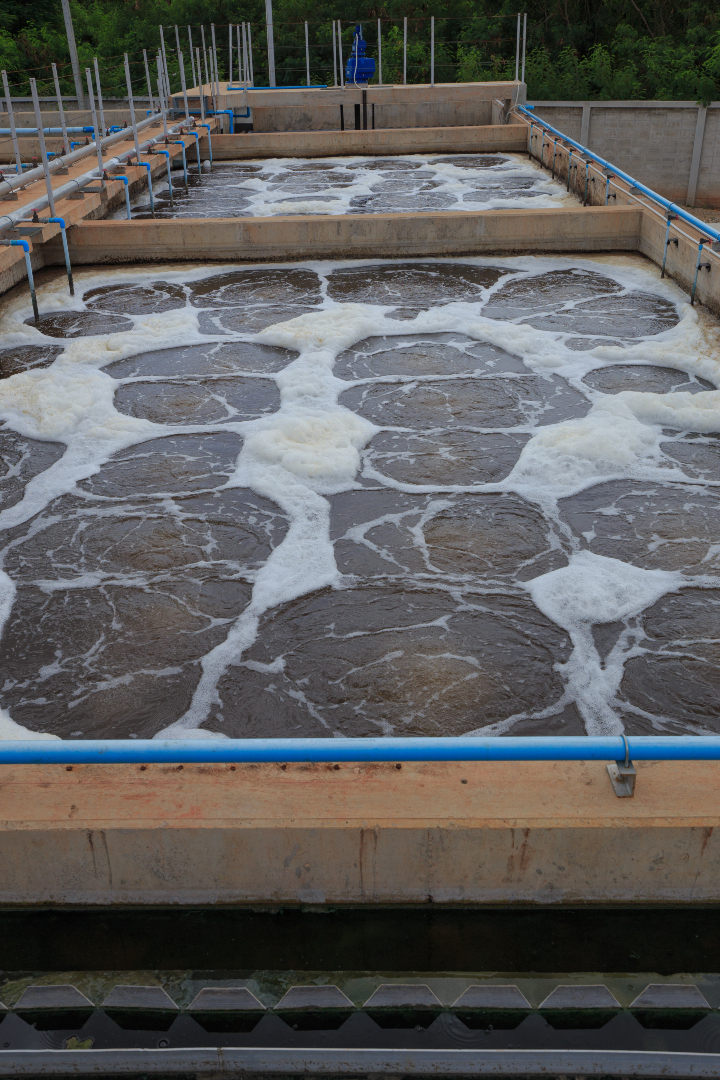
Wastewater detection involves taking small samples of untreated sewage, which may contain traces of the SARS-CoV-2 virus. The samples are not thought to contain infectious virus particles but rather viral RNA, which is detected using RT-qPCR in a laboratory. This is exactly what Domingo-Calap and her colleagues did back in April, although they used samples stored at 4 °C, the oldest of which dated to February 12. It did not contain evidence of the virus but the subsequent sample, from February 24, did.
“We were lucky because they keep some samples for a month and a half,” says Domingo-Calap, who had already been working with Valencian wastewater treatment plants as part of a project to study the presence of bacteriophages in wastewater. The preprint she and her colleagues published revealed that SARS-CoV-2 may have been circulating in mainland Spanish communities earlier than previously thought.
Tags:
Source: The Scientist
Credit: