Coronavirus drifts through the air in microscopic droplets – here’s the science of infectious aerosols
On Apr. 24, 2020, Shelly Miller, Professor of Mechanical and Environmental Engineering, University of Colorado Boulder, reported that the new coronavirus, SARS-CoV-2, is tiny, about 0.1 microns – roughly 4 millionths of an inch – in diameter. Aerosols produced by people when they breathe, talk and cough are generally between about 0.7 microns to around 10 microns – completely invisible to the naked eye and easily able to float in air.
An aerosol is a clump of small liquid or solid particles floating in the air. They are everywhere in the environment and can be made of anything small enough to float, like smoke, water or coronavirus-carrying saliva. When a person coughs, talks or breathes, they throw anywhere between 900 to 300,000 liquid particles from their mouth. These particles range in size from microscopic – a thousandth the width of a hair – up to the size of a grain of fine beach sand. A cough can send them traveling at speeds up to 60 mph.
Researchers don’t yet know how many individual pieces of SARS-CoV-2, an aerosol produced by an infected person’s cough might hold. But in one preprint study researchers used a model to estimate that a person standing and speaking in a room could release up to 114 infectious doses per hour. Public health officials still don’t know whether direct contact, indirect contact through surfaces, or aerosols are the main pathway of transmission for the coronavirus.
Size of the particle and air currents affect how long they will stay in the air. In a still room, tiny particles like smoke can stay airborne for up to eight hours. Larger particles fall out of the air more quickly and land on surfaces after a few minutes. By simply being near other people, you are coming into constant contact with aerosols from their mouth. During a pandemic this is a little more concerning than normal. But the important question is not do exhaled aerosols exist, rather, how infectious are they?
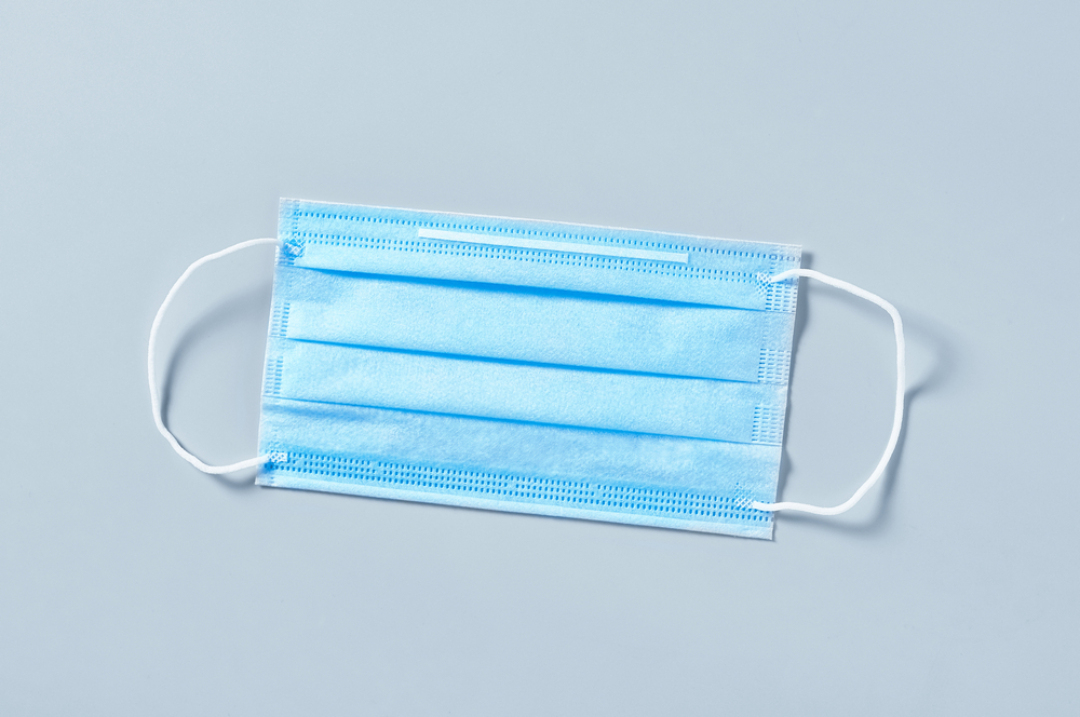
The Centers for Disease Control and Prevention recommends wearing a face mask in any public setting where social distancing is hard to do. This is because homemade masks probably do a reasonable job of blocking aerosols from leaving your mouth. The evidence generally supports their use and more research is coming to show that masks can be very effective at reducing SARS-CoV-2 in air. Masks aren’t perfect and more studies are currently underway to learn how effective they really are, but taking this small precaution could help slow the pandemic.
Tags:
Source: The Conversation
Credit: