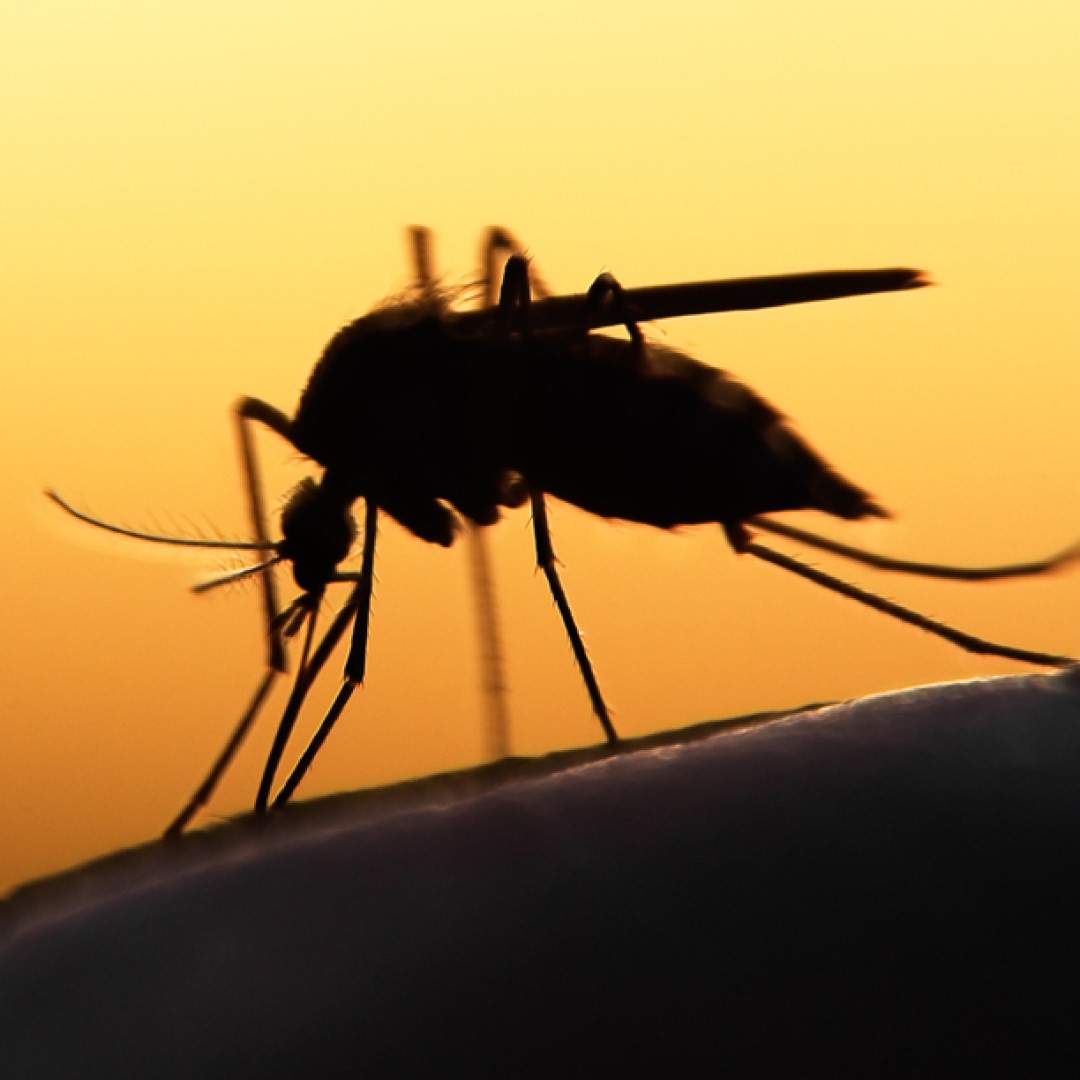
CDC reported locally acquired malaria cases identified in Florida and Texas
On Jun. 26, 2023, the Centers for Disease Control and Prevention (CDC) announced they were collaborating with U.S. state health departments in Florida and Texas with ongoing investigations of locally acquired mosquito-transmitted Plasmodium vivax malaria cases. There was no evidence to suggest the cases in the two states (Florida and Texas) are related. Locally acquired mosquito-borne malaria has not occurred in the U.S. since 2003 when eight cases of locally acquired P. vivax malaria were identified in Palm Beach County, Florida.
Despite these cases, the risk of locally acquired malaria remains extremely low in the United States. However, Anopheles mosquito vectors, found throughout many regions of the country, are capable of transmitting malaria if they feed on a malaria-infected person. The risk is higher in areas where local climatic conditions allow the Anopheles mosquito to survive during most of or the entire year and where travelers from malaria-endemic areas are found.
In addition to routinely considering malaria as a cause of febrile illness among patients with a history of international travel to areas where malaria is transmitted, clinicians should consider a malaria diagnosis in any person with a fever of unknown origin regardless of their travel history. Clinicians practicing in areas of the United States where locally acquired malaria cases have occurred should follow guidance from their state and local health departments. Prompt diagnosis and treatment of people with malaria can prevent progression to severe disease or death and limit ongoing transmission to local Anopheles mosquitos. Individuals can take steps to prevent mosquito bites and control mosquitos at home to prevent malaria and other mosquito-borne illnesses.
Tags:
Source: U.S. Centers for Disease Control and Prevention
Credit: