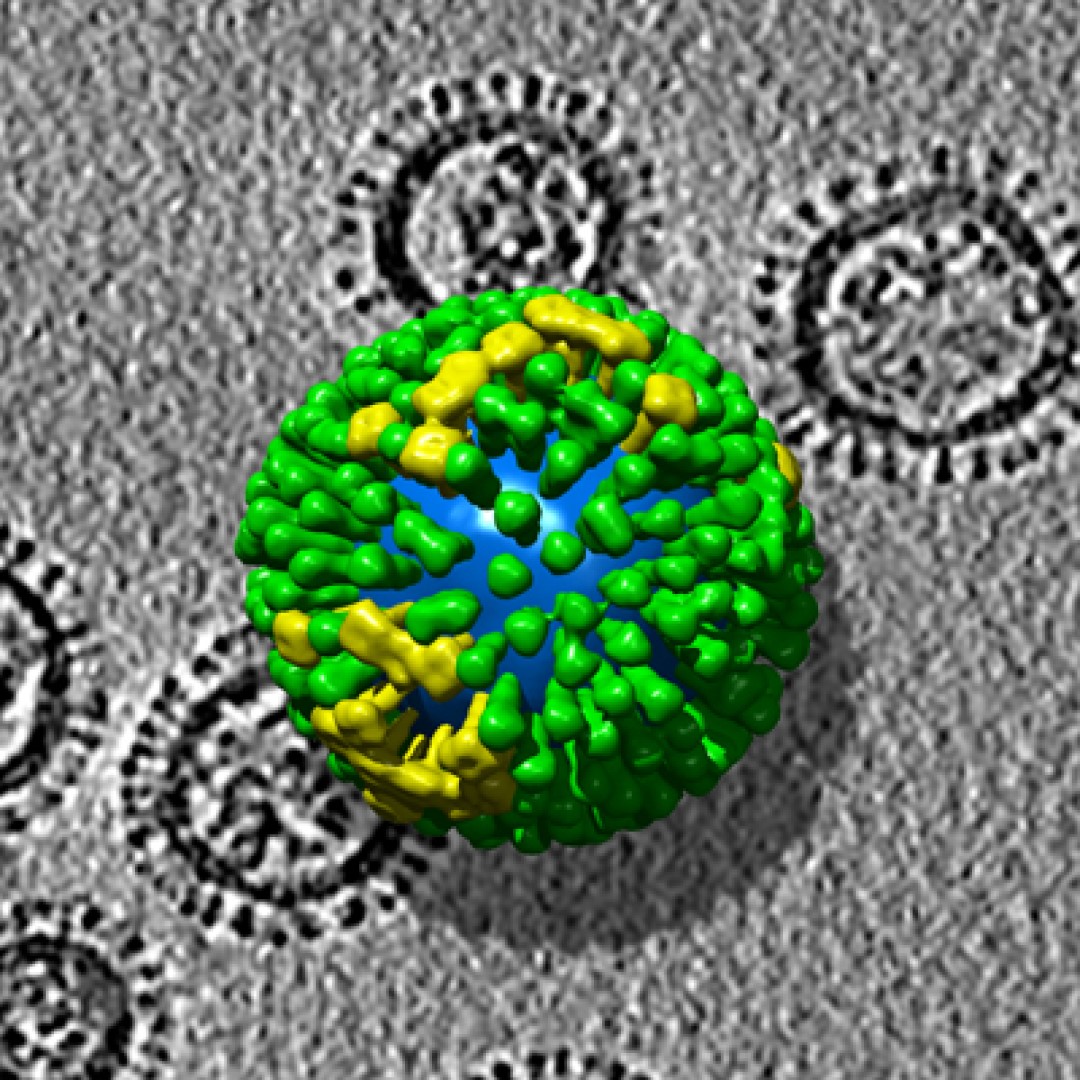
CDC reported 2021-2022 flu season was relatively mild but longer than usual
On Jul. 22, 2022, the Centers for Disease Control and Prevention (CDC) released a MMWR report that summarized the 2021-2022 flu season. The timing and severity of the season were different than the previous season.
While there was more activity than last season, the 2021-2022 season was still relatively mild. Also, activity lasted later than any flu season on record, with two waves of flu activity. Flu A(H3N2) viruses were predominant during both waves.
Vaccine strains for the 2022–23 influenza vaccines were selected by the Food and Drug Administration’s Vaccines and Related Biologic Products Advisory Committee based on WHO’s recommended Northern Hemisphere 2022–23 influenza vaccine composition.
No changes were made to the A(H1N1)pdm09 or the B/Yamagata egg-based, cell-based, or recombinant vaccine recommended components. The recommended A(H3N2) component was changed to an A/Darwin/9/2021 (H3N2)–like virus for egg-based vaccines and an A/Darwin/6/2021 (H3N2)–like virus for cell-based or recombinant vaccines.
The B/Victoria component recommendation was changed to a B/Austria/1359417/2021–like virus (3,4). The clade and subclade for the recommended vaccine strains were 6b.1A.5a.2 for A(H1N1)pdm09, 3C.2a1b.2a.2 for A(H3N2), V1A.3a.2 for B/Victoria, and Y3 for B/Yamagata.
Tags:
Source: U.S. Centers for Disease Control and Prevention
Credit: