CDC released information about new rapid rabies test that could save lives and lead to fewer rabies shots
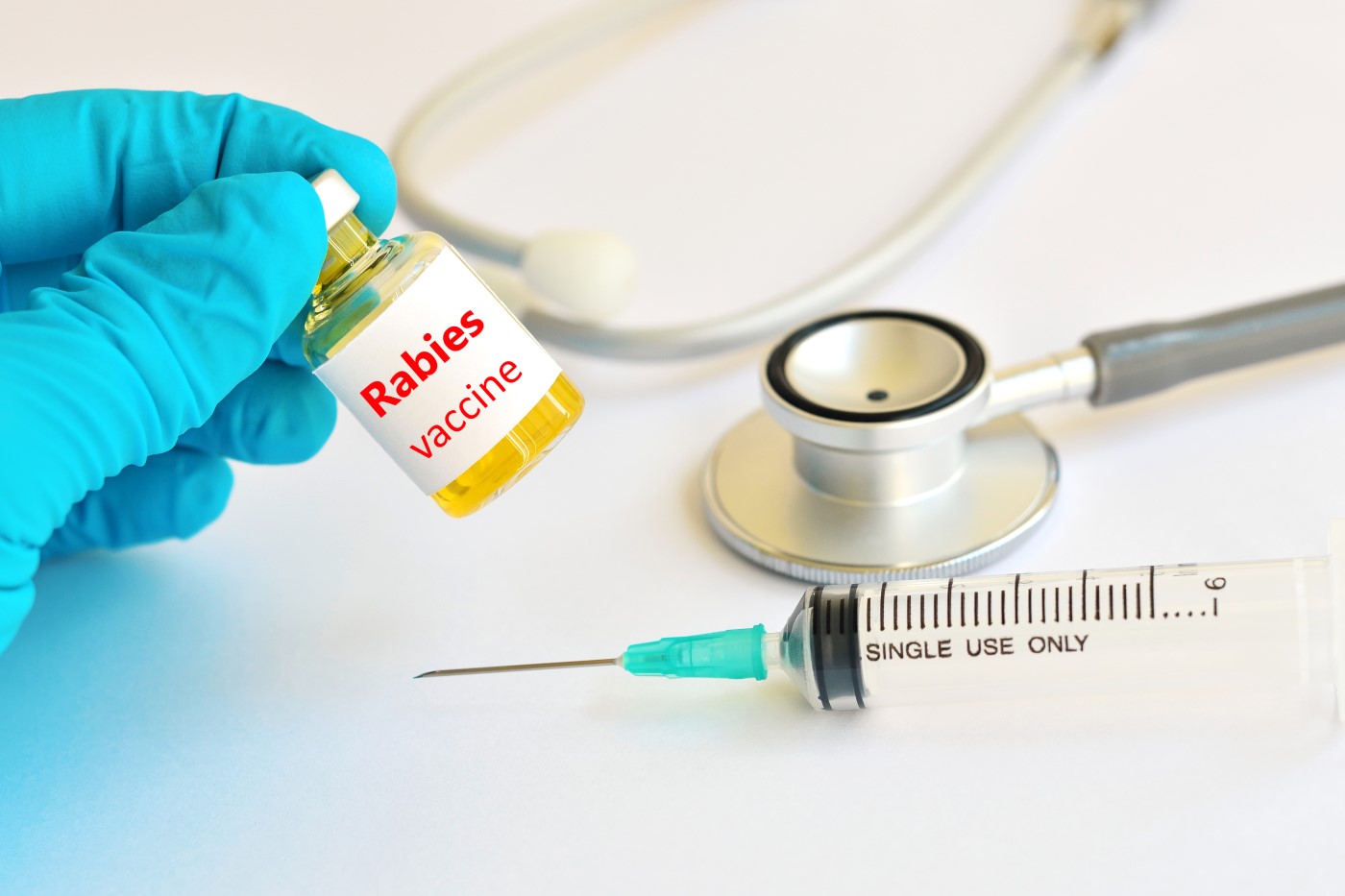
On May 16, 2018, the U.S. Centers for Disease Control and Prevention (CDC) released information about a new rapid rabies test that could save lives and lead to fewer unnecessary rabies shots. The new test, designed for use in animals, more easily and precisely diagnosed rabies infection, according to a study published in PLOS One. The new LN34 test was simpler and easier to use than previous tests. During the pilot study, it produced no false negatives, fewer false positive, and fewer inconclusive results.
The LN34 test can also be run on testing platforms already widely used in the U.S. and worldwide, without any extra training. And it yields results even from decomposing animal brain tissue. The current gold-standard for rabies testing in animals is the direct fluorescent antibody (DFA) test, which can only be interpreted by laboratory workers with special skills, extensive training, and a specific type of microscope.
The new test could help improve rabies testing in the United States and in resource-poor countries. Currently, testing facilities in many countries in Africa and Asia most affected by rabies are not able to easily rule out the disease in animals that have bitten someone. In these countries, equipment for testing and rabies vaccine supplies are often held in centralized urban areas, several days’ travel from where someone is bitten – and rabies vaccine can cost several months’ salary. So knowing if an animal that bit someone is rabid is valuable information.
In the recent study, staff at 14 labs worldwide assessed nearly 3,000 animal brain samples from the Americas, Europe, Africa, and Asia, of which more than 1,000 were known to be infected with rabies virus. The samples came from more than 60 mammal species that get rabies, including dogs, raccoons, skunks, foxes, and bats.
LN34 correctly identified all DFA-positive samples as positive. In addition, it produced definitive findings for 80 samples that were inconclusive or untestable by the DFA test – and 29 of those were positive for rabies. Of the 3,000 samples tested, the LN34 identified one false negative and 11 false positive DFA test results. Only one sample was indeterminate using both tests. This study is the largest ever to validate usage of this type of test (a real-time RT-PCR) to diagnose rabies in animals.
Tags:
Source: U.S. Centers for Disease Control and Prevention
Credit: