CDC issued recommendations for PCV and PPSV vaccination of children with immunocompromising conditions
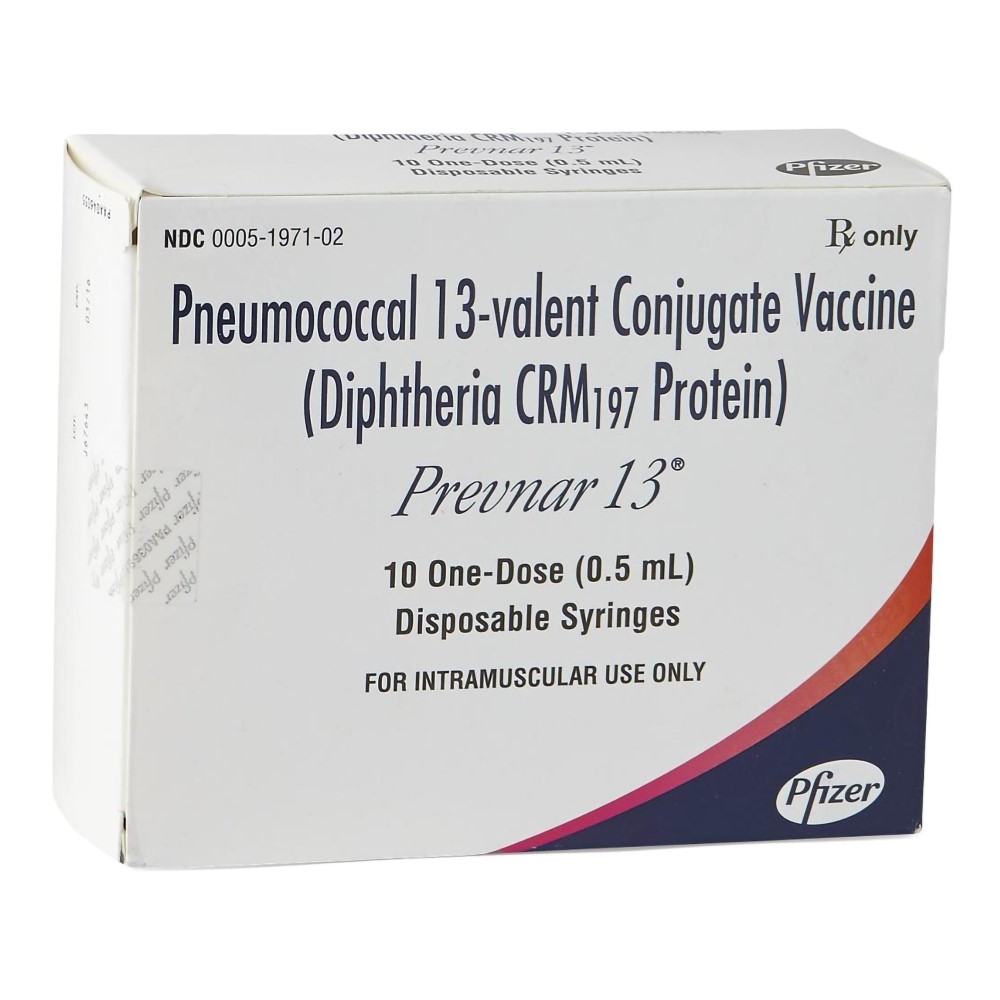
On Jun. 28, 2013, the Advisory Committee on Immunization Practices (ACIP) recommended routine use of 13-valent pneumococcal conjugate vaccine (PCV13; Prevnar 13, Wyeth Pharmaceuticals, a subsidiary of Pfizer) for children aged 6–18 years with immunocompromising conditions, functional or anatomic asplenia, cerebrospinal fluid (CSF) leaks, or cochlear implants who have not previously received PCV13.
PCV13 was to be administered to these children regardless of whether they received the 7-valent pneumococcal conjugate vaccine (PCV7) or the 23-valent pneumococcal polysaccharide vaccine (PPSV23). Recommendations for PPSV23 use for children in this age group remain unchanged.
Streptococcus pneumoniae (pneumococcus) is a leading cause of serious infections, including sepsis and meningitis, and accounts for significant morbidity and mortality in the United States. PCV13 was licensed by the Food and Drug Administration (FDA) for prevention of invasive pneumococcal disease (IPD) and otitis media in infants and young children in February 2010 when it replaced the 7-valent conjugate vaccine (PCV7; Prevnar, Wyeth Pharmaceuticals, Inc.). PCV13 is recommended for all children aged 2–59 months and for children aged 60–71 months with chronic medical conditions (e.g., heart disease and diabetes), immunocompromising conditions (e.g., human immunodeficiency virus [HIV]), functional or anatomic asplenia, CSF leaks, or cochlear implants.
For children aged 6–18 years with immunocompromising conditions, functional or anatomic asplenia, CSF leaks, or cochlear implants, there has been a permissive and off-label ACIP recommendation. Vaccination with PPSV23 also is recommended for children aged 2–18 years with underlying medical conditions after completing all recommended PCV13 doses. Pneumococcal conjugate vaccines have decreased the rates of IPD directly in vaccinated children and indirectly (herd protection) in unvaccinated persons.
Whereas overall and PCV7-type rates of IPD in HIV-infected adults decreased by 25% and 88%, respectively, rates of PCV7-type IPD in this population have remained 40 times higher than rates among healthy adults in the same age group 7 years post-PCV7 introduction for children. These data demonstrated that immunocompromised adults have benefitted from herd protection but still remain at high risk for disease. In June 2012, after new licensure for PCV13 in adults aged >50 years, ACIP recommended routine use of PCV13 in addition to PPSV23 for PCV13-naïve adults aged ≥19 years with immunocompromising conditions, functional or anatomic asplenia, CSF leaks, or cochlear implants.
Tags:
Source: U.S. Centers for Disease Control and Prevention
Credit: