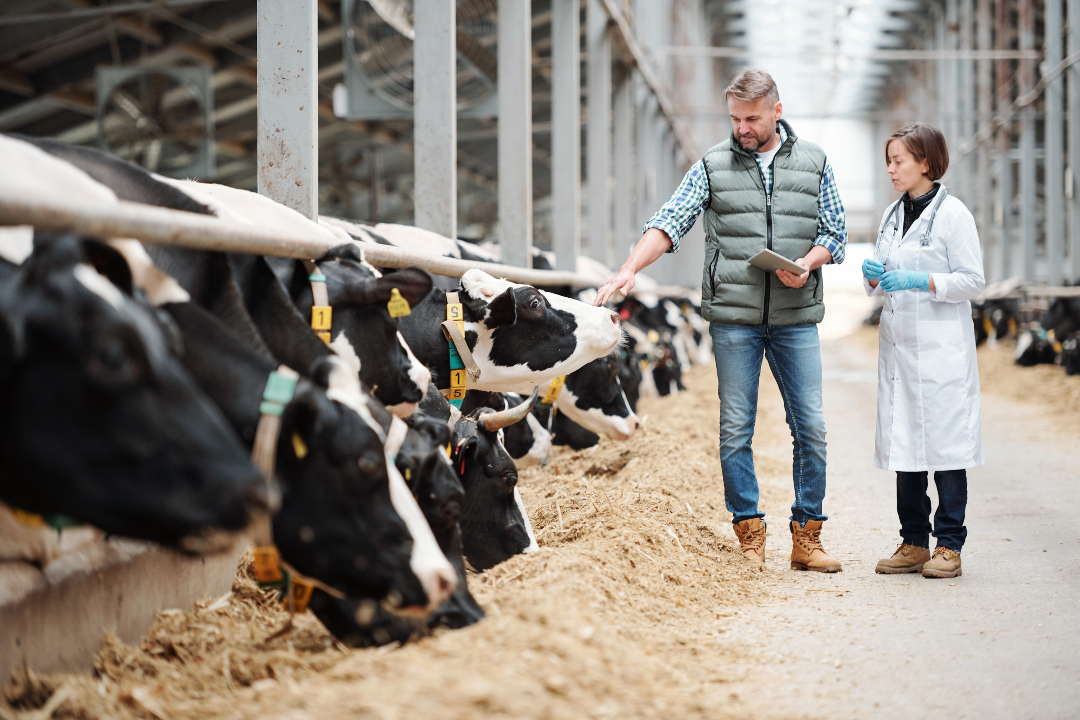
California Dairy Study Raises New Questions About How H5N1 Spreads
On May 8, 2026, researchers detected infectious H5N1 virus in milking parlor air and wastewater systems while also identifying possible subclinical infections in cattle. For months, discussions around H5N1 in dairy cattle have focused largely on infected milk and contaminated milking equipment. New research from California suggests the transmission picture may be far more complex.
In a study published in PLOS Biology, researchers investigating 14 H5N1-positive California dairies found evidence supporting several possible transmission pathways, including aerosols generated during milking and contamination within dairy wastewater systems. The study also identified signs of subclinical infection in some cows, raising new questions about how easily infected animals may be missed during outbreaks.
The findings add to growing evidence that the dairy environment itself may play a larger role in H5N1 transmission than previously recognized. One of the study’s most significant findings came from air sampling inside milking parlors. Researchers collected aerosol samples during milking and detected not only viral RNA, but infectious H5N1 virus in some air samples. Viral material was also identified in exhaled breath collected from infected cattle.
The authors stopped short of concluding that airborne spread is a primary transmission route on dairies. However, the findings raise new questions about respiratory exposure risks in enclosed milking environments. Milking parlors routinely generate aerosols through animal movement, splashing fluids, equipment use and high-pressure cleaning systems. The study suggests those environments may warrant closer attention during outbreak investigations and biosecurity planning.
The findings also have implications for worker safety. Since the U.S. dairy outbreak began, human infections linked to dairy cattle exposure have generally been mild, with conjunctivitis among the most commonly reported symptoms. Aerosol exposure during milking has remained a persistent concern for occupational health experts.
Researchers also detected widespread contamination throughout dairy wastewater systems. H5N1 viral RNA was identified in parlor drains, wastewater sumps, lagoons and reclaimed water systems. Infectious virus was recovered from some wastewater-associated samples as well. This finding may be particularly relevant for modern dairy operations, where reclaimed water is frequently reused for flushing and other management purposes.
The authors noted wastewater systems could create additional opportunities for virus movement within the farm environment through splashing, aerosol generation, contaminated surfaces and possible wildlife exposure. Wild birds have already played a major role in the global spread of H5N1. Contaminated wastewater or standing water could represent another point of interaction between dairies and wildlife populations. The study does not establish wastewater systems as a major driver of transmission. However, it does suggest environmental contamination pathways may deserve more attention as researchers continue investigating how the virus behaves in dairy systems.
Tags:
Source: Farm Journal
Credit: